The International Energy Agency (IEA) has launched a Global Observatory on Energy Sector Resilience, a new data and analysis hub designed to help governments and industry identify risks to energy infrastructure and strengthen protection against potential disruptions.
The initiative,
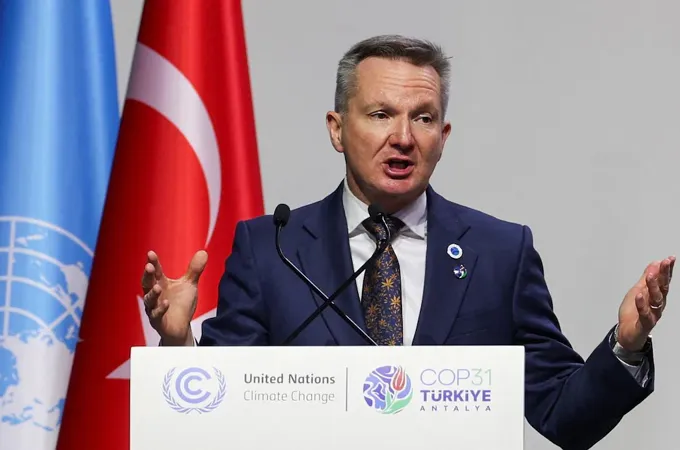
launched in support of the COP31 Presidency’s 35-by-35 Global Electrification
Pledge, initially focuses on power system resilience as countries accelerate
electrification and become increasingly dependent on reliable electricity
supplies.
Since 2022, the IEA
has recorded around 3,000 reported power outages linked to extreme weather and
other natural hazards across more than 150 countries.
These incidents have
left an average of approximately 190 million electricity customers without
power annually.
The Observatory will
expand the agency’s monitoring of energy disruptions, providing more detailed
information on the causes and impacts of outages while gradually extending
coverage across the wider energy sector.
A key feature of the
platform is a global atlas mapping energy infrastructure exposed to natural
hazards, including floods, tropical cyclones and extreme heat.
According to IEA
analysis, around 30% of electricity assets worldwide are exposed to tropical
cyclones of varying intensity, while approximately 20% face extended periods of
extreme heat. More than 10% are located in floodplains.
The initiative also
addresses growing concerns over cyber threats and malicious attacks, alongside
climate-related risks that could undermine energy security and supply
reliability.
“The Global Energy
Resilience Observatory provides a new, comprehensive evidence base to inform
decisions and investment in energy resilience and security,” said Laura Cozzi,
IEA Director of Sustainability, Technology and Outlooks, highlighting the urgency
of preparing energy systems for increasingly complex threats.
To support practical
action, the Observatory's first release includes an inventory of more than 130
resilience measures, supported by case studies and references covering
different infrastructure types and potential hazards.
The measures range
from improved governance and energy system design to physical infrastructure
reinforcement, operational improvements and enhanced monitoring. Some can
address multiple risks simultaneously while improving the overall performance
of energy systems.
The Observatory
follows discussions at the IEA’s October 2025 High-Level Roundtable on
Strengthening Energy Infrastructure Resilience, where ministers and
policymakers called for better data on energy disruptions and closer
international cooperation to prepare for future risks.
The IEA said the platform will evolve as a living resource, expanding its coverage of disruptions, hazards and infrastructure while helping governments and industry prioritise investments and measures to strengthen energy resilience worldwide. -OGN/TradeArabia News Service