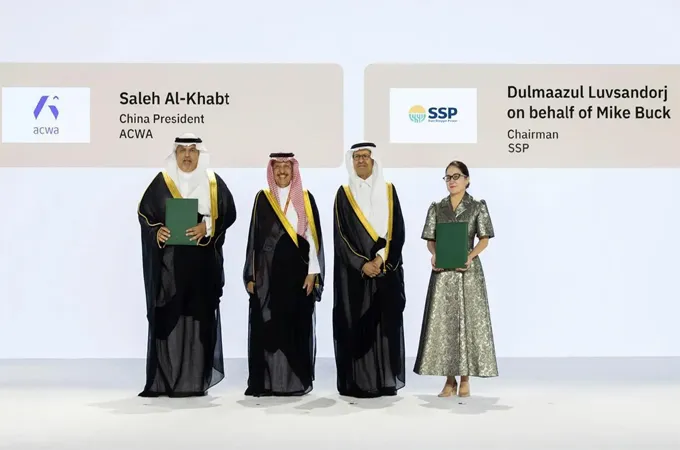
The International Energy Agency (IEA) cut its supply and demand projections for the remainder of the year, expecting world oil supply to average 100.7 mb/d in 2026, down 5.7 mb/d y-o-y in its last report, with a full recovery in supplies from Middle East producers deferred until 2027.
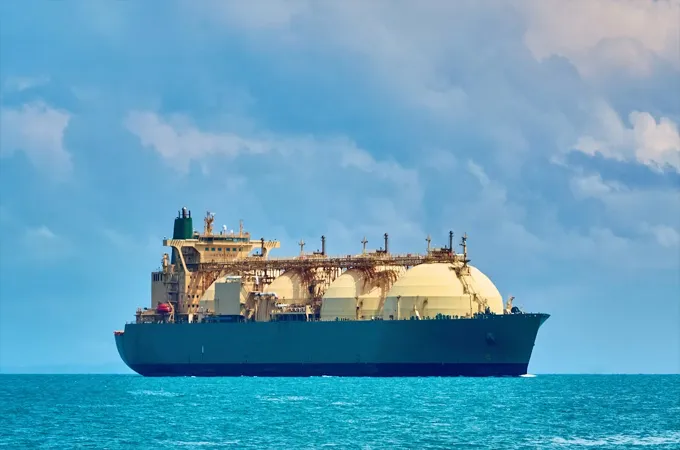
The International Energy Agency (IEA) forecasts global natural gas demand will fall 0.5 per cent in 2026 as Middle East conflict-driven supply disruptions, higher prices and reduced LNG flows through the Strait of Hormuz weigh on consumption.
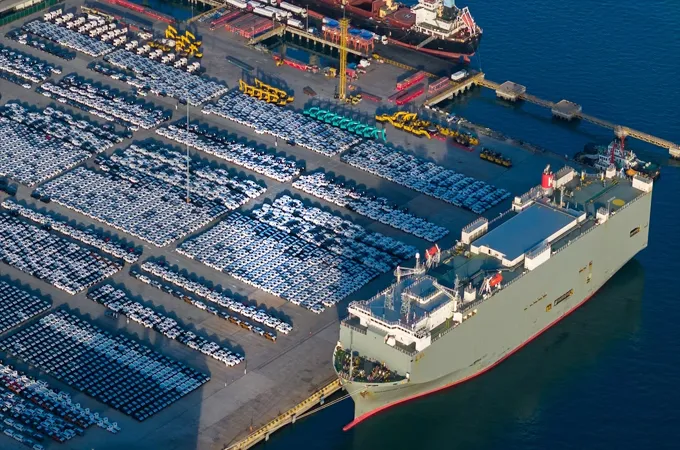
Global electric car sales rebounded strongly in the second quarter of 2026, with growth in markets including Australia, Europe, South Korea and other regions offsetting weaker demand in China and the US, according to a new report from the International Energy Agency (IEA).

The International Energy Agency (IEA) has warned that escalating conflict in the Middle East is increasing risks to global energy security, with threats to the Strait of Hormuz and Bab el-Mandeb Strait fuelling uncertainty over global oil and natural gas supplies.
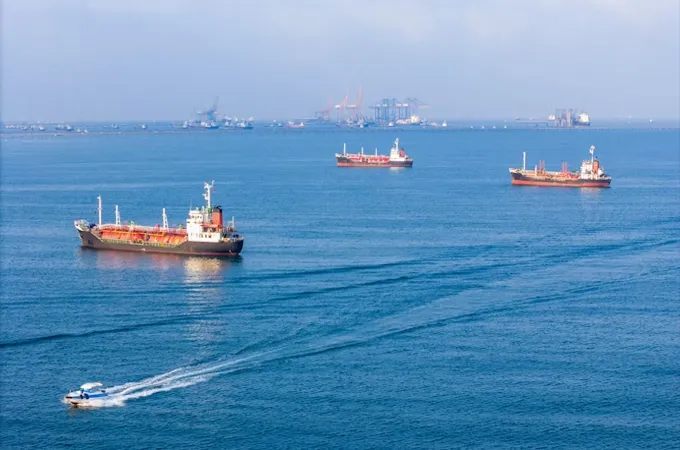
Global energy markets faced their worst supply shock after the near-closure of the Strait of Hormuz cut flows from 20 million to 2.7 million barrels per day, driving record price spikes and prompting emergency stock releases and global supply adjustments, according to International Energy Agency (IEA).
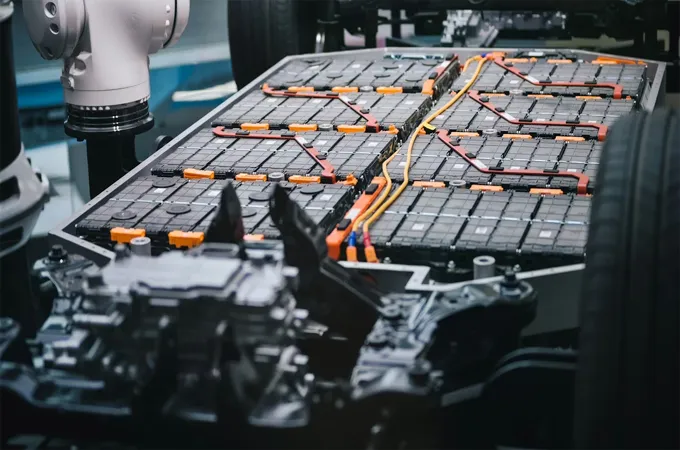
End-of-life batteries are expected to surge from mid-2030s, driving recycling innovation. Patent activity in battery circularity grew 42 per cent annually (2017–2023), far outpacing overall battery manufacturing and global technical fields, according to a study by European Patent Office and International Energy Agency.

Global power demand is set to grow by more than 3.5% per year on average over the rest of this decade, with electricity generation from renewables, natural gas and nuclear all expanding to keep pace, according to a new International Energy Agency (IEA) report.
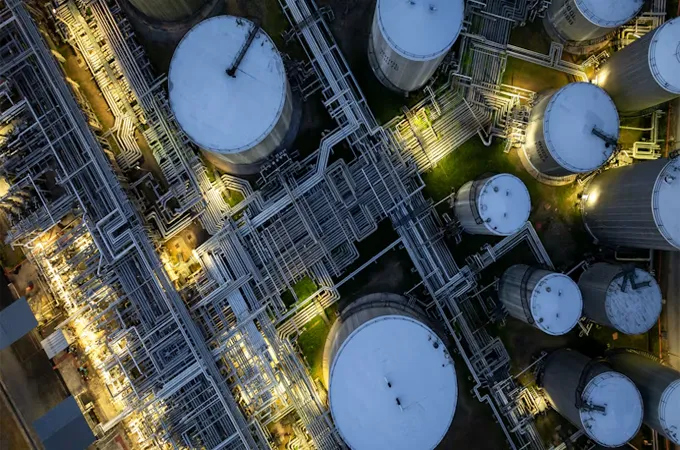
International Energy Agency (IEA) has backed faster releases of emergency oil stocks agreed in March 2026, with members urging completion as soon as possible and prioritising diesel reserves amid tight markets. About 325 million barrels have been released, while another 100 million barrels could reach markets from outstanding commitments.
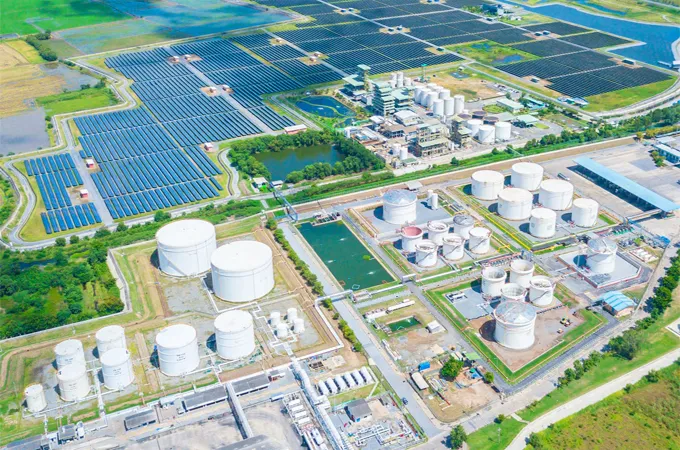
Southeast Asia faces growing energy security risks as rising demand, increased fuel imports and increasingly interconnected energy systems leave the region more exposed to supply disruptions and price volatility, according to a new review by the International Energy Agency (IEA).
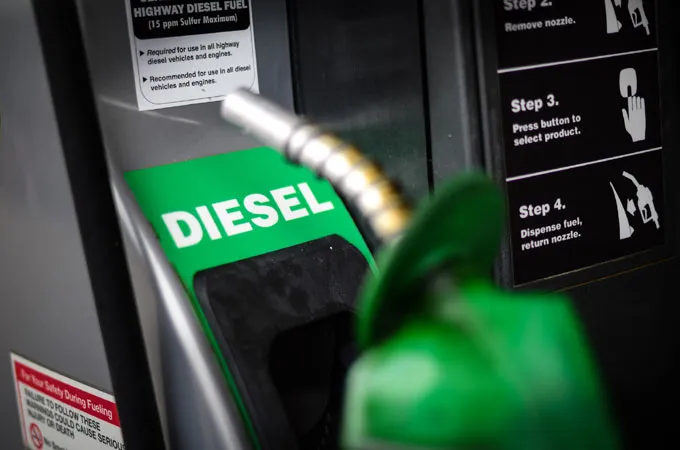
The International Energy Agency (IEA) warned on Wednesday that global diesel supplies will remain tight until 2027. It attributed the shortfall to supply disruptions caused by tensions in the Middle East and declining exports from Russia and parts of Asia.