International tourist arrivals across Organisation for Economic Co-operation and Development (OECD) countries reached a record 847 million in 2025, rising an estimated 3.4% after strong growth of 8.1% in 2024, according to the OECD’s Tourism Trends and Policies 2026 report.
Despite the continued recovery, the organisation warns that
geopolitical tensions, shifting traveller preferences and extreme weather
events are creating growing uncertainty for the global tourism sector.
The report says the conflict in the Middle East has
disrupted international travel, increased costs and weakened traveller
confidence.
Destinations in the region have been hardest hit, along with
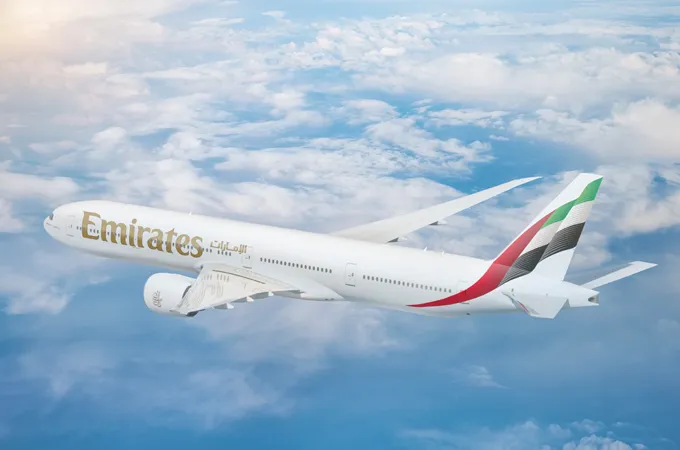
countries that rely on Gulf air connectivity.
The OECD expects these impacts to continue in the near term.
Safety concerns, rising travel costs and fears of
cancellations are prompting many travellers to choose familiar and more
affordable destinations, shorten trips and opt for lower-cost travel options.
The OECD says tourism businesses and destinations will need
to adapt their strategies as airlines and tour operators reshape services for
2027 and beyond.
Performance across OECD countries remains mixed. One-third
of member countries expect tourism to surpass 2025 levels by the end of the
year, with several setting new records.
Finland recorded the strongest growth in inbound arrivals,
up 16.5%, followed by Japan (15.8%), Korea (15.7%) and Norway (12.5%).
Japan and Korea also benefited from strong rebounds in 2024,
supported by improved air connectivity and a weak yen.
However, international arrivals declined in Canada, Germany,
Ireland and the US, while Israel’s tourism sector remains severely affected by
the Middle East conflict, with arrivals still more than 70% below pre-pandemic
levels.
"Tourism continues to grow, generating business opportunities, jobs and tax revenues across the OECD,” OECD Secretary-General Mathias Cormann said. “Governments and businesses need to work together to sustain this growth and build resilience. This means applying the lessons of the pandemic and the conflict in the Middle East to strengthen crisis preparedness, and managing tourism and visitor flows to ensure the sector delivers lasting benefits.” -TradeArabia News Service