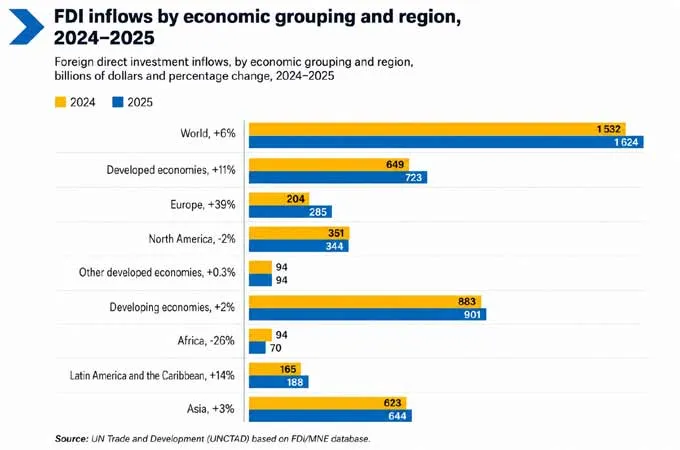
Global foreign direct investment rose 6% to $1.6 trillion in 2025, ending two years of decline, but the recovery remains narrow, fragile and uneven, according to the World Investment Report 2026 by UN Trade and Development (UNCTAD).

Services now account for most of the world’s $2.5 trillion ocean-related trade, overtaking goods and opening new opportunities for developing countries to create value from the ocean while protecting it, says a new UNCTAD study.
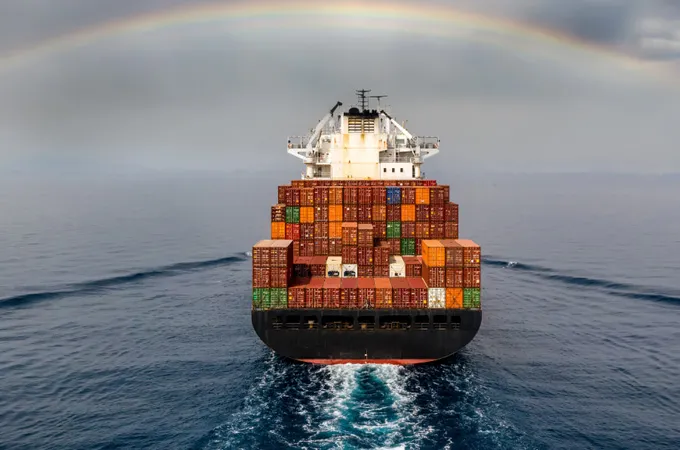
Global trade in ocean-related services rose to $1.44 trillion in 2025, representing 58% of the $2.5 trillion ocean economy and surpassing goods as the dominant segment of ocean trade, according to new data from the United Nations Conference on Trade and Development (UNCTAD).
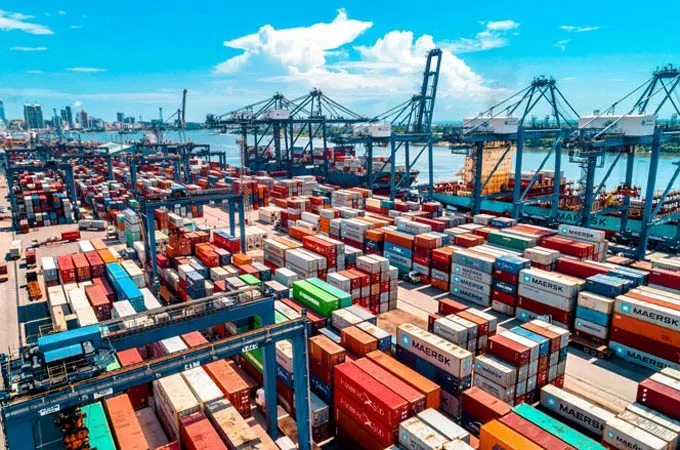
The May edition of the Global Trade Update shows that while tariffs rose sharply in 2025, they have not been the main obstacle to trade over the past decades. The biggest costs now come from non-tariff measures such as technical regulations, health and safety requirements.

Shipping disruptions through the Strait of Hormuz, one of the world’s busiest maritime corridors, are sending ripple effects far beyond the Middle East, threatening energy markets, freight costs and global supply chains, a United Nations Conference on Trade and Development (UNCTAD) study has warned.

Outward foreign direct investment (FDI) flows from the UAE reached $63.353 billion in 2025, as the country's outward FDI stock stood at $402.729 billion at the end of the year, compared with $55.560 billion in 2010.
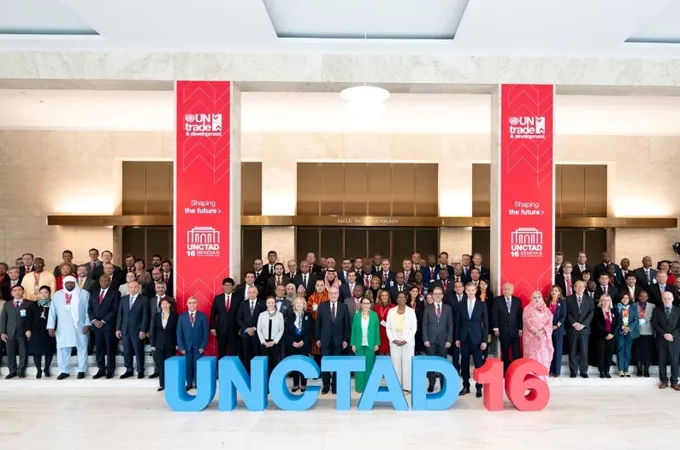
Major shifts – from new trade patterns and resilient services to clean technologies and artificial intelligence – offer a chance to reshape the global economy for greater inclusion and resilience, said UNCTAD Secretary-General Rebeca Grynspan.