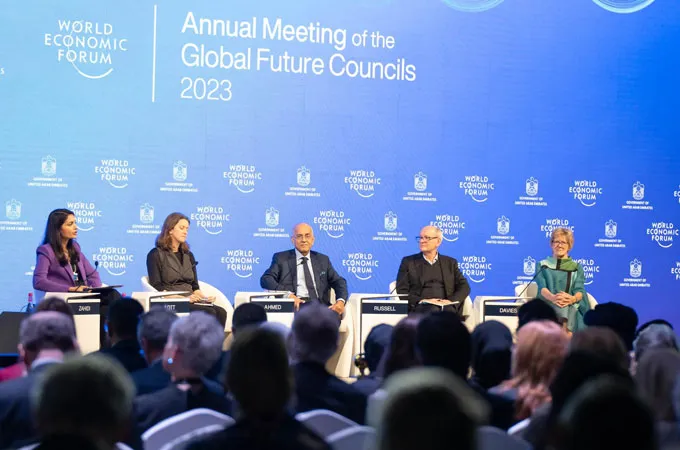
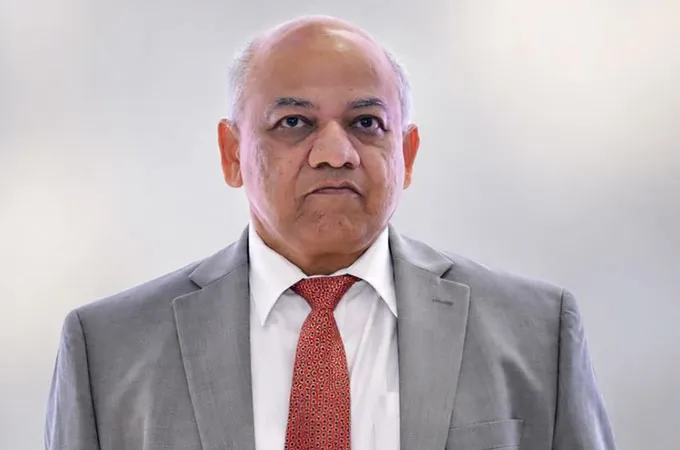
Global oil inventories have depleted to "scarily thin" levels, and rebuilding the world's energy buffers could take up to two years once vital shipping lanes reopen, Saudi Aramco President and CEO Amin Nasser warned Monday.

The eight Opec+ countries—Saudi Arabia, Russia, Iraq, the UAE, Kuwait, Kazakhstan, Algeria, and Oman—will adjust production by 137,000 bpd in November due to a stable global economic outlook and low oil inventories.
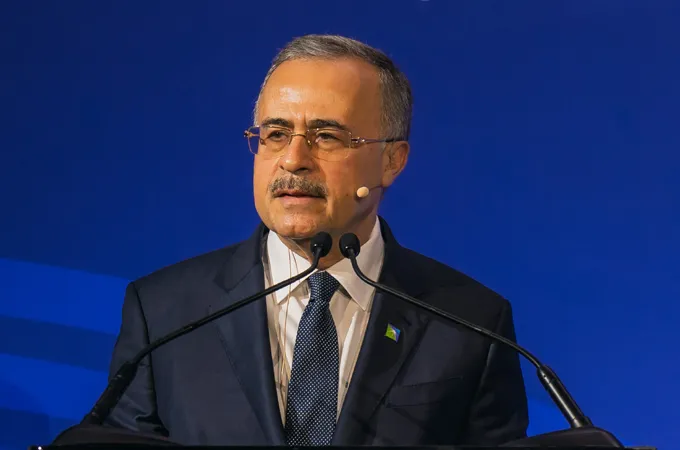
Amin Nasser, Aramco President and CEO, has called for closer coordination among governments, energy suppliers and customers to strengthen global energy resilience and better withstand geopolitical disruptions.

Namibia’s emerging oil and gas industry presents a significant opportunity to transform the country’s economy, but unlocking its full potential will require collaboration, shared growth and a strong commitment to the spirit of Harambee, according to Isabel von Oelhafen, Business Development Manager, NamibiaOilAndGas.com.

Saudi economy is set to remain resilient, underpinned by strong oil-sector infrastructure and continued economic diversification, said a report. Revenues are projected to rise 1% in 2027 to SAR1.2 trillion ($314 billion), compared with the 2026 estimate, while government spending is likely to fall 3%.
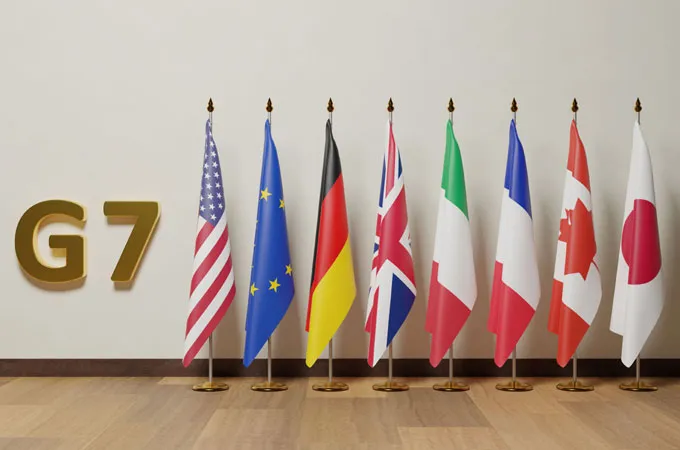
The Group of Seven (G7) will begin a coordinated release of 100 million barrels from emergency oil and diesel stocks through the International Energy Agency (IEA) to support stability in global energy markets, according to a joint statement issued by G7 leaders, published by the office of French President Emmanuel Macron.

The International Energy Agency (IEA) forecast a global oil market oversupply of 4 million barrels per day (bpd) in 2026, citing the recent increase in crude oil supplies from the Middle East and the Americas. It noted that this increasingly underscores the need for market change.

Oil prices have fallen to about $57 per barrel due to a growing imbalance of supply exceeding demand, despite Opec+ increasing production. This decline significantly impacts Mena economies, which heavily rely on oil revenues for their financial stability, according to Mohanad Yakout, Senior Markets Analyst, Scope Markets.
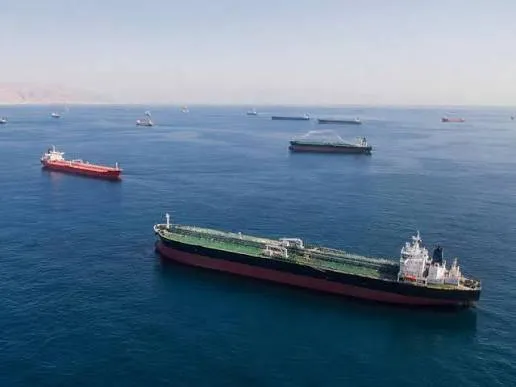
Oil prices jumped more than $4 per barrel at settlement on Thursday after a report said the US was sending additional troops and another aircraft carrier to the Middle East, while China suspended oil product exports, fuelling concerns that global fuel shortages could worsen.
Suriname is becoming a significant player in global energy, with major offshore oil discoveries and recoverable resources of 2.4 billion barrels of oil equivalent and 12.5 trillion cubic feet of natural gas. Rapid exploration is expected, with production anticipated between 2025 and 2027.