Crude oil prices surged for a fourth consecutive session on Wednesday, with Brent approaching the psychologically important $100-a-barrel threshold as a fresh escalation in the US-Iran conflict heightened fears of prolonged disruptions to oil supplies from the Gulf.

Kistos has received confirmation of a Royal Decree from Oman, completing the transfer of legal ownership of onshore Blocks 3 and 4 from Mitsui E&P Middle East to the independent energy company.
Oil prices were heading for their strongest weekly gain since mid-July on Friday as renewed fighting between the United States and Iran heightened concerns over disruptions to Middle East energy supplies.
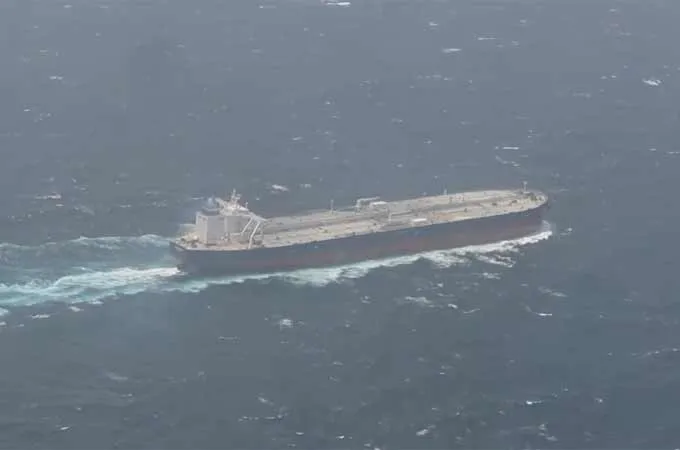
Brent crude held above $103 a barrel early Wednesday as a sharp recovery in oil flows through the Strait of Hormuz offered some relief to a market still grappling with the effects of the prolonged Iran conflict and uncertainty over the waterway's future.

Chevron has reached new agreements with Venezuela covering its joint ventures, unlocking plans for more than $7 billion in investment over five years and production growth to about 600,000 barrels per day, supported by additional Orinoco Belt acreage and lower costs.

Brent crude hovered around $107 a barrel on Tuesday, extending gains as uncertainty over the US-Iran conflict and the future of the Strait of Hormuz continued to keep a substantial risk premium in oil markets.
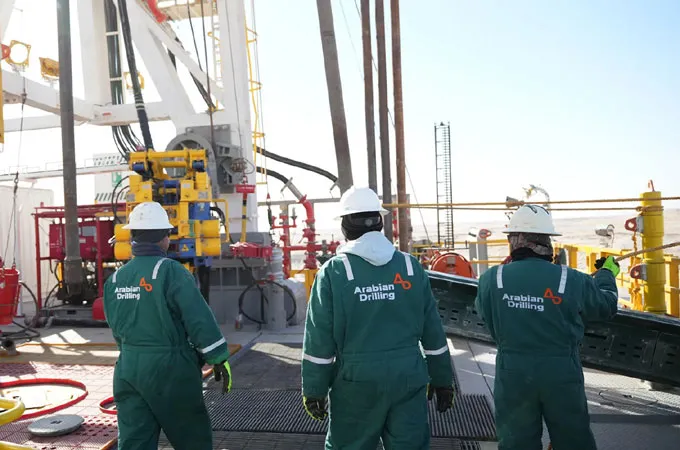
Arabian Drilling, a leading Saudi oil and gas drilling contractor, said it has signed a SAR2 billion ($528 million) deal with Khafji Joint Operations (KJO) to provide four high-specification offshore jack-up drilling rigs. This four-year contract is the largest single offshore drilling award KJO has made to Arabian Drilling.

The offshore drone industry is advancing quickly, with UAVs increasingly capable of handling inspection, monitoring, and logistics missions miles from shore. That expanding capability is driving growing investment in the technology.

The value of the European Union’s petroleum oil imports surged 55.8 per cent in the second quarter of 2026, while volumes remained broadly stable, rising 1.2 per cent to a monthly average of 36.7 million tonnes, according to Eurostat.

South Korea plans to reduce its reliance on Middle Eastern crude oil to 50 per cent by 2035, as Seoul seeks to diversify energy supplies following regional disruptions. The government’s 10-year resource security plan calls for a major transformation of supply chains.