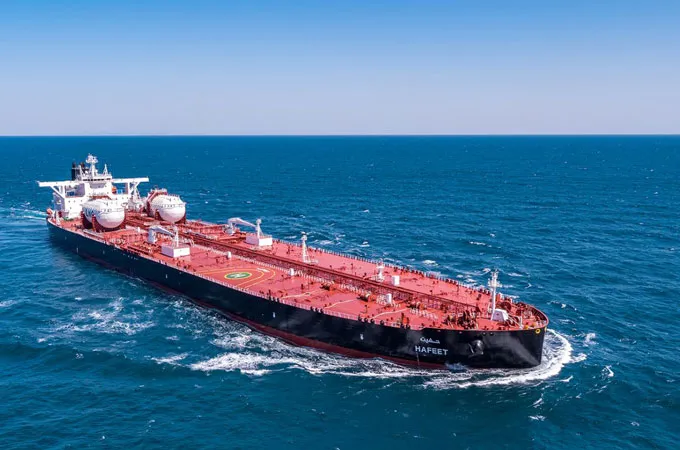
Abu Dhabi National Oil Company (ADNOC) has announced that one of its vessels was targeted by a missile today while transiting the Strait of Hormuz early on Saturday (August 8). The incident resulted in no injuries, and the situation has been brought under control, said ADNOC in a statement.

The UAE joined the trade ministers from the BRICS group as they met in India to discuss ways to strengthen the multilateral trading system, improving trade resilience and market connectivity, as well as supporting SMEs amid growing challenges to global commerce owing to Strait of Hormuz shutdown.
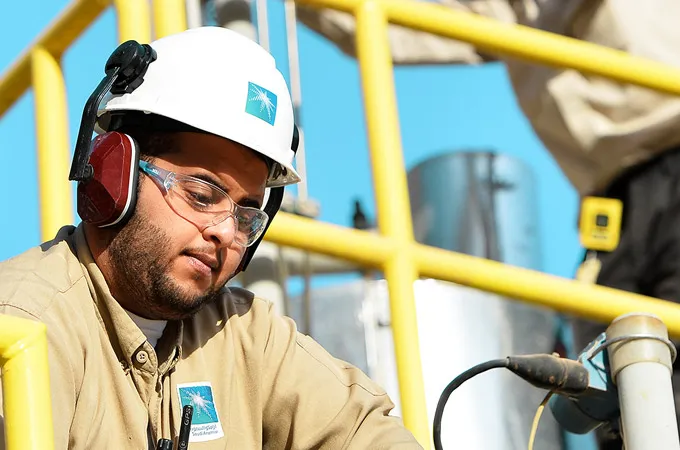
Saudi Aramco reported a strong financial performance for the first half of 2026, posting adjusted net income of $67.2 billion, as the world's largest oil producer maintained crude supplies despite unprecedented disruptions to shipping through the Strait of Hormuz.

Oil prices remained near their highest level in more than three weeks on Friday as the deadlock over the Strait of Hormuz and a sharp escalation in US economic pressure on Iran raised fresh concerns about global energy supplies.

US President Donald Trump has threatened to impose sweeping economic punishment on any country that provides a “lifeline” to Iran, escalating pressure on Tehran as the confrontation over the strategically vital Strait of Hormuz enters a critical phase and diplomatic efforts to end the nearly six-month-old war appear increasingly uncertain.

Shipping through the Strait of Hormuz slowed to a near standstill over the weekend following attacks on tankers, underscoring the growing risks to one of the world's most important energy routes, even as oil prices remained relatively steady amid the lack of progress in US-Iran peace talks.
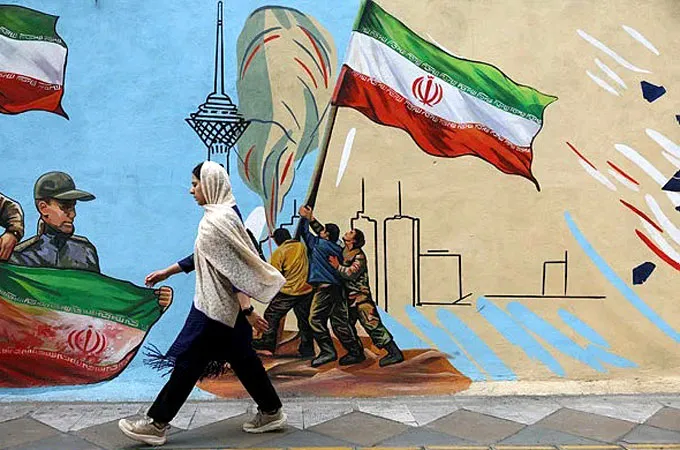
Iran called on the US to accept defeat while President Donald Trump blasted Tehran as 'very evil' and told Americans to brace for continued high fuel prices as progress toward peace talks and oil tanker traffic through the strategic Strait of Hormuz gateway remained halted, said a report.
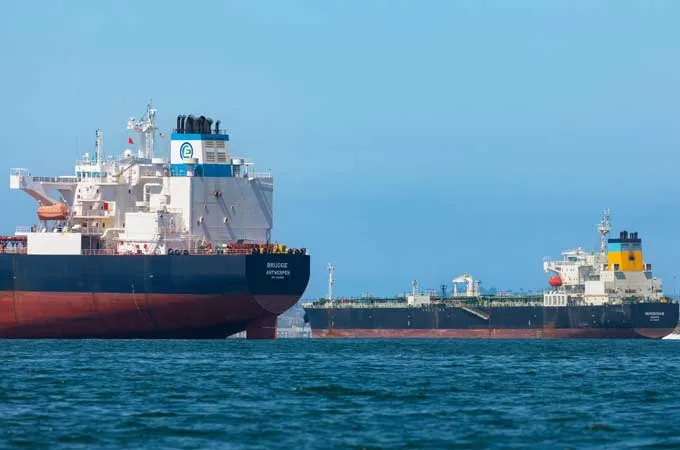
Bulk carriers carrying elemental sulphur cargoes in the Strait of Hormuz are at significant risk of accelerated structural corrosion, with some vessels having remained at anchorage for more than three times the standard cargo protection period, according to a leading marine consultancy expert.
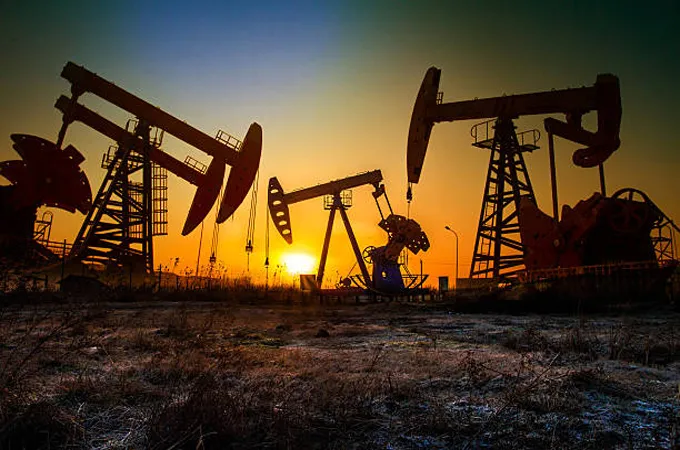
Oil prices rose more than 4% at settlement on Friday, hitting their highest levels in over a month amid the ongoing Middle East conflict. Brent Crude futures surged by $3.87 (4.59%) to settle at $88.10 a barrel, while US West Texas Intermediate futures surged by 4.48% to $82.49.
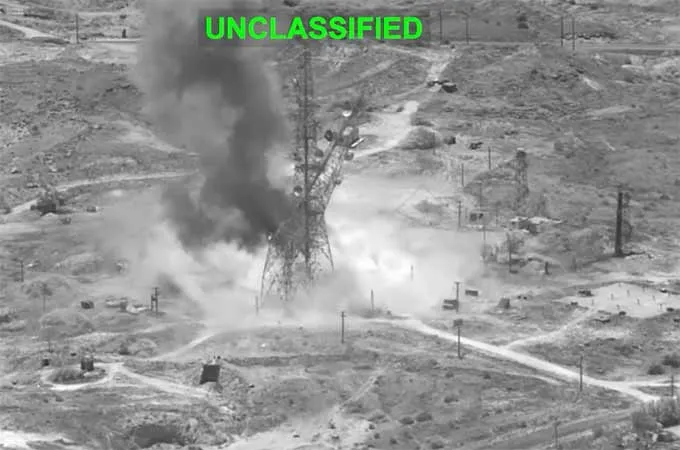
The United States launched fresh waves of air strikes against Iran on Wednesday, targeting military infrastructure linked to Tehran's ability to threaten shipping in the Strait of Hormuz, while Iran retaliated with attacks on US military sites across the region, pushing the Gulf closer to a broader conflict.