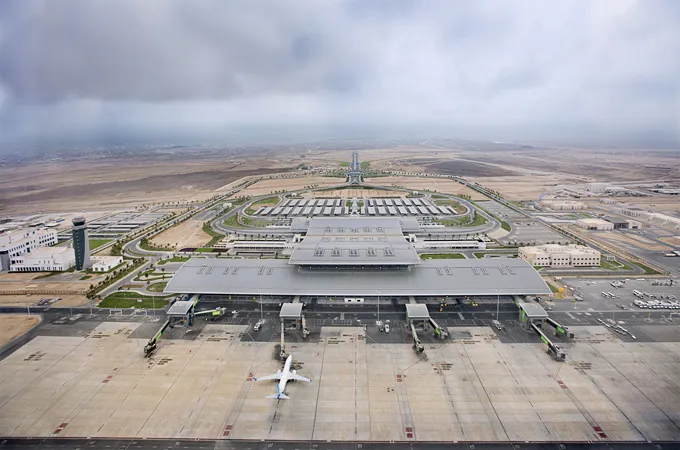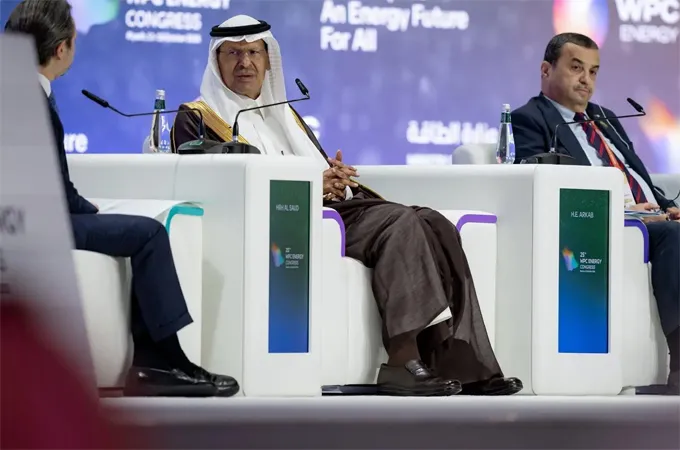
Bahrain chaired a virtual GCC tourism meeting focused on strengthening regional cooperation and advancing joint tourism initiatives. Discussions covered promotion and marketing, tourism data, a unified guide licence, the Gulf Tourism Capital initiative, international cooperation, joint events and hotel classification.
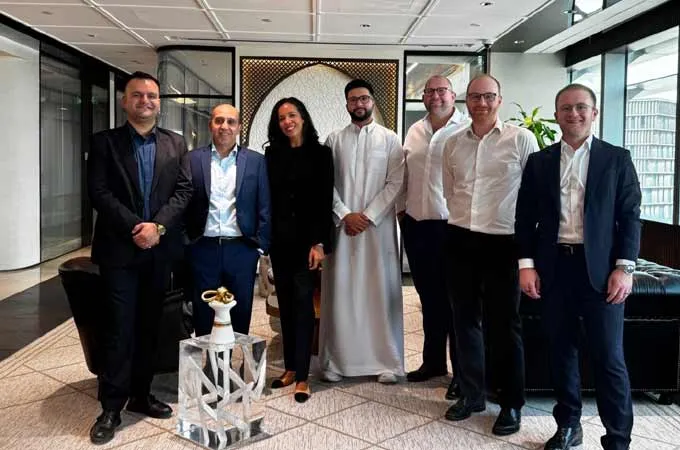
Alpha FMC, a leading global consultancy to the financial services industry, has expanded its presence across the Gulf Cooperation Council (GCC) with the opening of a new office in King Abdullah Financial District (KAFD), Riyadh, strengthening its regional footprint and providing a dedicated base for its growing team in the Kingdom.

Tourist arrivals to Mauritius from the Middle East increased by approximately 10.5% between January and July 2026 compared with the same period in 2025, as the Mauritius Tourism Promotion Authority (MTPA) prepares to target further growth across the GCC at Arabian Travel Market (ATM) 2026.

The total number of active fleet management systems deployed in commercial vehicle fleets in the countries is forecasted to grow at a compound annual growth rate (CAGR) of 14.4% from about 6.4 million units at the end of 2025 to reach 12.5 million units by 2030, said a report.
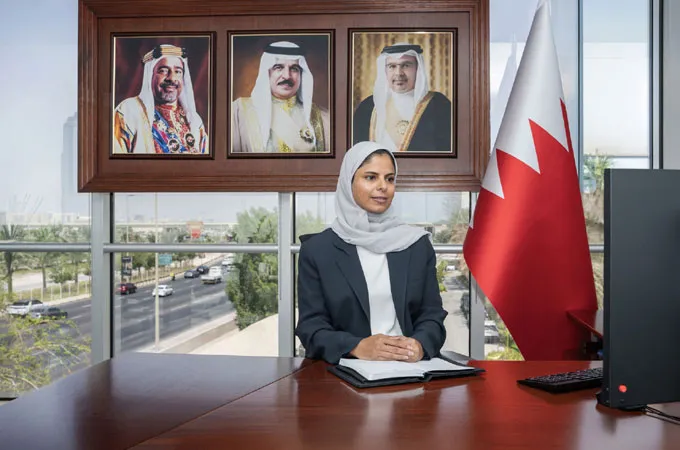
GCC central bank officials reviewed regional efforts to combat money laundering and terrorist financing at a key meeting held in Bahrain where they also discussed ways to boost regional financial systems, including co-operation on payment infrastructure, banking supervision and cybersecurity.
Companies listed on GCC exchanges reported aggregate net profits of $74.8 billion in Q2, up 31.3% over previous year. At the country level, the profit growth was led by Kuwait, Saudi Arabia, UAE and Oman, where firms posted double-digit y-o-y increases, according to Kamco Invest.
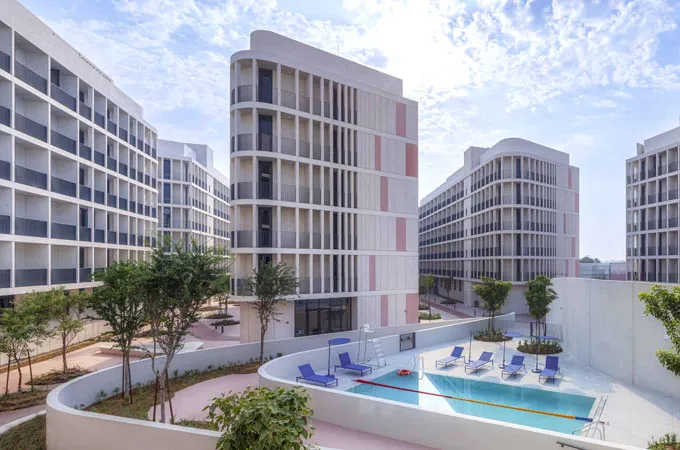
Student accommodation and senior living are key to shaping the GCC’s real estate sector over the next decade - in addition to other concepts like serviced living, co-living, private clubs and shared ownership, according to leading real estate advisory and property consultancy, Cavendish Maxwell.

Abu Dhabi’s private aviation demand is surging as the emirate strengthens its role as a regional business hub, with flight requests up 59.5% year-on-year and flights rising 140%. Requests on the Abu Dhabi-Riyadh route jumped 450%, according to XO data.
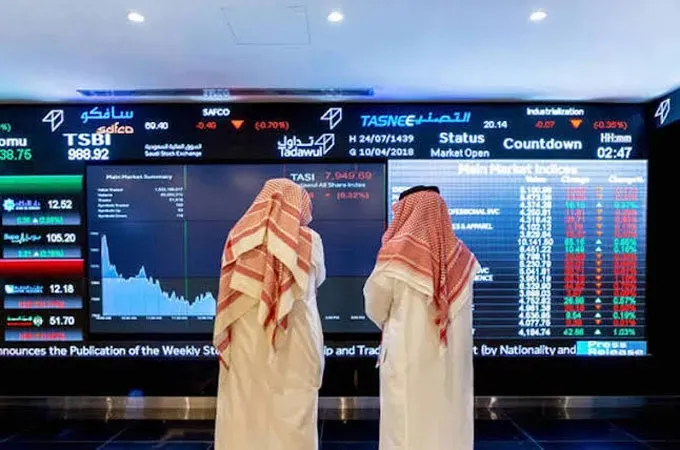
GCC capital markets have witnessed significant development in recent years, driven by governments’ efforts to diversify funding sources and deepen capital markets, said top rating agency Fitch, adding the combined market capitalisation of listed equity markets across the Gulf region stands at around $4 trillion.

Gulf Cryo, a Middle Eastern provider of liquid carbon dioxide (CO₂), is set to significantly expand its regional production capacity from 700 metric tonnes per day (MTPD) to 1,300 MTPD by the end of 2026, equivalent to more than 470,000 tonnes annually.