
Oil prices extended gains on Wednesday as fears of a prolonged disruption to energy supplies through the Strait of Hormuz intensified following the United States' reimposition of a naval blockade on Iranian ports and fresh threats from Iran's Islamic Revolutionary Guard Corps (IRGC) to shut down regional oil and gas exports.

Oil prices jumped sharply at the start of Asian trading on Monday after the United States launched a second consecutive night of strikes on Iranian military targets and Tehran retaliated with fresh attacks, heightening fears of disruption to crude shipments through the Strait of Hormuz, the world's most important oil transit chokepoint.

Oil prices edged higher on Monday after fresh exchanges of fire between the US and Iran renewed concerns over the security of shipping through the Strait of Hormuz, highlighting the fragility of an interim peace agreement reached earlier this month.
OPEC+ oil-producing countries will likely agree a further hike in their output target for July when they meet on Sunday, Reuters said quoting three sources.

Oil prices declined further on Thursday, following the release of the text of the interim agreement signed by the US and Iran.

Oil prices further declined on Wednesday, extending the previous session's losses following the US-Iran interim peace deal which is expected to allow free passage for vessels through Strait of Hormuz.
Oil prices extended their decline on Tuesday, although they initially staged a modest recovery after plunging nearly 5% in the previous session following reports of a breakthrough agreement between the United States and Iran.
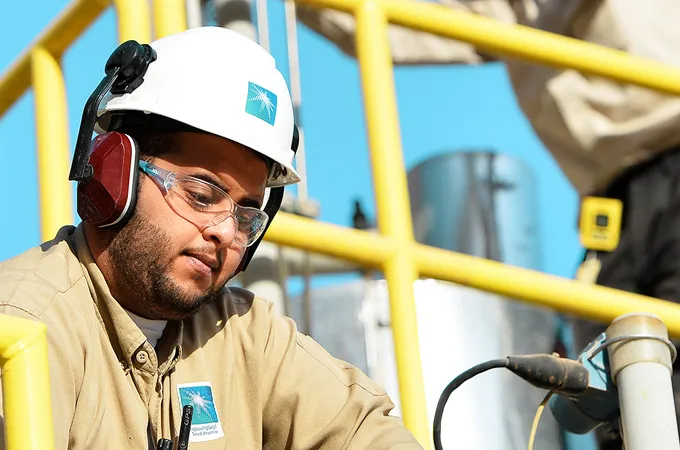
Saudi Arabia's oil sector is poised for a strong recovery next year as export routes gradually normalise and crude production returns to pre-disruption levels, according to Riyad Capital, which forecasts oil-sector growth of 14.3% in 2027.
Seven OPEC+ countries will raise oil output targets by 188,000 barrels per day in June, the third consecutive monthly increase, OPEC+ said in a statement.

The UAE's energy major ADNOC has announced two strategic collaboration agreements with Indian partners, reinforcing the strong and expanding UAE‑India energy partnership.