
Chedi Hospitality has appointed Tristan Delmas as General Manager of Chedi Wadi Safar, the upcoming ultra-luxury property in Diriyah’s Wadi Safar destination, located near the UNESCO World Heritage Site of At-Turaif and about 15 minutes from central Riyadh.

Eurogulf Mobility Group (EGMG), a UAE-based integrated mobility group, showcased new mobility solutions, technology-enabled customer services and strategic partnerships at Arabian Travel Market (ATM) 2026, held from September 14 to 17 at Dubai World Trade Centre.

The European Union recorded more than 2 million commercial flights between June and August 2026, reflecting continued growth in air traffic, according to Eurostat.
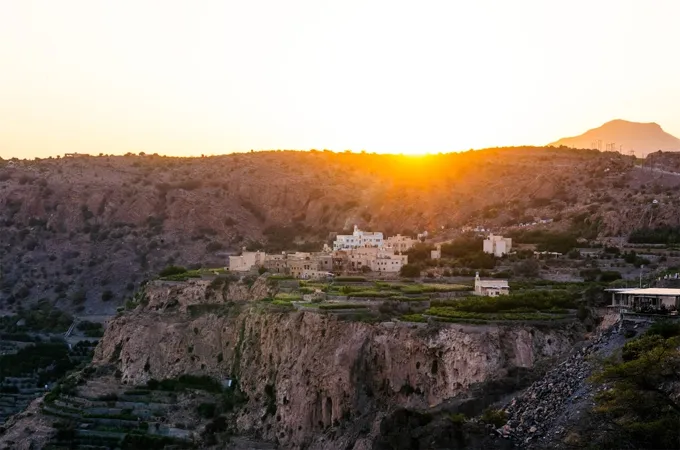
Al Jabal Al Akhdar is stepping up tourism preparations after being named Capital of Gulf Tourism for 2027, as visitor numbers and hotel revenues grow. The wilayat welcomed 101,608 visitors in the first half of 2026.

Real American Freestyle (RAF) has signed a five-year partnership with the Department of Culture and Tourism – Abu Dhabi (DCT Abu Dhabi) and the UAE Wrestling Federation to bring RAF events to Abu Dhabi.
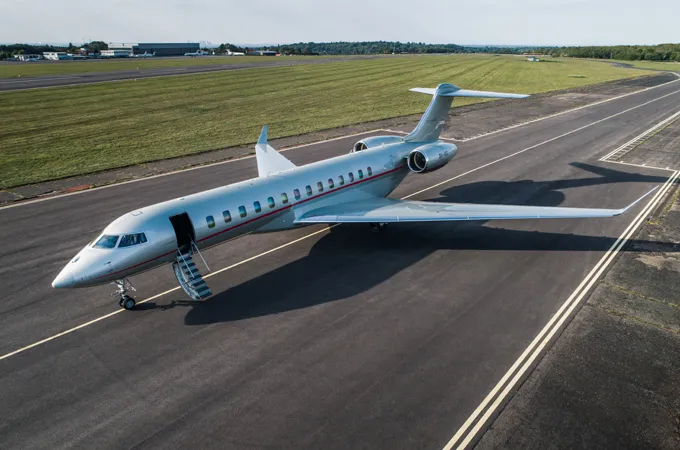
Dubai-based Vista, the world’s leading private aviation Group, said its latest Member flight data points to a new phase in UAE–India executive mobility, with business travel expanding beyond traditional financial centres to India’s growing industrial, technology and commercial hubs.

Al Bustan Centre & Residence concluded its participation at Arabian Travel Market (ATM) 2026, using the industry event to strengthen relationships with travel partners and explore new business opportunities across the GCC, Europe, CIS, Asia and other international markets.

Hong Kong is intensifying efforts to boost tourism and attract major sports and cultural events, with the sectors highlighted as priorities under the city’s 2026-2030 development plan and latest Policy Address.

The Sri Lanka Tourism Promotion Bureau (SLTPB) has unveiled a new growth strategy at the Arabian Travel Market (ATM), targeting 3 million international tourists within the next 12 months.

Oman Air has launched its latest Global Sale, offering fares from OMR 35 ($91) across its global route network until October 1, 2026.