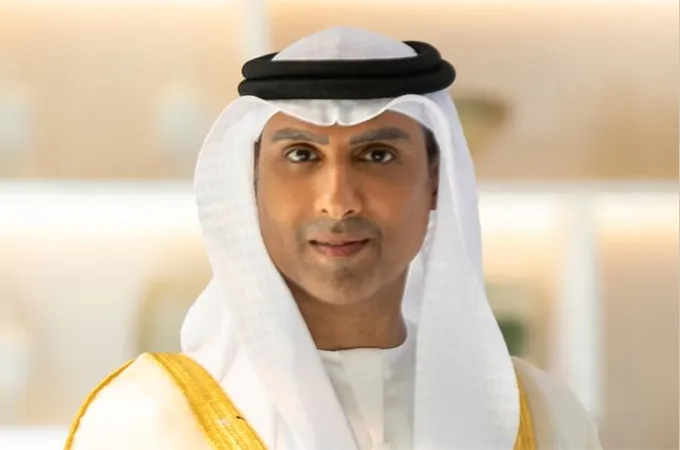
The UAE’s tourism success is built on strategic investment, diverse visitor markets and a hospitality sector that continues to evolve amid intensifying competition. In exclusive interview, TTN speaks with Sheikh Mohammed bin Faisal bin Sultan Al Qassimi, Chairman of Hospitality Management Holding (HMH), about the foundations of the country’s tourism growth, the complementary strengths of its emirates, the impact of major events and destination-led developments, and the investment strategies needed to sustain long-term competitiveness and resilience.
Looking back at the UAE’s transformation into one
of the world’s leading tourism and hospitality markets, what do you believe has
been the key to the sector’s remarkable resilience and sustained growth?
The UAE’s tourism story is
fundamentally a story of strategic vision, consistency and execution. What
distinguishes the UAE’s approach is that tourism has never been viewed in
isolation. It has been developed as an integral part of the country’s broader economic
strategy, with clear links to infrastructure, aviation, trade, investment and
urban development.
A successful tourism
ecosystem cannot be built through individual projects alone. It requires an environment in
which connectivity, infrastructure, regulation, hospitality standards and the
visitor experience reinforce one another. The UAE has invested in these
foundations over time, creating the conditions for tourism to develop into a
significant contributor to economic activity.
Another important lesson is
the value of continuity. Tourism infrastructure and destination development
require substantial capital, careful planning and a willingness to invest
beyond immediate market cycles. Maintaining that commitment allows a destination
to build capacity, attract private investment and respond more effectively as
international travel patterns evolve.
The UAE’s experience
demonstrates that sustainable tourism development is not simply about
attracting more visitors. It is about building infrastructure, institutions and
experiences that enable a destination to remain relevant, generate economic
value and adapt to changing circumstances.
HMH’s continued participation in Arabian Travel Market, marking our 16th consecutive year at the event in 2026, reflects our long-standing engagement with the regional tourism industry. From our perspective, the sector’s future will depend on combining an authentic sense of place and genuine hospitality with sound investment decisions and the operational discipline to deliver consistently high standards.
The
UAE has built a highly diversified tourism ecosystem, ranging from leisure and
business travel to events, exhibitions, luxury tourism and long-stay
hospitality. How important has this diversity been in strengthening the
resilience of the hotel market?
The breadth of the UAE’s tourism economy gives its
hospitality sector greater depth and balance. Its value lies not simply in the number of
tourism segments available, but in the way these diverse
sources of demand complement one another, creating a stronger and more
resilient foundation for the industry.
A hospitality sector that
relies heavily on one visitor profile, one source market or one type of travel
is naturally more exposed to changes in those areas. A diversified tourism
economy distributes that exposure across different markets, travel purposes and
spending patterns. This creates greater flexibility for destinations, hotel
operators and investors.
There is also an important
investment dimension. A diversified tourism base supports a wider range of
hospitality products and business models, allowing capital to serve different
guest needs and market conditions. It can also help sustain activity across
different periods of the year, making the overall ecosystem less dependent on a
single demand cycle.
The opportunity for
operators is to understand how these sources of demand interact, rather than
treating them as separate markets. Business travel, leisure and extended stays
can complement one another, while the needs of different visitor groups can create
opportunities for hotels to strengthen their offerings,
optimise their assets and respond more effectively to demand.
Diversification, therefore, creates a more balanced hospitality economy, where complementary segments can reinforce one another and enable businesses to navigate changing conditions with greater resilience.
Dubai and Abu Dhabi have developed into globally
recognised hospitality destinations. From your perspective, what are the
fundamental strengths that continue to differentiate the UAE from other
international markets?
One of the UAE’s
distinctive strengths is that it offers multiple complementary destinations
within one country, each with its own identity, character and tourism
proposition.
Dubai has developed a
strong international presence across business, leisure, entertainment and
retail. Abu Dhabi brings together culture, heritage, arts and premium leisure.
The northern emirates contribute further diversity through their natural
landscapes, heritage and distinctive visitor experiences. Each has its own
appeal, while collectively they add depth and
variety to the UAE’s tourism offering.
From a strategic perspective, this
creates significant value. Visitors can experience different destinations,
activities and environments within one country, while the emirates can continue
to strengthen their individual identities and appeal to audiences aligned with
their respective strengths. The result is a tourism offering with
both depth and variety.
This complementary
relationship also creates opportunities across the wider economy. Connectivity
between the emirates can encourage visitors to explore beyond their initial
destination, support additional stays and extend the
economic value of tourism infrastructure and investment.
The UAE’s appeal is therefore not defined by a single attraction or destination. Its strength lies in the combination of distinct emirate identities, connected infrastructure and a sustained commitment to creating compelling reasons for visitors to explore more of the country.
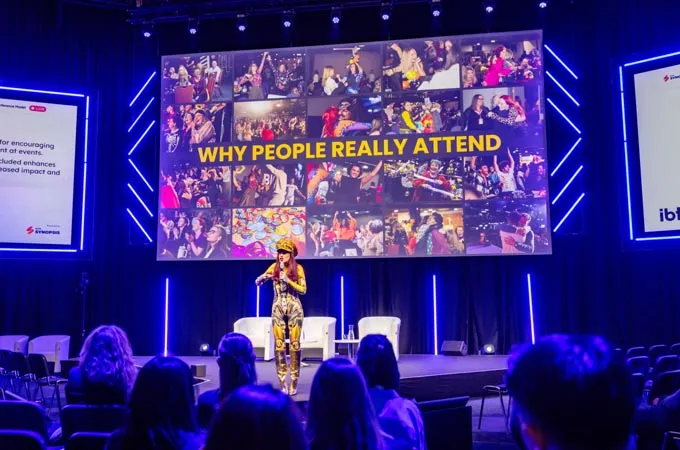
Major
events, exhibitions, conferences and destination-led developments have become
an increasingly important part of the UAE’s tourism economy. How significant
are these demand drivers in supporting hotel performance and creating market
resilience?
The economic value of major
events and destination-led developments extends well beyond the visitors they
attract. Their significance lies in their ability to
stimulate activity across interconnected sectors and generate economic
opportunities that endure well beyond the event itself.
A major exhibition or international conference can
bring visitors into the country, support hotel occupancy and generate spending
across restaurants, retail, transport and entertainment. It can also strengthen
aviation demand and introduce visitors to destinations they may not otherwise
have considered, creating additional economic impact across the
country.
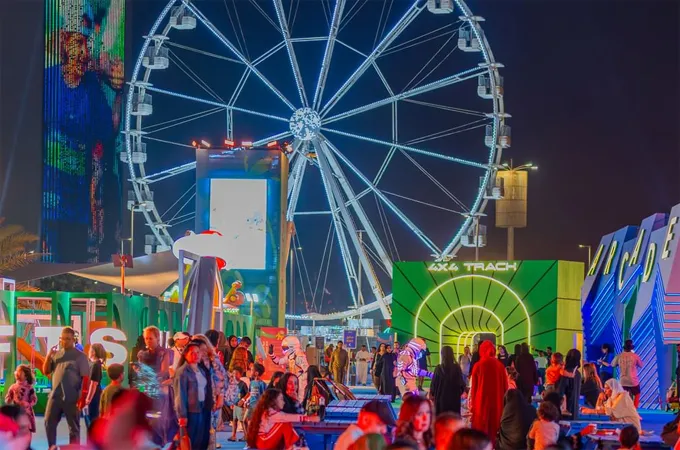
Destination-led
developments play a complementary role. By creating new attractions, cultural
experiences and leisure offerings, they can broaden the reasons to visit the
UAE and encourage people to explore beyond established destinations. When these
experiences lead to repeat visits or longer stays, their contribution can extend well beyond the initial investment and opening period.
Within hospitality, the impact is reflected across
multiple revenue streams, including accommodation, food and beverage, meetings
and events, and other guest services. However, the broader significance extends
beyond hotel performance to the economic activity generated around each
property and throughout its surrounding ecosystem.
From an investment
perspective, events and destination development can help strengthen the
relationship between infrastructure, visitor spending and private-sector
activity. Their lasting value depends on how effectively they integrate with the wider tourism offering, encourage repeat visitation
and stimulate spending across different parts of the economy.
The real measure of success
is not simply how many people attend an event or visit a new attraction. It is the extent to which that initial interest translates into
sustained engagement with the destination, repeat visitation and economic
activity across the sectors connected to tourism.
From an investment perspective, the lasting value of events and destination development depends on how effectively they integrate with the wider tourism offering, encourage repeat visitation and stimulate spending across different parts of the economy.
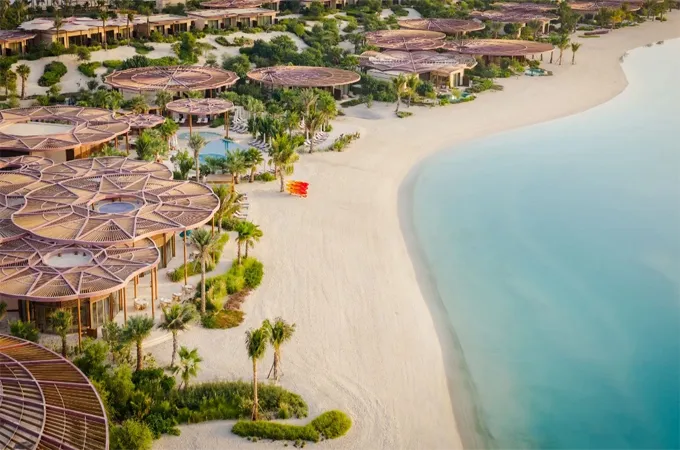
The
UAE hospitality sector is becoming increasingly competitive, with continuous
investment in hotels, resorts, branded residences and new concepts. What
distinguishes a hospitality company capable of sustainable long-term growth
from one that is simply chasing market trends?
The difference ultimately
comes down to discipline. Sustainable hospitality operators understand that
growth is not about being first to follow every new trend, but about identifying which changes have the potential to create enduring value
for guests, owners and the organisation.
That requires a deep
understanding of the market, disciplined investment and a continued focus on
the fundamentals, even as the industry evolves. Technology and new concepts
have an important role to play, but they should enhance the
guest experience rather than displace the essentials of hospitality: service,
consistency, value and attention to detail.
At HMH, we apply this philosophy by combining
commercial discipline with operational excellence, regional market knowledge
and continued investment in our people. We look for opportunities grounded in
sustainable returns and a clear investment rationale, rather than simply
following prevailing market trends.
In an increasingly
competitive environment, the ability to distinguish lasting value from
temporary momentum becomes particularly important. Investment decisions must be
grounded in a clear understanding of the asset, its location, its intended
audience and the operating model required to deliver consistent performance.
Innovation and sound
fundamentals are not competing priorities. New concepts and technologies can
create value when they address genuine guest needs and strengthen the
underlying business. The same principle applies to expansion: growth should be
guided by a clear strategic and investment rationale, rather than by
opportunity alone.
The objective is to build enduring value by
remaining relevant to evolving guest expectations, staying attuned to changing
market conditions and investing with purpose, while maintaining uncompromising
standards in execution. -TradeArabia News Service