Global electricity demand is expected to accelerate in 2026 and 2027 despite ongoing volatility in energy markets, driven by rising consumption from industry, cooling systems, electric vehicles, appliances and expanding data centre capacity, according to the International Energy Agency’s (IEA) latest Electricity Mid-Year Update.
The IEA forecasts global electricity demand will grow by 3.6
per cent in 2026 and 3.8 per cent in 2027, following 3 per cent growth in 2025.
Global electricity consumption is projected to reach 30,700
terawatt-hours (TWh) by 2027, up from 28,600 TWh in 2025, reflecting continued
electrification across major economies.
The outlook comes as global power markets face disruption
from recent LNG supply constraints linked to instability in the Middle East.
Disruptions to liquefied natural gas flows through the
Strait of Hormuz pushed natural gas prices in Asia and Europe to their highest
levels since the 2022-23 energy crisis, increasing power generation costs and
prompting some regions to introduce emergency measures to reduce energy
consumption.
However, electricity systems have largely managed the
impact, supported by additional LNG supplies, particularly from North America.
Higher gas prices have led several Asian and European
markets to increase coal-fired generation, while the continued expansion of
renewable energy has helped diversify electricity supply and improve energy
security.
Renewables are expected to become the world’s largest source
of electricity generation in 2026, overtaking coal after reaching near parity
in 2025.
Renewable power output is forecast to increase by more than
8 per cent in 2026, raising its share of global electricity generation from 33
per cent in 2025 to 37 per cent by 2027.
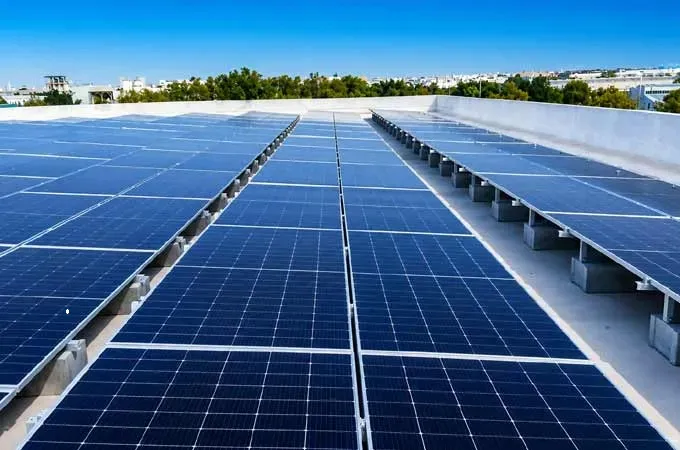
Solar photovoltaic (PV) technology remains the main driver
of renewable growth. Solar generation is expected to increase by around 600 TWh
in 2026, matching its record annual expansion in 2025.
The growth will allow solar PV to overtake wind power in
2026 and become the world’s second-largest renewable electricity source after
hydropower.
Electricity demand growth will remain strong across major
economies.
China’s electricity consumption is expected to rise by 5.5
per cent in 2026, supported by manufacturing activity and increasing electric
vehicle charging demand. India’s electricity demand is forecast to rebound by 7
per cent following weaker growth in 2025 due to weather-related factors.
In advanced economies, electricity consumption is projected
to expand by nearly 2 per cent in both the United States and the European
Union.
However, higher fuel costs and supply challenges are
expected to weigh on demand in some LNG-importing Asian markets, including
Pakistan and Bangladesh.
The IEA warned that weather conditions could introduce
additional uncertainty into electricity markets.
A stronger-than-expected El Niño event in 2026 could
increase demand for cooling while reducing hydropower and wind generation in
some regions, potentially increasing dependence on other sources of
electricity.
Global carbon dioxide emissions from power generation are
expected to rise by around 1 per cent in 2026 before stabilising in 2027.
While higher gas prices have supported increased coal use,
continued renewable expansion and stronger nuclear generation are expected to
limit further emissions growth.
Electricity price volatility is also increasing. Average
spot electricity prices in the European Union and Japan rose by more than 30
per cent year-on-year in the second quarter of 2026 due to LNG market
pressures.
Meanwhile, wholesale electricity prices remained broadly
stable in the United States and increased by less than 10 per cent in India.
The report highlighted the growing importance of flexibility
measures, including battery storage and demand response, as renewable
penetration increases.
Negative wholesale electricity prices are becoming more
frequent in some markets, reflecting challenges in balancing supply and demand
due to limited system flexibility.
The IEA said expanding storage capacity and improving grid flexibility will be critical to maintaining reliable electricity systems as renewable energy becomes an increasingly dominant part of global power generation. -OGN/TradeArabia News Service