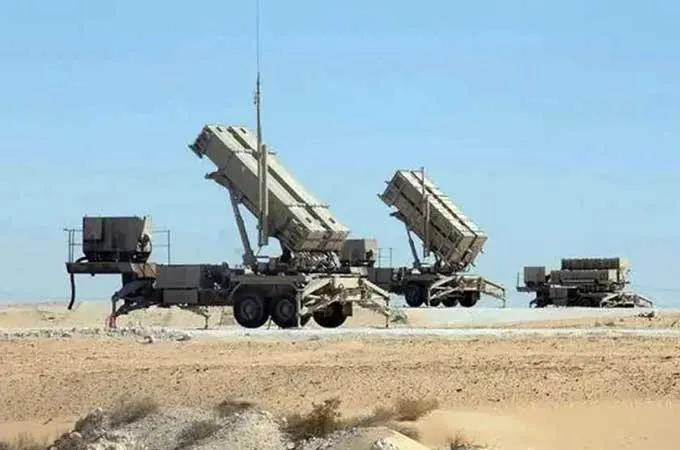
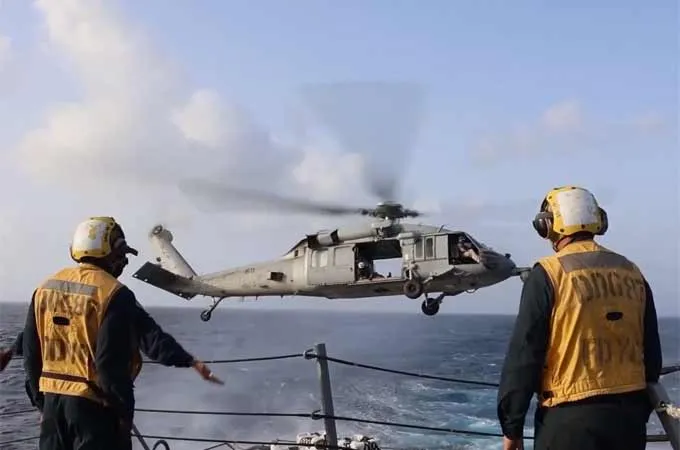
Israel launched strikes against military targets in western and central Iran early Monday, defying reported calls from U.S. President Donald Trump for Prime Minister Benjamin Netanyahu to refrain from retaliatory action following an Iranian missile attack on Israel.
Explosions were reported in several Iranian cities, including Tehran, Tabriz and Isfahan, as the Israeli military confirmed it had targeted military sites.
The strikes marked the most serious direct military exchange between Israel and Iran since an April truce and threatened to further destabilise US-led efforts to negotiate an end to the broader regional conflict.
Iranian state media reported explosions in multiple locations, while the Islamic Revolutionary Guard Corps (IRGC) said Israel had used air-launched ballistic missiles in the attack. Iranian authorities said an attack in Isfahan province caused no casualties.
The Israeli operation came hours after Iran launched multiple waves of missiles toward northern Israel in response to Israeli strikes on Hezbollah-linked targets in southern Beirut on Sunday. Most of the missiles were intercepted, according to Israeli authorities, who later lifted shelter orders for residents.
Trump urges Netanyahu to hold off
The latest escalation unfolded despite Trump's efforts to restrain Israel and preserve momentum in negotiations with Tehran. According to a US official, Trump told Netanyahu during a phone call on Sunday to hold off on retaliatory strikes against Iran.
Trump publicly underscored Washington's determination to control the diplomatic process, telling the Financial Times that any eventual agreement with Iran would have to be accepted by Israel. "I call the shots. I call all the shots. He doesn't call the shots," Trump said, referring to Netanyahu.
The U.S. president also expressed frustration over the latest military exchanges, telling Fox News he was "not happy" with Israeli strikes on Beirut and warning that the renewed violence was undermining diplomatic efforts. He urged Iran to return to negotiations, saying the missile attacks were "not going to help" and that Tehran should "get back to the table and make a deal."
Bab al-Mandab Strait warning
Meanwhile, Iran signalled it could widen the confrontation. Iranian state media reported that a senior adviser to Supreme Leader Ayatollah Ali Khamenei warned Tehran could move to block the Bab al-Mandab Strait if Israel escalates its attacks.
The strategic waterway, located at the southern entrance to the Red Sea, is a vital gateway to the Suez Canal and one of the world's most important shipping corridors linking Asia and Europe. Any disruption could have significant implications for global trade and energy markets. The narrow passage has previously been targeted by Yemen's Iran-backed Houthi rebels.
The latest Israeli strikes on Iran, coupled with the renewed attacks on Beirut, have raised fresh questions about Washington's ability to influence its closest Middle East ally and highlighted the increasingly narrow path facing US diplomats seeking to prevent the conflict from expanding further across the region.