Saudi Arabia has strongly condemned Yemen's Iran-aligned Houthi movement's threat to impose a shipping blockade on Saudi Arabia in the Red Sea, opening a potentially dangerous new front in the escalating US-Iran conflict.
The Houthi threat comes as the United States launched another wave of strikes against Iranian military targets and confirmed fresh casualties among its forces, underscoring the growing risk of a wider regional war stretching from the Strait of Hormuz to the Red Sea.
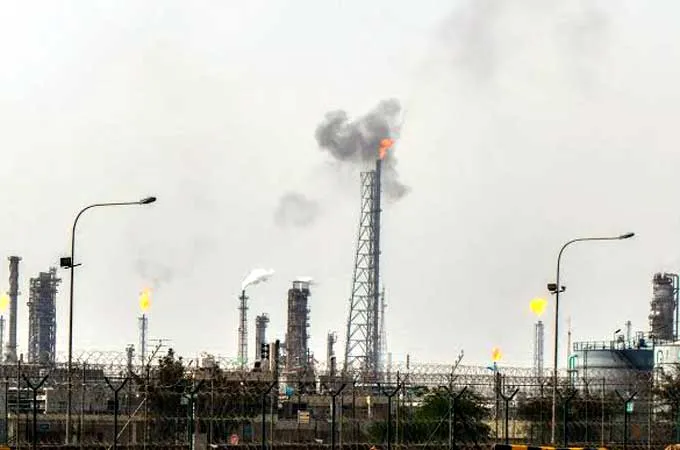
The Saudi-led coalition in Yemen said it would respond to any Houthi action "with force" and had begun implementing additional protection measures for ships transiting the Bab el-Mandeb Strait, a vital route for Saudi oil exports following the effective closure of the Strait of Hormuz.
The Houthis' threat raises the prospect of disruptions to two of the world's most important maritime trade corridors, potentially affecting global energy supplies and international shipping far beyond the Gulf.
The latest escalation follows one of the deadliest periods for US forces since the conflict began. The Pentagon identified two US soldiers killed in Friday's Iranian attack on an American base in Jordan, while unidentified remains believed to be those of a third missing service member have been recovered. A fourth US service member was also killed in northern Iraq during the controlled detonation of unexploded ordnance from a downed Iranian attack drone, reports said.
The Pentagon said nearly 100 US service members have suffered injuries since July 7, although 96% have already returned to duty. Most of the injuries were described as minor concussions. The disclosure came after reports that the US military had been slow to reveal the full extent of troop casualties during the conflict.
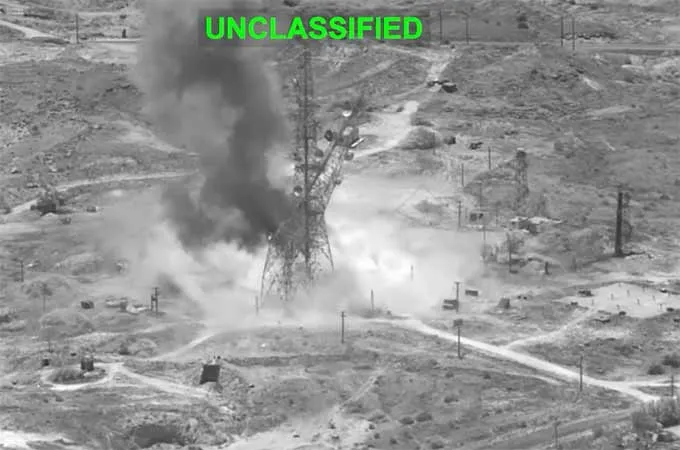
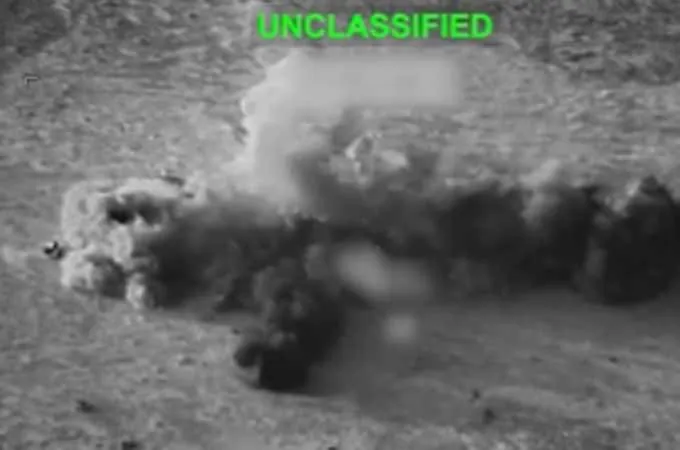
Late Monday, US Central Command (CENTCOM) said American forces carried out another round of strikes against Iranian military command centres, maritime assets, missile and drone launch sites, and air defence systems.
The strikes were aimed at degrading Iran's ability to attack commercial shipping passing through the Strait of Hormuz, CENTCOM said, adding that commercial vessel transits through the strategic waterway were continuing despite the hostilities.
The military said its forces had helped facilitate the passage of around 900 commercial vessels carrying approximately 450 million barrels of crude oil since early May.
Maritime security concerns continued to mount after the UK Maritime Trade Operations (UKMTO) said a tanker was struck by an "unknown projectile" northeast of Limah, Oman, on Monday. The vessel's crew abandoned ship and evacuated into lifeboats. Iran's Revolutionary Guards later claimed responsibility, saying they had targeted two "non-compliant" tankers attempting to transit the Strait of Hormuz.
Shipping traffic through the waterway has fallen sharply since diplomatic efforts between Washington and Tehran collapsed, with MarineTraffic data showing only nine vessels transited the Strait over the past 24 hours.
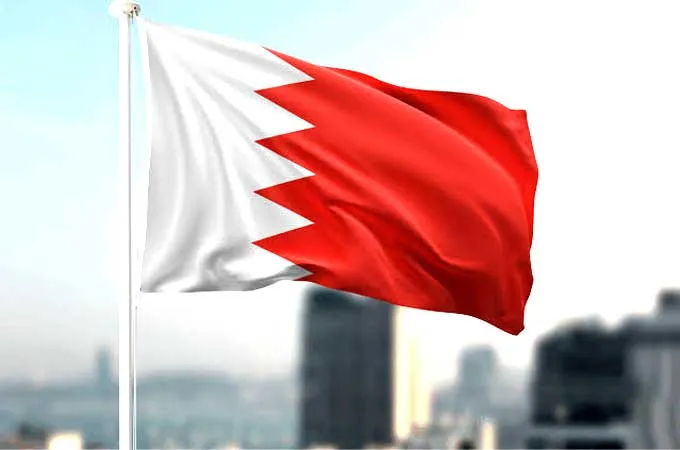
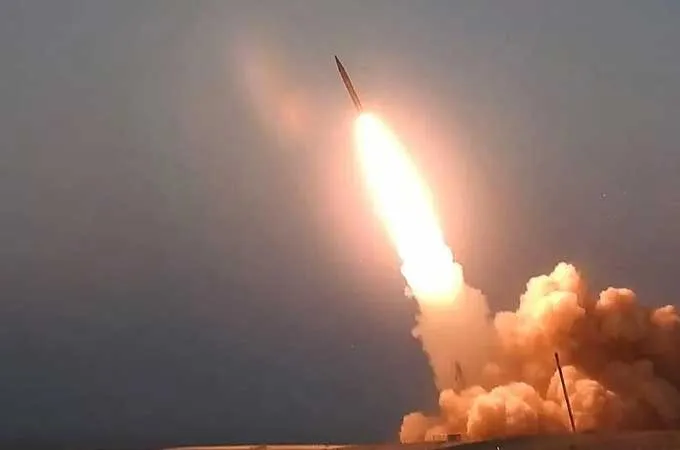
Elsewhere in the region, Kuwait said it intercepted hostile missiles and drones, while Jordan reported shooting down three Iranian missiles. Bahrain also sounded air raid sirens, highlighting the widening geographical scope of the conflict.
The US is meanwhile reinforcing its military presence in the region, with additional fighter aircraft being deployed as President Donald Trump weighs further action against Iran. Dozens of US aerial refuelling aircraft have also arrived in Israel in recent days.
Despite reports that mediators have floated a 10-day ceasefire proposal, Washington has downplayed the likelihood of President Trump accepting any pause in military operations, signalling that the conflict is likely to intensify further.