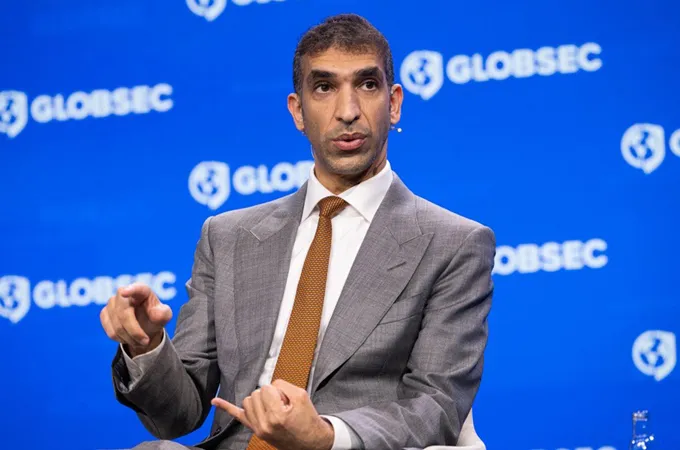
The conflict in the region has prompted the UAE to fast-track a series of alternative trade and logistics projects that were already under development, as the country moves to safeguard supply chains and reinforce its position as a global trade hub, according to Dr Thani bin Ahmed Al Zeyoudi, the UAE Minister of State for Foreign Trade.
“The fundamental redesign of Gulf logistics that we were undertaking over a decade is now being compressed into years,” said Al Zeyoudi. “What this moment has done is accelerate the timelines of existing plans, and underscore the wisdom of building an open, diversified, and resilient trade architecture before it is needed.”
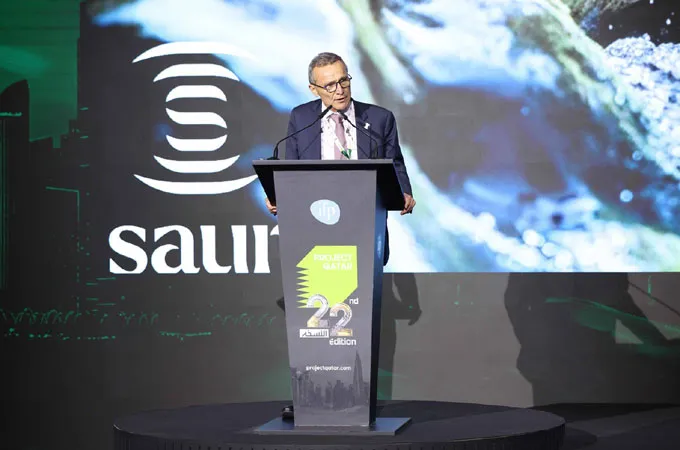
Speaking during the panel discussion, “The Ripple Effect: How the Iran War is Shaping Global Economies and Politics,” at the GLOBSEC Forum 2026 in Prague, Al Zeyoudi outlined the UAE’s response to disruptions affecting global trade routes and reiterated the country’s commitment to maintaining stability and resilience in regional and international commerce.
“Nothing that we have achieved in the last five years has been undone or unwound,” said Al Zeyoudi. “The UAE is a bridge to high-growth markets across the Gulf, Africa and Asia, and a partner for trade, logistics, investment and technology. That role has not diminished. It has become more important.”
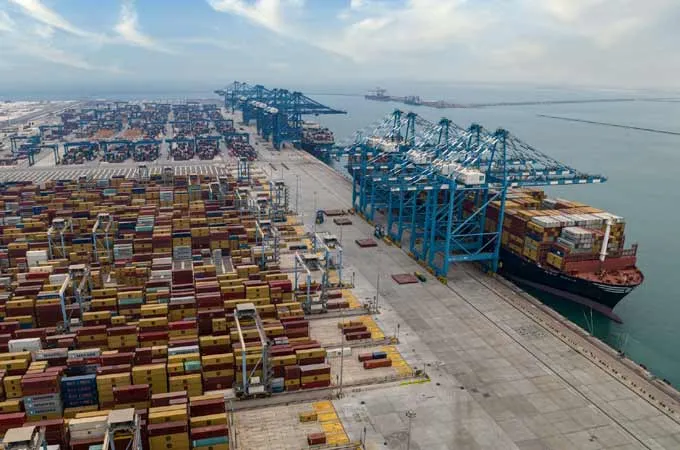
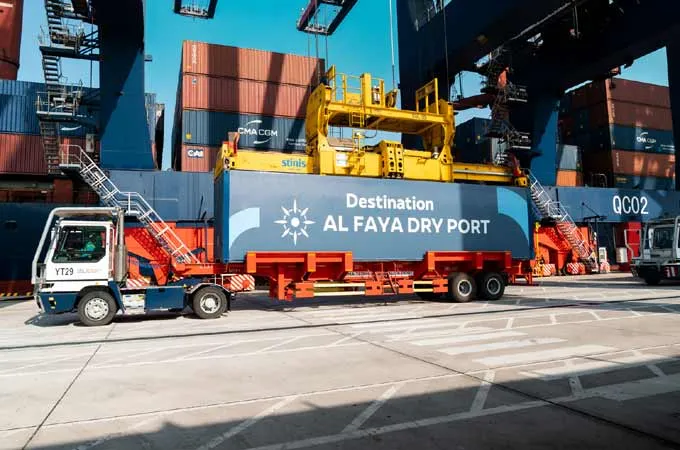
Addressing policymakers, business leaders and international officials, Al Zeyoudi detailed a range of immediate and structural measures introduced since the onset of the conflict. These include the activation of alternative trade corridors through the UAE’s eastern ports of Fujairah and Khorfakkan, the establishment of air freight bridges for time-sensitive pharmaceutical and food cargo, a Green Corridor with Oman, and a new Sharjah–Dammam trade bridge.
He also highlighted the deployment of an economic support fund aimed at ensuring business continuity and providing targeted relief for SMEs, alongside a Five-Pillar Financial Institution Resilience Package launched by the UAE Central Bank to sustain credit flows.
On the UAE’s long-term trade strategy, Al Zeyoudi said the country’s Comprehensive Economic Partnership Agreement (CEPA) programme remains central to sustaining growth momentum. The initiative has resulted in 36 agreements with partners across six continents and contributed to non-oil foreign trade reaching $1.03 trillion in 2025.
- TradeArabia News Service