Global oil prices rose on Thursday, recovering part of the previous session’s losses, as market participants reassessed the outlook for a potential de-escalation in tensions involving Iran and the United States. The conflict has continued to disrupt energy flows across a critical oil-producing region.
Brent crude futures increased by about 1.7% to trade above $103.9 per barrel, while US West Texas Intermediate (WTI) crude rose roughly 1.45% to above $91.77 per barrel in early trading. The gains followed a decline of more than 2% for both benchmarks in the previous session.
Market sentiment has been influenced by uncertainty surrounding diplomatic efforts. Officials in Iran indicated that Tehran is reviewing a proposal put forward by Washington aimed at ending hostilities, though statements reported by Associated Press suggest that Iranian leadership remains reluctant to engage in direct negotiations at this stage.
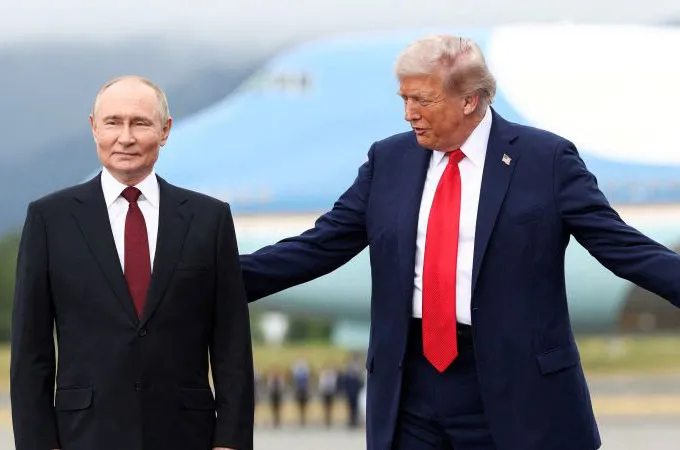
At the same time, the administration of Donald Trump has maintained a firm stance. Comments from the White House, reported by multiple outlets including CNN, indicated that additional pressure could be applied if Iran does not agree to US terms. These reported conditions include limits on nuclear activities, missile development, and regional influence.
Analysts note that expectations for a near-term ceasefire have weakened. Tsuyoshi Ueno of NLI Research Institute, cited by Reuters, said that the threshold for agreement appears high, leaving oil markets sensitive to both diplomatic developments and military actions.
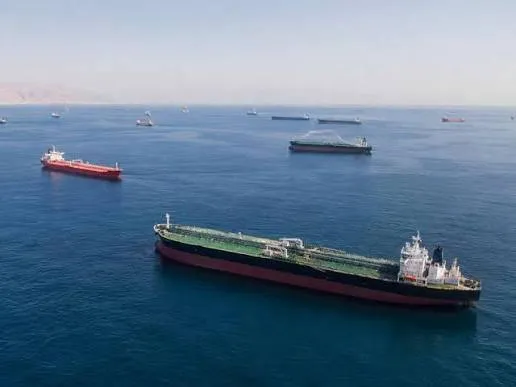
The broader supply picture remains a key concern. The International Energy Agency has warned that disruptions linked to the conflict could represent one of the most significant shocks to global energy supply in recent history. A major focal point is the Strait of Hormuz, a critical transit route that typically handles roughly 20% of global oil and liquefied natural gas shipments, according to IEA and U.S. Energy Information Administration data.
Separately, shifts in trade flows have begun to emerge. As reported by Reuters and supported by regional industry sources cited in The Economic Times, India has purchased a cargo of Iranian liquefied petroleum gas for the first time in several years. This follows a temporary easing of US sanctions on certain Iranian energy exports, highlighting how policy adjustments are influencing global supply chains.