Iran’s attacks on GCC countries, and the resulting closure of airspace and the region’s main shipping route, are unlikely to affect the existing ratings of state-owned companies in the region, according to Fitch Ratings.
This reflects the strong likelihood that the respective governments will support their key operating companies, and Fitch’s baseline expectation that the conflict will be short-lived, lasting less than a month.
Most rated corporate entities in the GCC are rated on a top-down basis, and their ratings will move with the Issuer Default Rating of the relevant sovereign.
However, our base case is subject to particularly high uncertainty. A more prolonged disruption to energy exports than we assume would likely have more severe negative repercussions for sovereign credit profiles in the region, stated the top ratings agency in its review.
Seaborne oil and LNG exports have been disrupted due to the threat of attack, although Saudi Arabia could use its national pipeline to move oil exports to the Red Sea, and the UAE could export via Fujairah. QatarEnergy has suspended its LNG production and declared force majeure.
Fitch expects publicly rated national oil companies, including QatarEnergy, Saudi Aramco, Energy Development Oman and OQ to be able to absorb the impact of current disruption, given their strong financial profiles, minimal financial leverage and access to substantial committed liquidity. Their ratings are currently constrained by the respective sovereign ratings.
"Our base case is that the effective closure of the Strait of Hormuz will be temporary, given its vital economic role. Restrictions on marine traffic through the strait could, however, put pressure on regional corporates’ ability to export products or maintain supply chains in the short term," remarked Paul Lund, the Head of GCC Corporates at Fitch Ratings.
"Corporates and infrastructure operators generally have adequate short-term liquidity to cover operational shortfalls, but a longer interruption may increase their reliance on sovereign support," he stated.
"In the short term, supply chains for industrial and construction companies that largely transit the strait could disturb construction programmes, particularly for bespoke items. Supply chains for food - particularly grains and rice - are also constrained by shipping lane closures, but we expect air freight for fresh goods to resume shortly and refrigerated cargo to be prioritized," he noted.
According to Lund, major utility and infrastructure providers, including Abu Dhabi National Energy Company and Saudi Energy Company, are unlikely to be materially affected, given a high level of redundancy in their networks and power-generating operations.
"Once supply chain disruption eases, Fitch expects utilities’ large capex plans to continue in support of GCC countries’ development plans, supporting economic growth and reducing dependence on natural resources for energy production in the future," he stated.
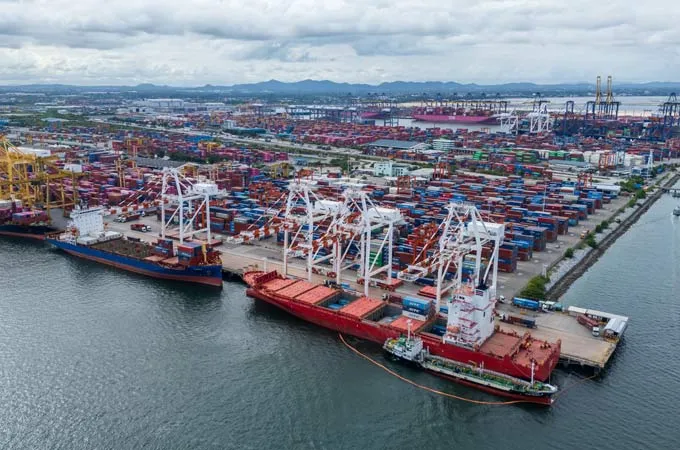
While the UAE and parts of Saudi Arabia may experience short‑term disruption and the need for temporary operational adjustments at major ports, we expect operations to normalise with no lasting impact if the conflict remains contained, he added.
According to Fitch, major port operators, such as Abu Dhabi Ports Company, may see some earnings pressure, but ratings should remain resilient, supported by global diversification, the potential to capture rerouting demand and higher storage revenues.
The top ratings agency however cautioned that risks will increase if the conflict spreads geographically or persists for an extended period, particularly for tourism and business travel.
"Even if hostilities subside quickly, the attacks could weigh on confidence in tourism, given the peak Eid and Easter holiday periods in late March and early April 2026, and real estate," noted Lund.
"However, the GCC tourism industry’s more developed infrastructure could facilitate a faster recovery compared with the period after the global financial crisis, he added.-TradeArabia News Service