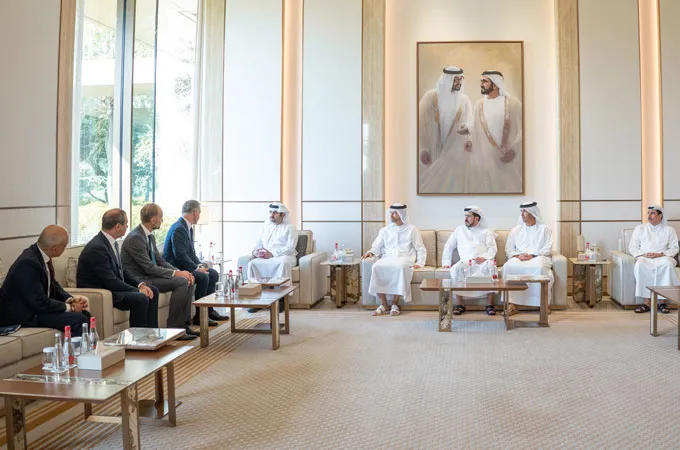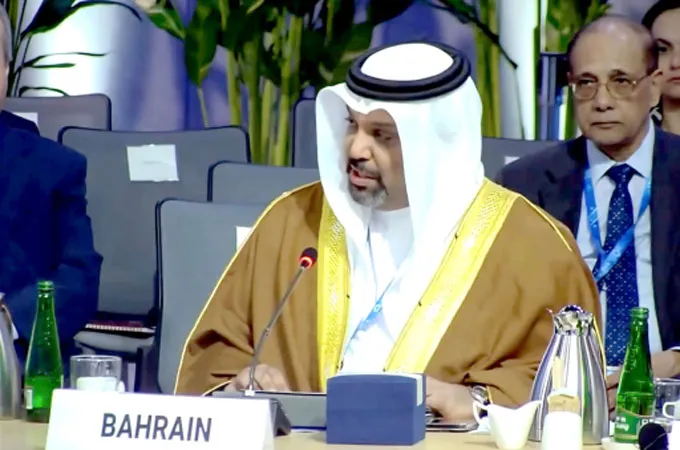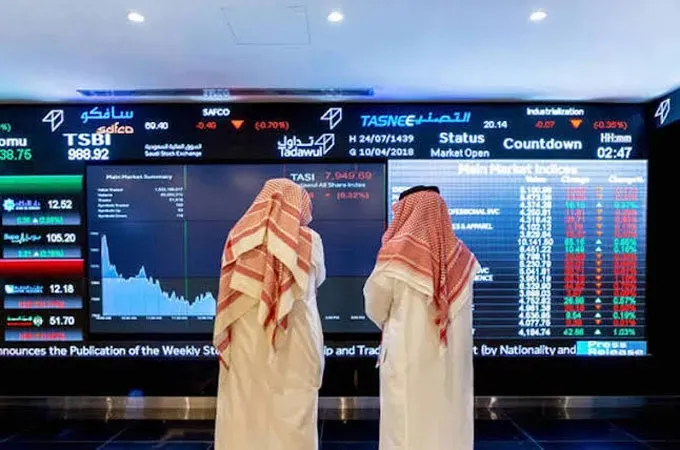
GCC capital markets have witnessed significant development in recent years, driven by governments’ efforts to diversify funding sources and deepen capital markets, said top rating agency Fitch, adding the combined market capitalisation of listed equity markets across the Gulf region stands at around $4 trillion.
GCC fixed-income yields are benefitting from a decline in geopolitical risk premiums following the US-Iran deal, according to Fitch Ratings. This is reflected in yield spreads between GCC investment-grade debt and US Treasury bonds having returned to pre-war levels.

Qatari banks had strong capital and liquidity buffers, as well as provision coverage, before the Iran conflict, and asset-quality metrics were sound. But the country's banking sector operating environment could weaken under adverse scenarios for the Iran conflict, warned a top Fitch official.

UAE banks’ viability ratings could face risks from asset-quality deterioration, lower business volumes and higher impairments under the adverse scenario, where the impact of the Iran conflict is significantly more severe, with real estate lending seen as the most likely source of stress, according to Fitch Ratings.

The effective closure of the Strait of Hormuz following the outbreak of the Iran conflict, is likely to be temporary given its vital economic role. This, alongside global oil market oversupply, should limit oil price rises and mitigate any potential disruptions to Iranian oil supply, said an industry expert.

The duration of the aviation disruption following the joint Israel-US strike on Iran and its subsequent attacks on countries in Gulf region, will be fundamental to determining the implications for affected sectors, including airlines, airports, lodging and lessors, said an expert.

The prolonged closure of Strait of Hormuz, lasting significantly longer than a month, would negatively affect global chemical production, with Mideastern and Asian producers most affected. Chemical production costs may hit a new high and global supply chains could get disrupted, said a report.

Iran’s attacks on GCC countries, and the resulting closure of airspace and main shipping route, are unlikely to affect the existing ratings of state-owned companies in the region. This reflects the strong likelihood that the governments will support their key operating companies, according to Fitch Ratings.

Most EMEA airlines have sufficient rating headroom to withstand aviation disruption if the Iran conflict lasts fewer than four weeks. However the impact will be greater for local Gulf-based carriers, due to direct network disruption, than for more diversified European airlines, according to Fitch ratings.

Saudi banks’ exposure to Vision 2030 giga projects remains modest but is likely to rise as some projects become operational, Fitch Ratings says.