The US military is preparing for the possibility of sustained, weeks-long operations against Iran if President Donald Trump orders an attack, two US officials told Reuters, in what could become a far more serious conflict than previously seen between the countries.
The disclosure by the officials, who spoke on condition of anonymity due to the sensitive nature of the planning, raises the stakes for the diplomacy underway between the US and Iran.
US and Iranian diplomats held talks in Oman last week in an effort to revive diplomacy over Tehran's nuclear program, after Trump amassed military forces in the region, raising fears of new military action.
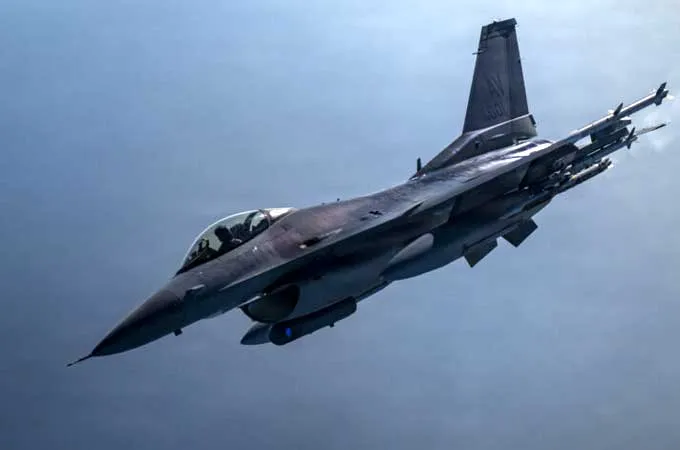
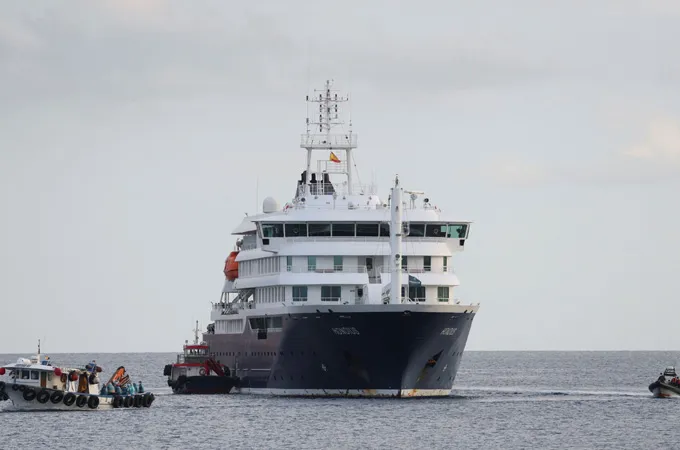
US officials said on Friday the Pentagon was sending an additional aircraft carrier to the Middle East, adding thousands more troops along with fighter aircraft, guided-missile destroyers and other firepower capable of waging attacks and defending against them.
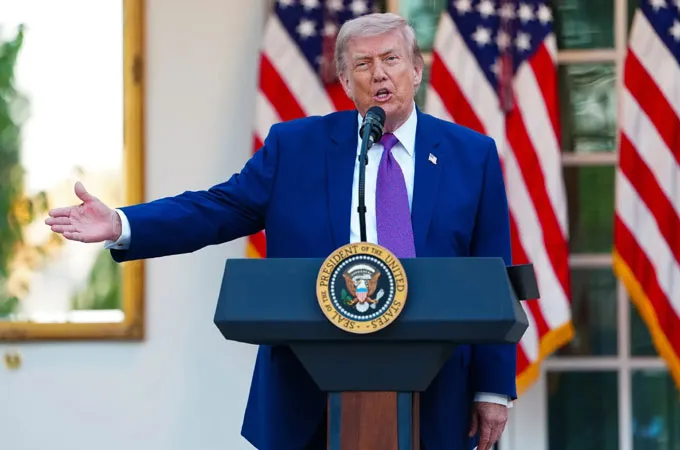
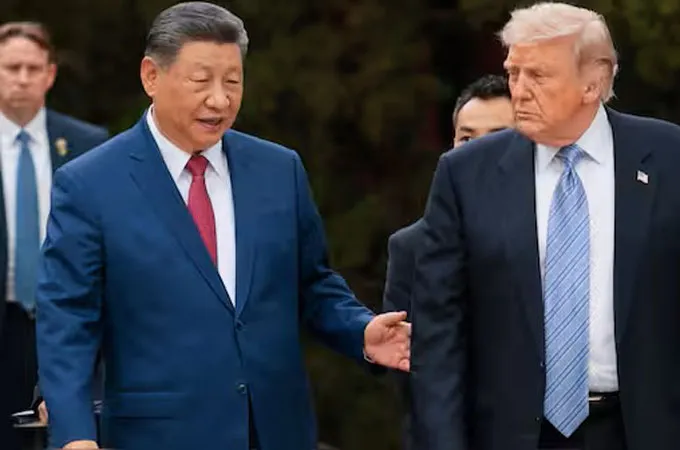
Trump, speaking to US troops on Friday at a base in North Carolina, said it had "been difficult to make a deal" with Iran.
"Sometimes you have to have fear. That's the only thing that really will get the situation taken care of," Trump said.
Asked for comment on the preparations for a potentially sustained US military operation, White House spokesperson Anna Kelly said: "President Trump has all options on the table with regard to Iran."
"He listens to a variety of perspectives on any given issue, but makes the final decision based on what is best for our country and national security," Kelly said.
The US sent two aircraft carriers to the region last year, when it carried out strikes against Iranian nuclear sites.
However, June's "Midnight Hammer" operation was essentially a one-off US attack, with stealth bombers flying from the United States to strike Iranian nuclear facilities. Iran staged a very limited retaliatory strike on a US base in Qatar.
The planning underway this time is more complex, the officials said.
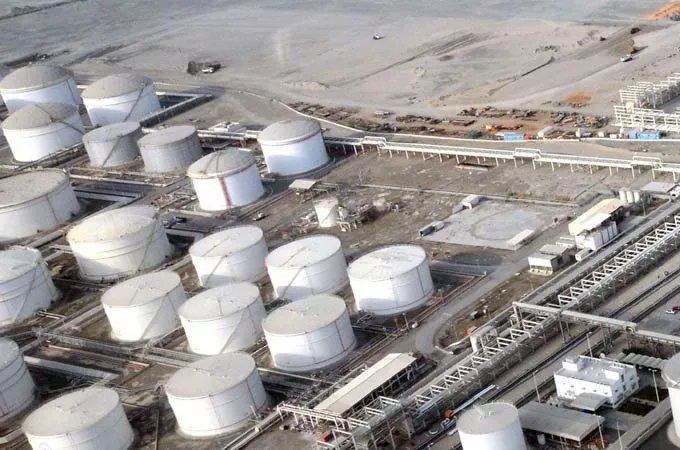
In a sustained campaign, the US military could hit Iranian state and security facilities, not just nuclear infrastructure, one of the officials told Reuters. The official declined to provide specific detail.
Experts say the risks to US forces would be far greater in such an operation against Iran, which boasts a formidable arsenal of missiles. Retaliatory Iranian strikes also increase the risk of a regional conflict.
The same official said the US fully expected Iran to retaliate, leading to back-and-forth strikes and reprisals over a period of time.
The White House and Pentagon did not respond to questions about the risks of retaliation or regional conflict.
Trump has repeatedly threatened to bomb Iran over its nuclear and ballistic missile programs and crushing of internal dissent. On Thursday, he warned the alternative to a diplomatic solution would "be very traumatic, very traumatic."