Oil prices climbed sharply on Monday, with Brent crude rising $2.59 to around $106.90 a barrel, as uncertainty over US-Iran diplomacy renewed concerns about the future of oil shipments through the Strait of Hormuz.

Oil prices rose nearly 1% in early trade on Wednesday, extending the previous session's surge, as concerns over supply disruption.

Oil prices pulled back sharply from four-month highs on Thursday, easing from above $108 a barrel as Saudi Arabia moved to restore disrupted crude flows, while a US interest-rate increase added pressure to the market.

Oil prices rose further on Tuesday as renewed Houthi attacks on Saudi Arabia added to growing concerns over energy supplies, with Brent crude gaining $1.58 to $107.30 a barrel and US West Texas Intermediate (WTI) rising $1.64 to $103.

Oil prices rose on Tuesday as renewed military tensions between the United States and Iran revived concerns that the conflict could continue to disrupt crude supplies from the Middle East.

Oil prices surged more than 2% on Monday after a fresh exchange of US and Iranian attacks around the Strait of Hormuz renewed the risk of disruption to crude shipments through the key oil chokepoint.

Oil prices fell sharply on Monday after US President Donald Trump suspended plans for military strikes against Iran and announced that negotiations with Tehran would resume, raising hopes of reducing the risk of disruptions to global crude supplies.

The US Energy Information Administration has sharply raised its forecast for oil prices this year, warning that severe restrictions on shipping through the Strait of Hormuz are likely to persist through August despite President Donald Trump's repeated assertions that the strategic waterway is open.
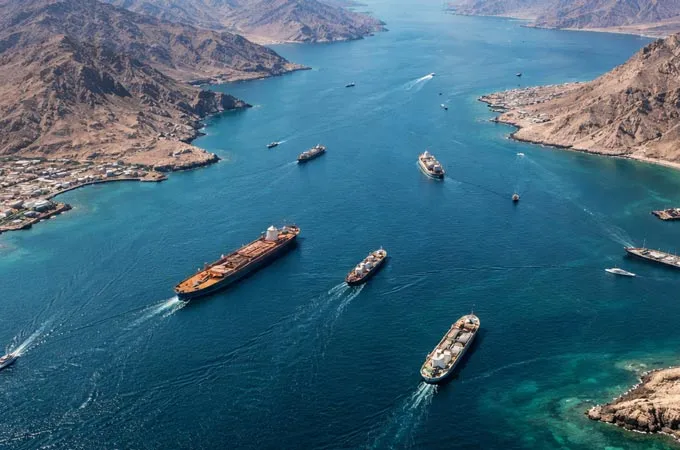
Oil prices climbed sharply on Wednesday as renewed military clashes between the United States, Saudi Arabia and Iran kept traders on edge about supply disruptions, even as Oman unveiled a Gulf-backed proposal aimed at safeguarding shipping through the Strait of Hormuz.

Oil prices extended their sharp decline in early Asian trading on Tuesday as markets welcomed a fourth consecutive night without military strikes between the United States and Iran, easing immediate fears of a wider disruption to Middle East energy supplies.