Oil prices recovered on Tuesday after suffering their steepest one-day decline in weeks, as persistent concerns over potential supply disruptions in the Middle East outweighed optimism that diplomatic efforts could quickly end the five-month-old conflict between the United States and Iran.

A fresh attack on a commercial vessel near the Strait of Hormuz and the diversion of Saudi-operated tankers away from the Red Sea underscored mounting risks to global energy supplies on Tuesday, even as the US and Iran issued conflicting statements over the status of negotiations.

Oil prices fell sharply on Monday after US President Donald Trump suspended plans for military strikes against Iran and announced that negotiations with Tehran would resume, raising hopes of reducing the risk of disruptions to global crude supplies.

Diplomatic efforts to defuse the Gulf crisis are expected to gain fresh momentum on Monday as the United States and Iran prepare to resume negotiations, following US President Donald Trump's decision to suspend a planned military strike against Iran.
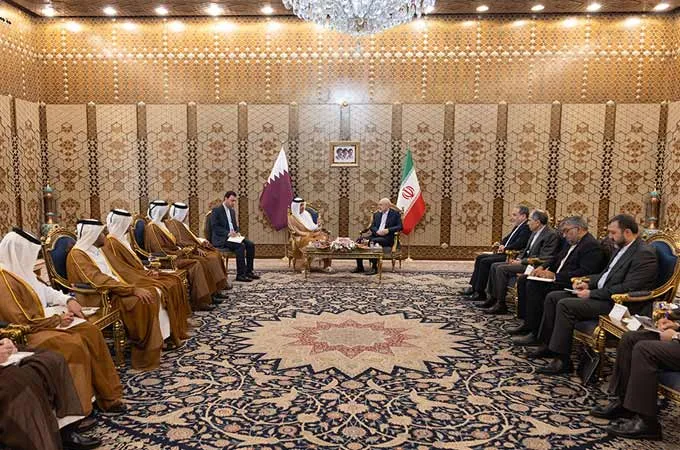
Qatar stepped up regional mediation efforts on Thursday, with Prime Minister and Foreign Minister Sheikh Mohammed bin Abdulrahman Al Thani pressing Iran to restore freedom of navigation through the Strait of Hormuz, even as Tehran insisted that reopening the strategic waterway would depend on conditions being met by the United States.
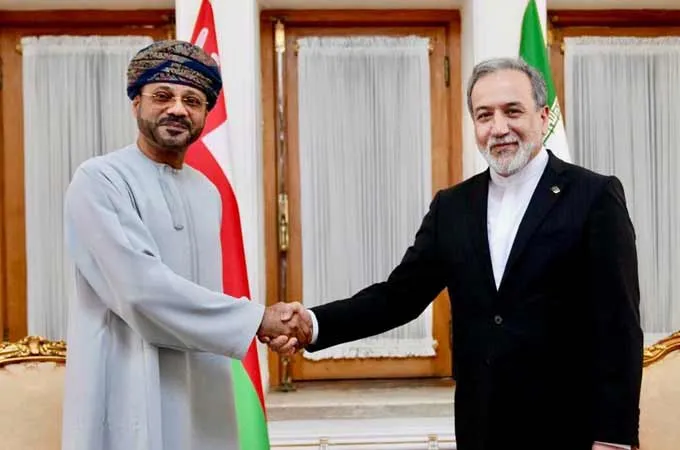
Iran and Oman have agreed to pursue a temporary shipping corridor through the Strait of Hormuz and launch efforts to clear mines from the strategic waterway, in the latest diplomatic push to restore the flow of vessels through the Strait.
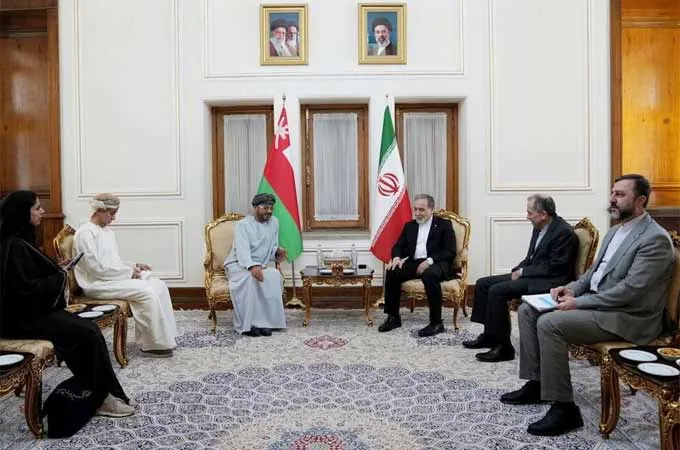
Omani Foreign Minister Sayyid Badr bin Hamad Al Busaidi on Tuesday held constructive consultations with his Iranian counterpart Dr Seyed Abbas Araghchi in Tehran, Oman News Agency reported.

Iran appears to be losing significant control over the Strait of Hormuz as commercial vessels increasingly use an Omani shipping route despite Tehran’s warnings, while US President Donald Trump has ruled out any current or planned negotiations with Iran, adding to uncertainty over the strategic waterway and pushing oil prices higher.

President Donald Trump has threatened military action against Oman if the US ally obstructs Washington’s efforts to negotiate with Iran over the reopening of the Strait of Hormuz, adding a new and potentially destabilising dimension to efforts to restore shipping through the strategic waterway.
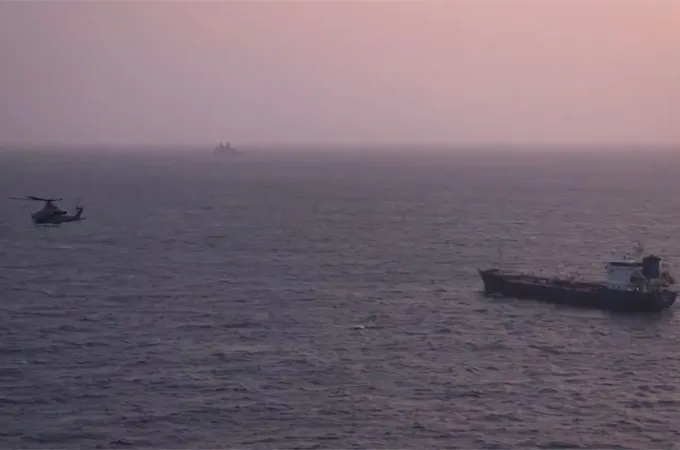
Uncertainty over the future of the Strait of Hormuz deepened on Saturday as the United States and Iran traded conflicting claims over control of the strategic waterway, while commercial shipping remained severely disrupted and fresh attacks added to mounting concerns over the security of Gulf trade.