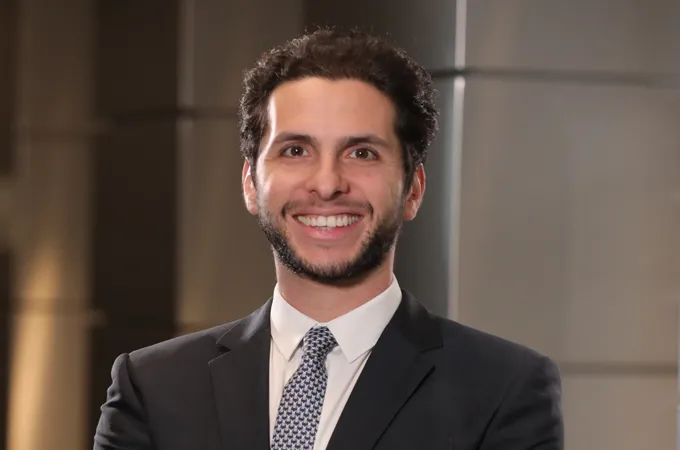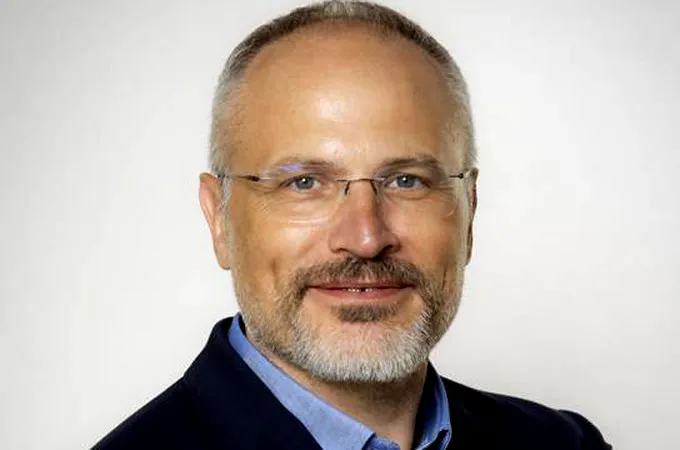
WSP, one of the world’s leading professional services consulting firms, has appointed Dincer Mete as Director of Infrastructure, Middle East. Based in Riyadh, Dincer will support the continued growth and delivery of WSP’s Transport & Infrastructure business across the region.

Intech is expanding its Middle East presence after securing a project to deliver an integrated electrical automation solution for a key onshore facility operated by a major regional energy company.

Global airfreight volumes declined in the first full week of August after a mild rally the previous week, with chargeable weight sinking from all origins, said a report. The Middle East was among the weakest-performing markets, along with South Asia, with volumes down 6pc in the first full week of August.

IHG Hotels & Resorts has signed a franchise agreement with Morina Development & Investment to introduce Cantonal Hotel Riyadh Noted Collection by IHG, marking the brand’s debut in the Middle East.
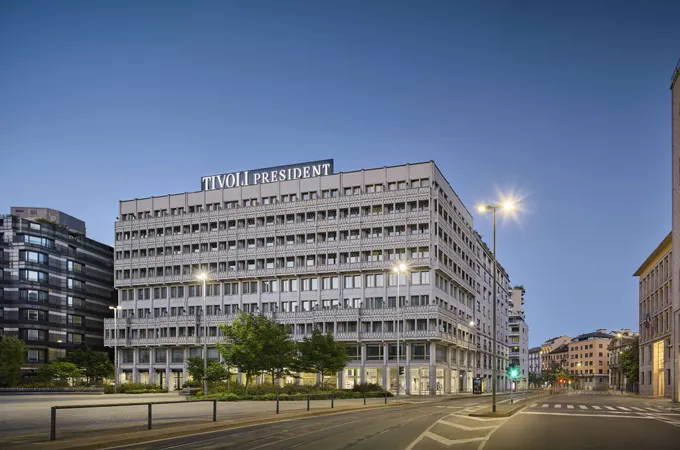
Minor Hotels reported steady growth in the second quarter of 2026, with core profit rising 2% year-on-year to THB 2.8 billion (approximately $84.3 million), supported by continued strength across Europe and the Americas that helped offset weaker trading conditions in the Middle East.
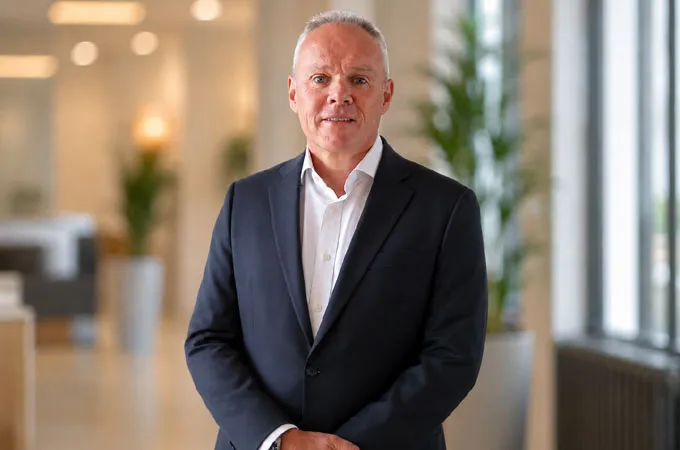
Egis, a leader in architecture, consulting, construction engineering, operations and maintenance services firm, has appointed Steven Scott as its regional director of advisory business across Mideast and South Asia. An industry veteran, he has 34 years of experience in development and infrastructure consulting, including 18 in the region.
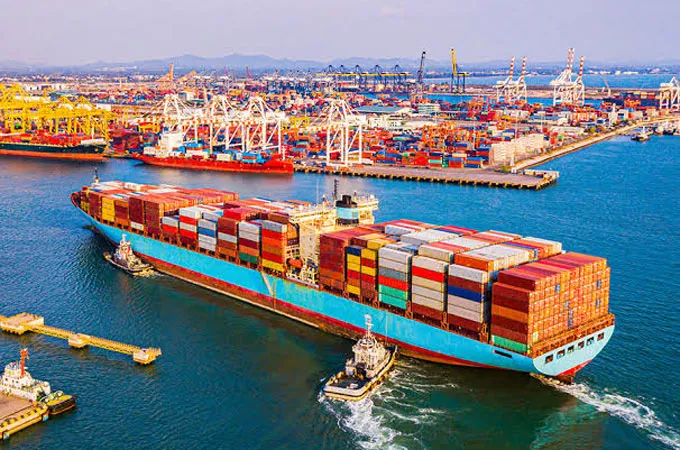
World merchandise trade growth exceeded expectations in the first quarter of 2026 as surging trade in electronic components related to artificial intelligence (AI) offset the negative impact of the conflict in the Middle East, which began in the final month of the quarter.
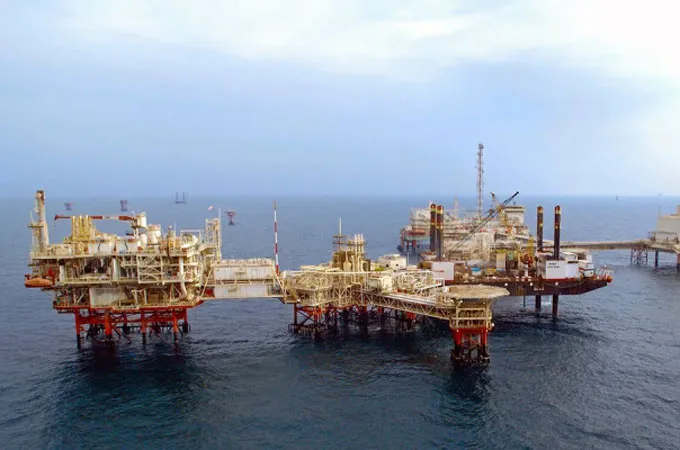
Spanish engineering company Técnicas Reunidas has announced that it has secured two major contracts worth a total of more than $5.75 billion from Abu Dhabi National Oil Company (ADNOC) to provide engineering, procurement, construction and installation services for its Upper Zakum megaproject.
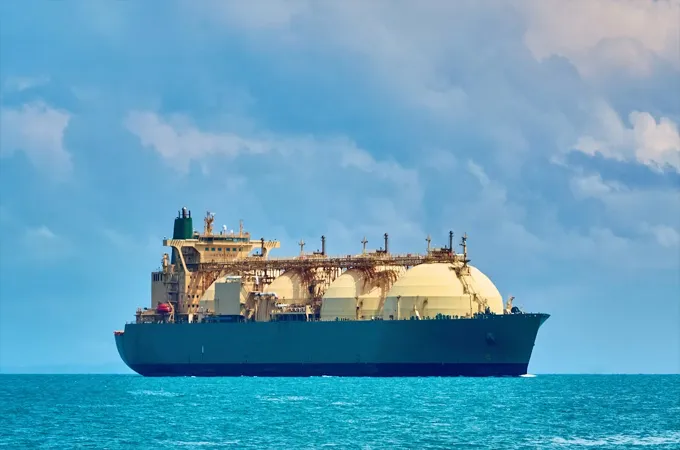
The International Energy Agency (IEA) forecasts global natural gas demand will fall 0.5 per cent in 2026 as Middle East conflict-driven supply disruptions, higher prices and reduced LNG flows through the Strait of Hormuz weigh on consumption.

VinFast, an electric vehicle brand of Vingroup, a business conglomerate in Vietnam, has appointed Prashanth Rao as the new CEO for its Middle East operations. In this role, Rao will spearhead the regional strategy, accelerate EV adoption and establish a robust footprint in a rapidly growing market.