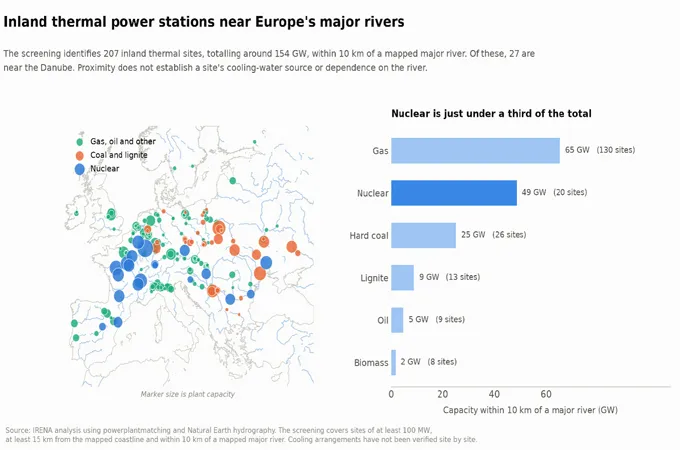
Record-low Danube water levels forced thermal power plants across Central Europe to cut output or shut down in August, exposing vulnerabilities in heatwaves. Hungary’s Paks nuclear plant fell to 9% capacity, while Romania’s Cernavodă plant was fully shut down.

The International Renewable Energy Agency (Irena) has invited public and private sector renewable energy developers in Central America and the Caribbean to submit project proposals for potential financing through its Climate Investment Platform (CIP) and Energy Transition Accelerator Financing (ETAF) platform.
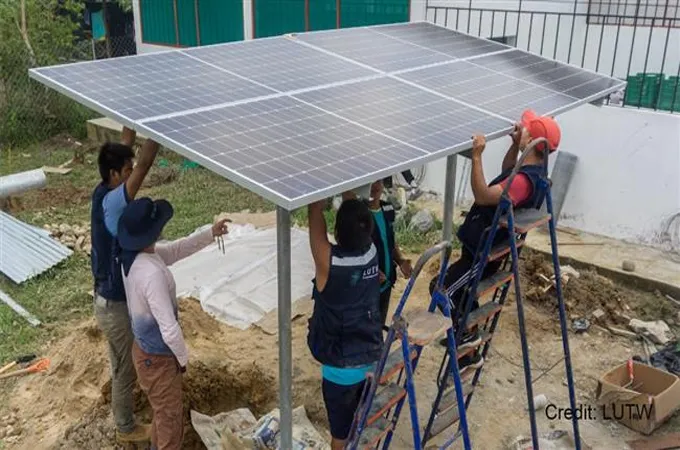
Despite nearly 98 per cent electrification, Latin America still faces rural energy access gaps, particularly in the Amazon and Andean regions. Decentralised renewable energy solutions, including solar and micro-hydropower, are emerging as key tools to expand access and support remote communities.
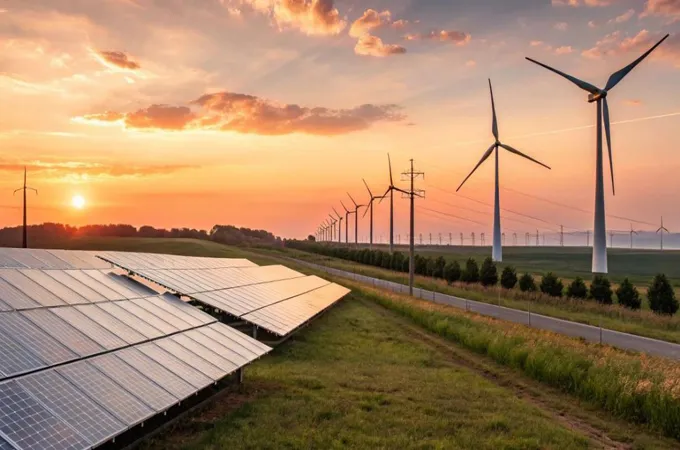
Renewable energy continued to be the most cost-competitive source of new electricity generation in 2025, with more than 90 per cent of newly added utility-scale renewable capacity proving cheaper than the lowest-cost new fossil fuel alternatives, according to a report by the International Renewable Energy Agency.
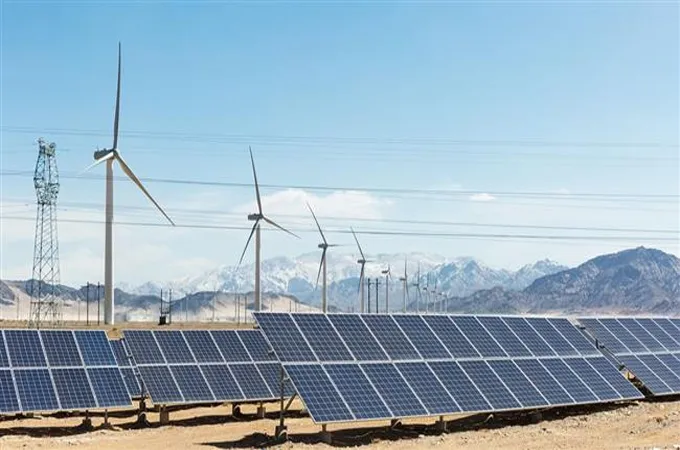
Global renewable electricity generation rose 9.8 per cent in 2024, far outpacing the 1.4 per cent growth in non-renewable generation, according to the International Renewable Energy Agency’s (Irena) Renewable Energy Statistics 2026.

Amid geopolitical tensions highlighting fossil fuel risks, leaders at the Global Energy Transition and Electrification Summit in London advanced electrification solutions and launched Electrify Now, with Irena urging focus on electrifying economies, not renewable generation.
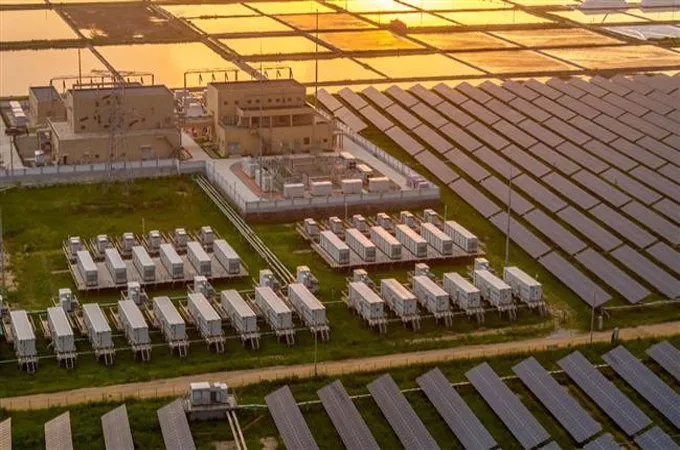
According to the International Renewable Energy Agency, solar and wind paired with battery storage provide reliable, cost-effective 24/7 electricity. In prime regions, hybrid renewable systems deliver continuous power at lower costs than fossil fuels.
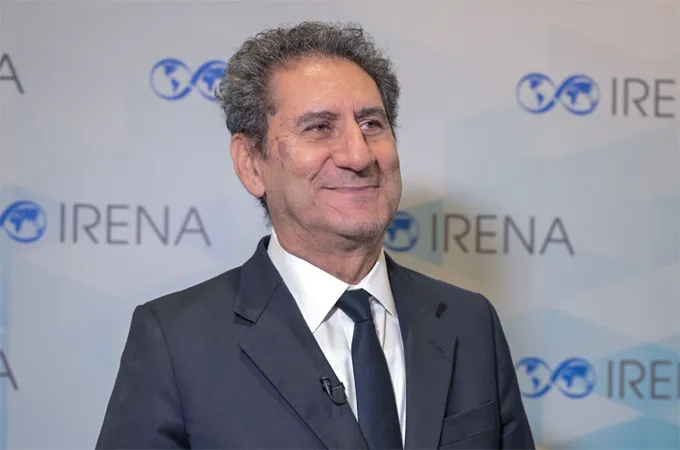
Abu Dhabi's Al Dhafra Round-The-Clock project by Masdar that combines solar with a massive amount of battery capacity is a global blueprint for the continuous and reliable supply of renewable energy, said the Director-General of the International Renewable Energy Agency (IRENA).

An Irena brief says renewables are improving energy security during the crisis by reducing fossil fuel dependence, with record capacity growth, falling costs, and battery-backed wind and solar delivering cheaper, more resilient 24/7 power.

In 2025, global renewable power capacity reached 5,149 GW with a 692 GW (15.5 per cent) annual increase, accounting for 85.6 per cent of total capacity growth, while non-renewables contributed a smaller share, reports Irena’s Renewable Capacity Statistics 2026.