Saudi Arabia's cabinet on Tuesday approved the Kingdom's budget for fiscal year 2027 with a projected revenue of SAR1.202 trillion ($320.63 billion) and estimated expenditure of SAR1.392 trillion ($371.32 billion), resulting in a projected deficit of approximately SAR190 billion ($50.68 billion).
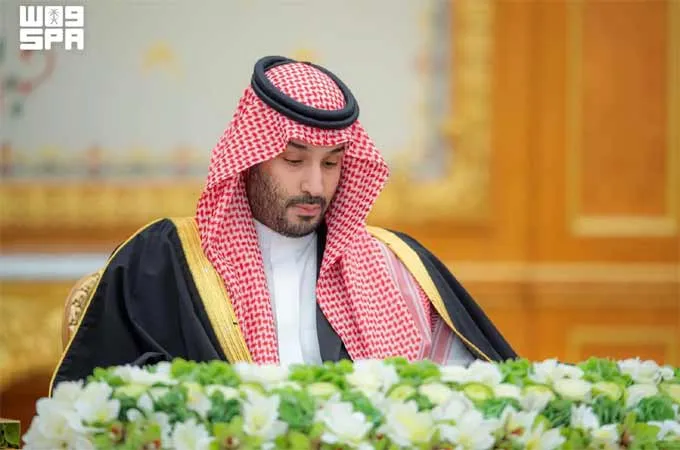
His Royal Highness Prince Mohammed bin Salman bin Abdulaziz Al Saud, Crown Prince and Prime Minister, chaired the Cabinet session held to approve the budget.
HRH the Crown Prince directed ministers and officials, each within their respective areas of responsibility, to actively commit to implementing the budget's development and social programmes and projects, and to harness all national resources and capabilities to advance the nation and serve the interests of its citizens.
HRH the Crown Prince noted that the Saudi economy demonstrated its resilience during 2026, anchored by a solid foundation, flexible fiscal policies, a proactive approach to long-term planning, and quality investments that strengthened the readiness of infrastructure and the logistics ecosystem, enabling the continued pursuit of development and the effective management of various crises and challenges.
Minister of Finance Mohammed Aljadaan affirmed that the priorities of the budget include provision of essential services to citizens, improving their quality of life, and directing support to eligible groups. The budget also prioritises supporting the private sector, promoting economic growth, and preserving the Kingdom’s national achievements. His remarks came during a government press conference organised by the Ministry of Media.
Aljadaan explained that over the past ten years, following the launch of Saudi Vision 2030, the Kingdom has undergone a profound economic and developmental transformation. Non-oil activities have expanded, the private sector’s contribution to the economy has increased, and services provided to citizens have improved, even as economies worldwide faced successive challenges.
He said estimates indicate that fiscal year 2026 will close with expenditures of approximately SAR1.436 trillion, revenues of SAR1.191 trillion, and a deficit of SAR245 billion, representing about 4.9% of gross domestic product (GDP).
He reaffirmed the government’s ability to keep deficit levels under control despite existing challenges.
Aljadaan emphasized that despite a 2.1% decline in GDP due to lower oil production volumes, non-oil GDP maintained positive growth. Its share of total GDP rose to 57.7%, the highest level recorded in the Kingdom’s history since data collection began.
The minister noted that this transformation reflects the diversification of the Saudi economy, with sectors such as technology, tourism, industry, and military industries actively contributing to economic activity. All these sectors have experienced significant growth in recent years.
He affirmed that indicators of domestic economic activity reflect the economy’s resilience, with domestic demand continuing to grow despite challenges. Employment of Saudi nationals in the private sector increased by 7% compared with the previous year, while profits of companies listed on the capital market grew by 17% through the third quarter compared with the previous year.
He added that the Purchasing Managers’ Index (PMI) reached 54 points in October, surpassing the averages of the G20 and Gulf Cooperation Council (GCC) countries. The number of micro, small, and medium-sized enterprises (MSMEs) also increased by 4% between the end of 2025 and the second quarter of 2026, reaching 1.832 million establishments. This growth reflects the opportunities that investors and entrepreneurs see in the Saudi economy.
Aljadaan also reviewed the growth of non-oil activities this year, saying they grew by 2.8% in the first quarter before being affected by the repercussions of the geopolitical crisis and the near-total closure of ports in the eastern part of the Kingdom. He said growth resumed in the third quarter following the rerouting of imports and exports to western ports. He expects non-oil GDP to grow by 2.5% by the end of this year.