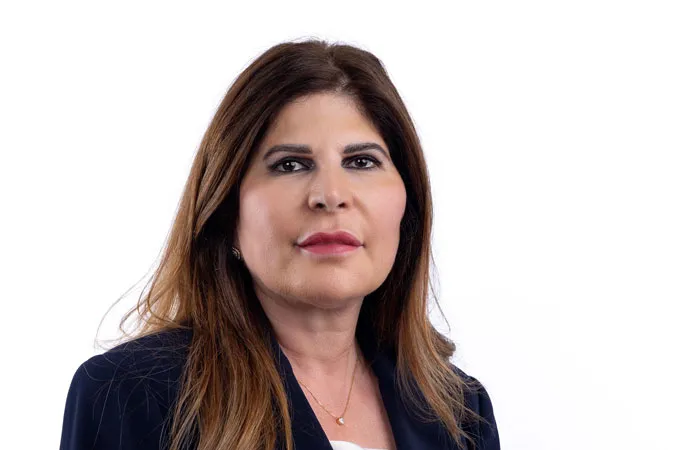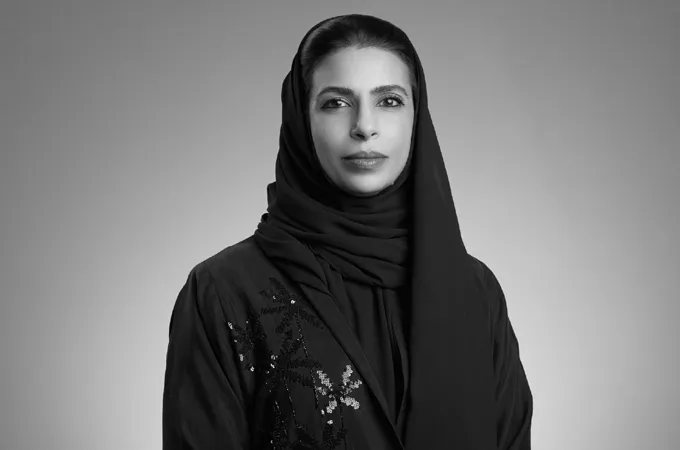
Bahrain’s banking sector is supporting economic diversification as digitalisation reshapes the world of finance and creates new opportunities to channel capital into strategic sectors, according to Sara Abdulhadi, the CEO of Gulf International Bank.
“The banking sector is not just an intermediary – it is a catalyst,” remarked Sara while speaking to Oxford Business Group (OBG).
“With financial services as the largest non-oil contributor to GDP, Bahrain’s banks continue to anchor employment, investment and innovation, alongside acting as the connective tissue between public strategy and private capital.” she stated in the interview with OBG.
According to Sara, financial services (which include banking and insurance) account for 19.7% of real GDP, with more than 370 licensed financial institutions operating across the sector.
Wholesale banking, insurance and asset management are notable areas of the sector, supporting Bahrain’s role as a specialised financial gateway to regional markets.
During the interview, Sara discussed the sector’s contribution to Bahrain Economic Vision 2030, the development of Islamic finance and the regulatory frameworks supporting financial technology (fintech).
She also highlighted Bahrain’s mature regulatory environment, local talent pool and collaboration between established institutions and emerging financial services providers as key competitive strengths.
Sara explained that the sector’s contribution to economic development extends beyond traditional lending and also includes financing infrastructure, supporting small and medium-sized enterprises (SMEs), deepening capital markets and channeling investment into sustainable projects.
Islamic finance remains another key area, supported by regulatory initiatives and new Shariah-compliant instruments.
Turning to fintech, Sara highlighted the regulatory sandbox launched in 2017 and the Central Bank of Bahrain’s work on open banking, cloud infrastructure, digital assets and crowdfunding.
These frameworks, alongside collaboration between regulators, banks and start-ups, help financial institutions test and integrate new solutions, she noted.
According to the top financial expert, the digital adoption is also accelerating in banking across the GCC region, with real-time payments, digital onboarding for SMEs and technology-led client servicing becoming increasingly prominent.
The investment in artificial intelligence and digitalisation would support greater product personalisation, lower costs and improved transparency, she stated.
“While retail banking was an early adopter of digitalisation, wholesale banking has caught up and accelerated digital adoption significantly in the last three to five years,” she added.
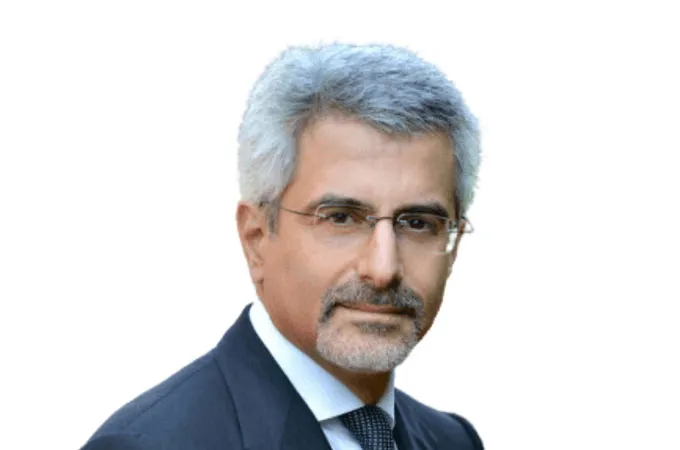
Marc-André de Blois, OBG’s Director of PR and Video Content, said the interview underscored the relationship between financial sector development and Bahrain’s wider economic ambitions.
“Bahrain’s financial sector is supporting diversification through both the deployment of capital and the development of digital services. The interview highlights how regulatory collaboration, sustainable finance and innovation in wholesale banking are shaping the Kingdom’s competitiveness as a specialised financial centre,” de Blois said.
Looking ahead, Sara identified digitalisation, deeper capital markets and sustainable growth as priorities for consolidating Bahrain’s international financial role.
Established institutions, she added, would remain important in directing capital towards strategic sectors and developing structured finance, syndications and sustainable instruments.-TradeArabia News Service