Saudi Arabia, Turkey and Pakistan have opened a new diplomatic initiative to ease tensions in the Gulf, holding high-level talks with Iranian leaders in Tehran on Monday (October 26).
The meeting, involving the three signatories to the Makkah Joint Defence Agreement and senior Iranian officials, marked their first high-level engagement since the war that began with US and Israeli strikes on Iran spread to Saudi Arabia and Yemen.
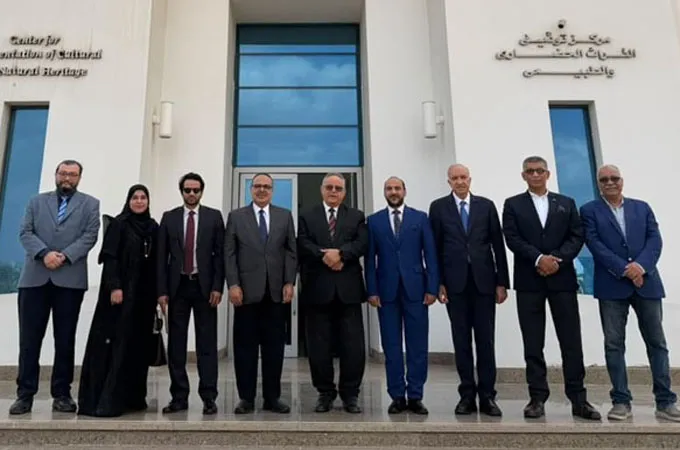
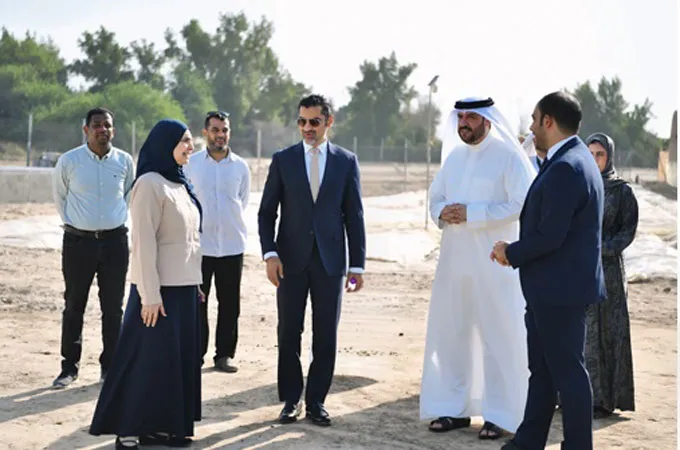
Saudi Defence Minister Prince Khalid bin Salman, Pakistan's army chief Field Marshal Asim Munir and Turkish intelligence chief Ibrahim Kalin met Iranian President Masoud Pezeshkian and other senior officials in an effort to establish diplomatic channels and prevent further escalation.
The talks concluded with all four countries agreeing to continue dialogue aimed at strengthening regional cooperation, including in the fields of peace and security, according to a joint statement issued after the meeting.
The diplomatic initiative comes at a particularly sensitive moment for the Gulf, with renewed Houthi attacks on Saudi Arabia, warnings of further US military action against Iran and Egypt moving closer to providing direct defence support to Riyadh.
Agreement to continue dialogue
The Tehran meeting was hosted by Mohsen Rezaei, secretary of Iran's Supreme National Security Council, and attended by Iranian Foreign Minister Abbas Araqchi and other senior officials.
A joint statement released by the four countries said: "The participants agreed to continue the dialogue to strengthen cooperation amongst the four regional countries, including for peace and security in the region."
Saudi Arabia said the purpose of the visit was to open negotiating channels to prevent a return to military escalation.
The participation of the three Makkah agreement countries represents a significant regional diplomatic effort to contain the conflict, particularly as Saudi Arabia has itself become a target of attacks linked to the wider confrontation.
The Makkah mutual defence pact, signed by Saudi Arabia, Turkey and Pakistan in August, has brought the three countries into closer security cooperation. Their joint engagement with Tehran offers a potential avenue for addressing regional tensions through dialogue rather than further military action.
Iran signals willingness for cooperation
During his meeting with the visiting officials, President Pezeshkian affirmed Iran's readiness to take steps towards regional cooperation and the settlement of disputes.
He said Tehran would support any understanding that strengthened unity among Islamic countries and contributed to regional security and development.
"Any understanding reached in these meetings that leads to stronger unity, cohesion and regional cooperation will receive the firm and comprehensive support of the Islamic Republic of Iran," Pezeshkian said, according to Iranian state media.
The Iranian president urged regional governments to manage their differences, prioritise common interests and strengthen economic and security cooperation.
Pezeshkian maintained that Iran would continue to defend its national interests and legal rights, while expressing hope that cooperation among major Islamic countries would help prevent further military confrontation.
He reiterated that Iran was not seeking nuclear weapons and said the country, as a signatory to the Nuclear Non-Proliferation Treaty, was entitled to pursue peaceful nuclear activities within its international rights and obligations.
Houthi attacks complicate peace efforts
The diplomatic opening came against the backdrop of continuing hostilities involving Yemen's Iran-aligned Houthi movement, whose attacks on Saudi Arabia have added another dimension to the regional conflict.
Yemen's internationally recognised government said its forces had carried out 1,276 strikes against Houthi targets over a 24-hour period on Monday, reflecting the intensity of the latest military operations.
The Houthis also launched fresh attacks on Saudi Arabia.
The continuing hostilities have raised concerns about the security of critical infrastructure, regional trade and shipping routes, particularly around the Red Sea and the Bab el-Mandeb Strait.
Egypt approves defence support for Saudi Arabia
In a significant development on Monday, Egypt's parliament authorised President Abdel Fattah al-Sisi to take all necessary measures to help Saudi Arabia defend itself, potentially bringing Cairo more directly into the conflict.
The parliamentary approval followed a request from Sisi for authority to provide military assistance to the kingdom if Riyadh sought Egyptian support in its confrontation with the Houthis.
According to an official parliamentary statement, at least two-thirds of lawmakers backed the measure during a closed session. The detailed voting tally was not released.
No formal Saudi request for Egyptian troops has been announced, and the parliamentary decision does not in itself mean Egyptian forces will be deployed.
US-Iran tensions remain high
The Tehran initiative also follows renewed warnings from Washington that military action against Iran remains a possibility.
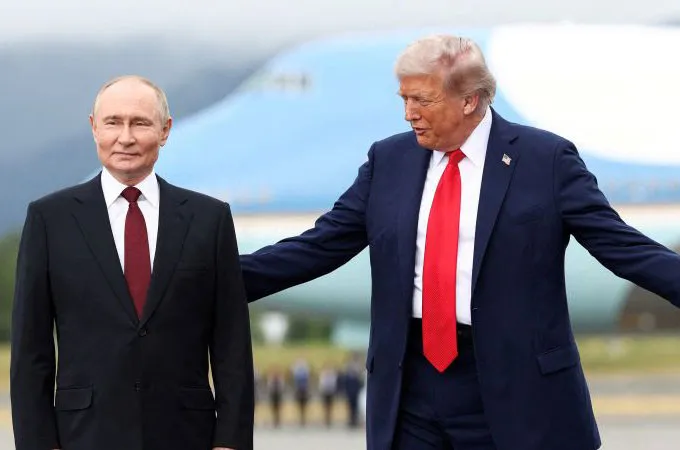
US President Donald Trump said on Friday that the United States could strike Iran again, raising fears of another round of confrontation following the US and Israeli attacks that triggered the current conflict.
Reuters reported that Iranian security officials had drawn up detailed plans to attack undersea cables in the Gulf if the United States and Israel launched further strikes.