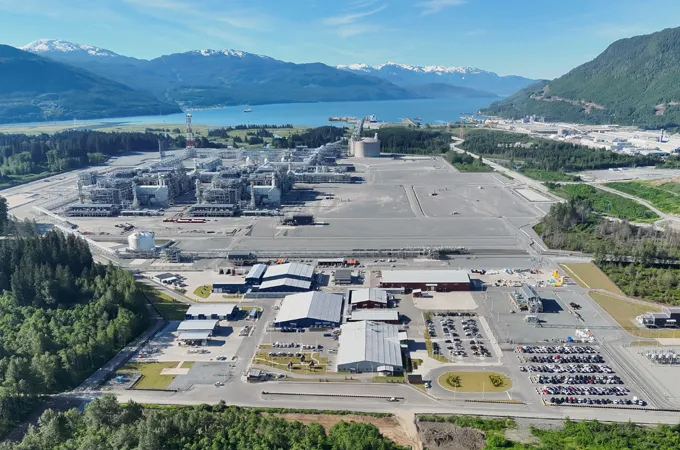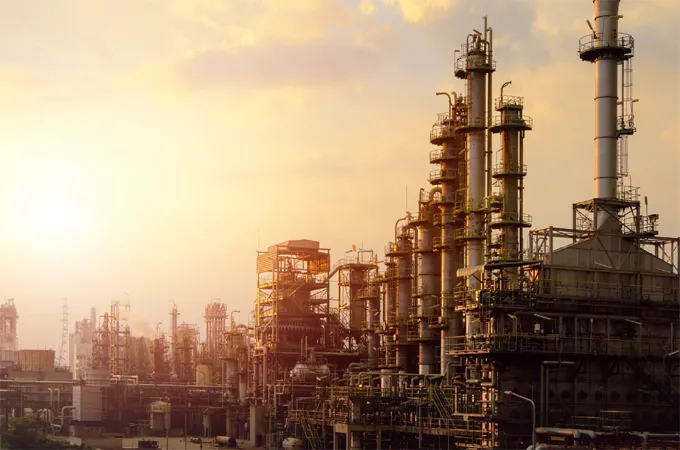
Construction activities linked to Dangote Industries’ planned $15–16 billion refinery in Lamu, Kenya, face disruption after 133 residents filed a petition claiming rights over land earmarked for the project.
The Malindi Environment and Land Court has ordered parties
to maintain the status quo on the disputed land and refrain from carrying out
activities until a hearing scheduled for October 14.
The refinery’s groundbreaking had initially been planned for
September 30.
The petition was filed by residents of Chandavai in Lamu County, who claim that the land allocated for the refinery, identified as LR No. 13061, forms part of their ancestral heritage.
They are seeking recognition
of their claims and compensation.
The African Energy Chamber (AEC), which represents the
African energy sector, condemned the legal action and expressed support for
Aliko Dangote and Dangote Industries, describing the refinery as strategically
important to East Africa’s fuel security.
The Chamber characterised the case as “frivolous litigation
from the west” and warned that bureaucracy, litigation and opposition to
infrastructure projects could delay critical energy investments across Africa.
“Africa cannot continue exporting its energy security and
then acting surprised when conflicts thousands of kilometres away determine
what our people pay for fuel. The communities of Lamu must have their rights
respected, and legitimate questions around land and compensation should be
resolved quickly and fairly. But those issues cannot become an excuse to
indefinitely delay one of the most important downstream investments East Africa
has seen in decades,” states NJ Ayuk, Executive Chairman of the AEC.
Dangote Industries has maintained that the court ruling will
not stop the planned groundbreaking and has reaffirmed its commitment to the
proposed 700,000-barrel-per-day (bpd) refinery.
However, prolonged litigation could affect the company’s
target of completing the facility by 2030.
The refinery is expected to address East Africa’s heavy
dependence on imported petroleum products.
The region has had no operating refinery since Kenya
Petroleum Refineries shut down in 2013, leaving it dependent on imports for
about 90 per cent of its fuel requirements, with 75 per cent coming from the
Middle East.
The AEC argues that the planned facility could strengthen
regional energy security, particularly following disruptions to global oil
trade linked to the conflict in the Middle East.
The project is modelled on Dangote’s 650,000-bpd refinery in
Nigeria, which is expanding toward 1.2 million bpd.
The Nigerian facility has reduced petroleum imports,
increased refined-product exports and strengthened Nigeria’s position as a
regional refining centre.
“Aliko Dangote has already demonstrated what African capital
and African entrepreneurship can achieve in refining. Kenya now has an
opportunity to build that same resilience in East Africa. Resolve the dispute,
protect the communities and build the refinery,” Ayuk added.
The AEC also cited opposition faced by other African
infrastructure projects, including the East African Crude Oil Pipeline and West
African Gas Pipeline, as examples of how legal and activist campaigns can
affect major energy developments.
It said legitimate land, compensation and environmental concerns should be addressed under Kenyan law, while arguing that the Lamu refinery should not become another major African infrastructure project delayed by prolonged legal disputes. -OGN/TradeArabia News Service