Trading value across Arab capital markets surged by 18% during the first nine months of 2026, while their combined market capitalisation stood at approximately $4.3 trillion at the end of September, reflecting continued market activity and resilience amid regional volatility this year, said an industry expert.
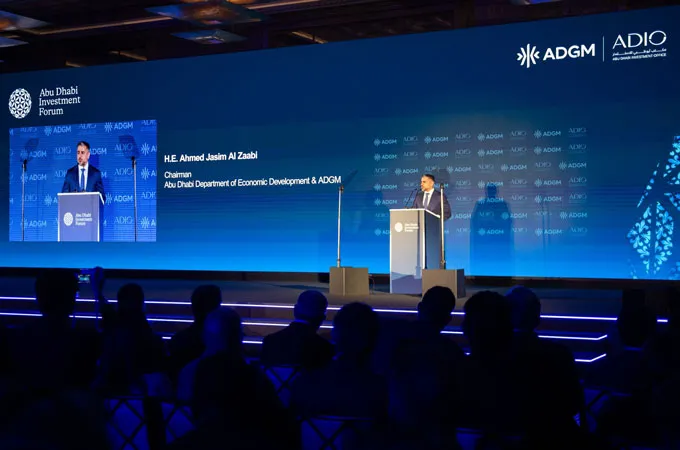
The trading value increased from around $700 billion in the first nine months of 2025 to approximately $825 billion during the same period this year, stated Dr. Fadi Kanso, Secretary General of the Arab Federation of Capital Markets (AFCM), during the AFCM Annual Conference in Abu Dhabi.
In his opening remarks, Kanso said trading volumes rose significantly to 1.5 trillion shares, while the number of transactions reached 135 million during the first nine months, an increase of around 10 percent year-on-year.
He pointed out that Arab capital markets demonstrated in 2026 their ability to continue operating, absorb shocks and resume their fundamental role in financing economies and driving investment despite geopolitical volatility and uncertainty across the region.
Kanso explained that markets had passed through three main phases since the beginning of the year: a positive start during the first two months, followed by a period of shock and risk repricing, and then a phase of relative stability and cautious recovery.
Markets are measured during stable periods by their size and liquidity, but during crises by their ability to operate efficiently. The key test, he added, was whether trading and settlement could continue, companies could retain access to markets, and infrastructure could withstand elevated levels of volatility and activity.
Kanso said markets subsequently regained some balance, although the pace of recovery varied from one market to another amid continuing geopolitical developments, oil-price volatility and uncertainty surrounding global interest rates.
He stressed that 2026 had demonstrated that Arab capital markets had become an essential part of Arab economies’ capacity to absorb shocks, distribute risk and restore growth.
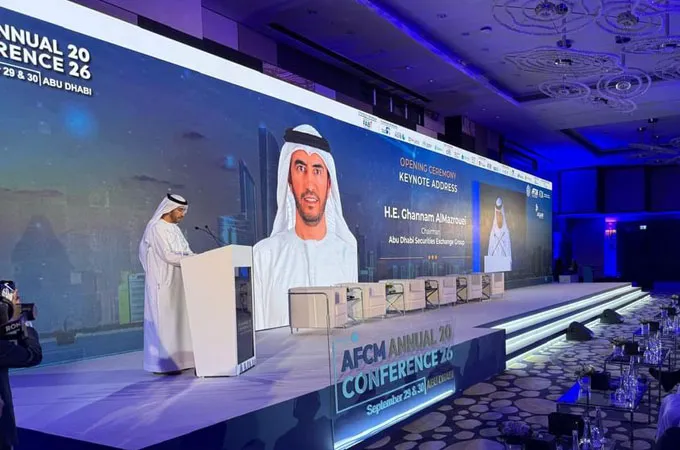
In his address, Ghannam Butti Almazrouei, the Chairman of Abu Dhabi Securities Exchange Group, said changes in global trade and markets were increasingly directing investors towards markets that combine growth, stability and resilience.
He said liquidity was no longer the sole measure of market strength, with resilience and the ability to respond to changing conditions becoming key pillars of sustainable growth and investor confidence.
Almazrouei pointed out that aggregate profits of ADX-listed companies rose 38% during the first half of 2026, while dividend distributions amounted to around $14 billion, alongside continued strong participation by foreign investors.
He added that ADX continues to expand access for global investors through dual listings, international partnerships and investment in digital-asset infrastructure.
Almazrouei stressed the importance of increasing connectivity among Arab markets and strengthening their ability to attract capital and achieve sustainable growth.
Abdulla Salem Alnuaimi, the Group CEO of Abu Dhabi Securities Exchange Group and Chairman of the Arab Federation of Capital Markets, said strengthening co-operation and integration among markets is a core objective of the Federation, noting that the infrastructure supporting Arab markets still requires greater integration.
He said investors can today access many global markets through their mobile phones, while gaining access to or trading in some Arab markets can take between three and six months, highlighting the need to develop mechanisms and technologies that facilitate connectivity and access.
Alnuaimi said individual Arab markets may appear relatively small when compared with some major global exchanges, but collectively they represent a significant market on the global investment map.
He stressed upon the importance of removing barriers and leveraging the combined scale and opportunities available across the region.