US President Donald Trump has rejected an Iranian proposal to reopen the Strait of Hormuz within seven days and resume nuclear negotiations, dealing a setback to diplomatic efforts to end the seven-month conflict and restore shipping through the vital waterway.
Trump told reporters on Saturday that he had rejected the latest Iranian proposal, which Tehran had transmitted to Washington through Qatari mediators during the UN General Assembly in New York.
The proposal offered a seven-day process to restore commercial passage through the Strait and restart negotiations, subject to US concessions including the lifting of its naval blockade, a relaxation of sanctions on Iranian oil exports and a regional ceasefire.
The rejection came despite several days of indirect US-Iranian contacts in New York, with Qatar and other mediators shuttling messages between the two sides. US officials had earlier described the discussions as “positive and constructive”, while Trump himself said on September 22 that talks with Iran were continuing and that he believed a settlement would eventually be reached.
Iran, meanwhile, has reiterated that diplomacy remains the only route out of the conflict.
Foreign Minister Abbas Araghchi said on Sunday that Tehran's conditions for reopening the Strait remained unchanged and that only a negotiated settlement could break the deadlock. He also said Iran was waiting for mediators to convey Washington's definitive position before Tehran decides its next step.
Iranian President Masoud Pezeshkian told Al Jazeera that Tehran no longer trusted negotiations with Washington after previous rounds of talks were followed by military action and sanctions. At the same time, he said the crisis could be resolved through negotiations and that the Strait would be reopened to commercial shipping if an agreement ended the war.
Under the Iranian proposal, the initial measures would take several days, with the Strait reopening on the sixth day and formal nuclear negotiations beginning on the seventh. Tehran has also sought the release of frozen Iranian assets and an end to sanctions on its oil exports as part of the proposed framework.
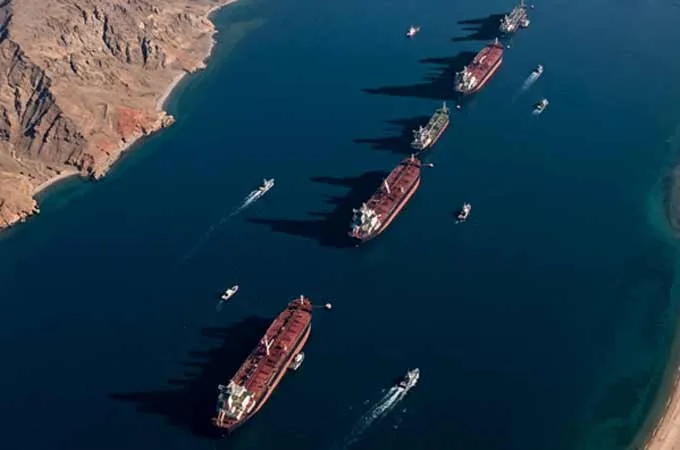
The Strait of Hormuz has become the central economic pressure point in the conflict. Its disruption has sharply reduced oil and gas flows through one of the world's most important energy corridors, contributing to higher energy prices and wider concerns about the global economy.