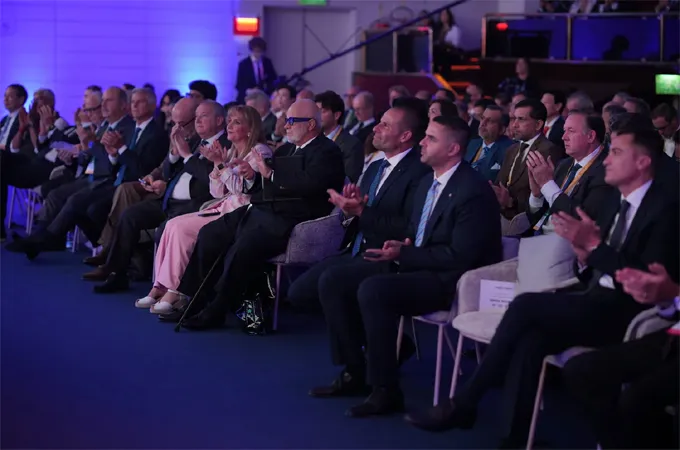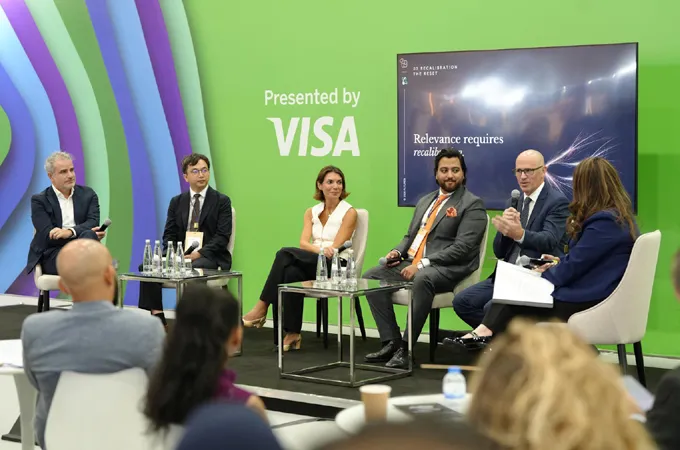
Technology, talent and customer focus will be central to maintaining competitiveness as the global travel industry enters its next phase of growth, according to senior executives at Arabian Travel Market (ATM) 2026.
The discussion took
place during “From Rebound to Readiness: Shaping What’s Next Across the Travel
Ecosystem”, an executive roundtable presented by FUTURE& at the ATM
Experience Hub.
The session brought
together leaders from destinations, hospitality, technology, digital travel and
payments to examine how businesses can prepare for evolving traveller
expectations and accelerating technological change.
Anthony Nakache,
Managing Director MENA, Google, said: “Travellers want frictionless planning,
more personalised experiences and greater integration. The distinctions between
destination experiences are increasingly blurring, and consumers now expect everything
at the same time. The good news is that the technology is there to support
stakeholders across the ecosystem in responding to these expectations, from
planning and delivery through to post-holiday engagement. AI can help the
industry fulfil many of these higher expectations.”
Participants
highlighted growing demand for seamless planning, personalised services and
connected experiences throughout the customer journey.
While artificial
intelligence and emerging technologies are expected to transform operations and
engagement, speakers stressed that technology must complement rather than
replace the human element of travel.
Maha Nizam, Head of
GCC Marketing, Visa, said: “Travel is a very human and personal experience.
Technology can help us become more personalised, but ultimately it should
elevate what people can do within an organisation. AI and technology will
continue to attract investment, but our people, employees and consumers are
what reflect the journey, what a company stands for and how we can serve
travellers better.”
Customer-centricity
was also identified as a key priority as companies balance commercial
objectives, operational requirements and changing consumer behaviour.
Liam Findlay, Chief
Executive Officer, Miral Destinations, said: “Every conversation we have,
whether it is about revenue or product development, always comes back to the
customer first. What does the customer want and how will they react? Priorities
will always differ in our industry, but for us it is simple: the customer is
always number one. Whatever we do as an organisation at Miral, that priority is
driven from the top all the way down.”
As the sector moves
beyond post-pandemic recovery, executives said future readiness is becoming a
competitive differentiator. Businesses are increasingly focused on investing in
technology, developing talent, strengthening partnerships and improving customer
experiences to support sustainable, long-term growth.
Danielle Curtis,
Regional Portfolio Director – UAE, RX Global, said: “Future readiness is about
turning change into competitive advantage. The decisions businesses make today
around technology, talent and customer experience will determine how effectively
they can respond to the opportunities ahead.”
Held under the theme
‘Travel 2040: Driving New Frontiers Through Innovation and Technology’, ATM
2026 is examining the impact of AI, digital transformation, smart mobility and
changing traveller expectations on tourism.
The Experience Hub’s roundtable programme complements the wider conference agenda by providing industry leaders with a platform to discuss practical challenges, commercial priorities and opportunities shaping the future of travel. -TradeArabia News Service