The GCC tourism sector generated approximately $254.7 billion in total economic contribution in 2025, with the region recording 75.7 million tourist arrivals and around $131.9 billion in inbound visitor expenditure, according to the GCC Statistical Centre.
Tourism’s economic contribution grew at an average annual
rate of 7.3% between 2019 and 2025, exceeding the global growth rate of 6.7%.
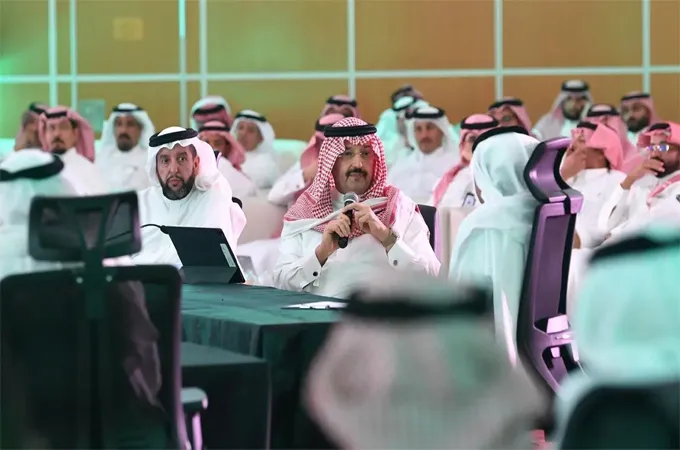
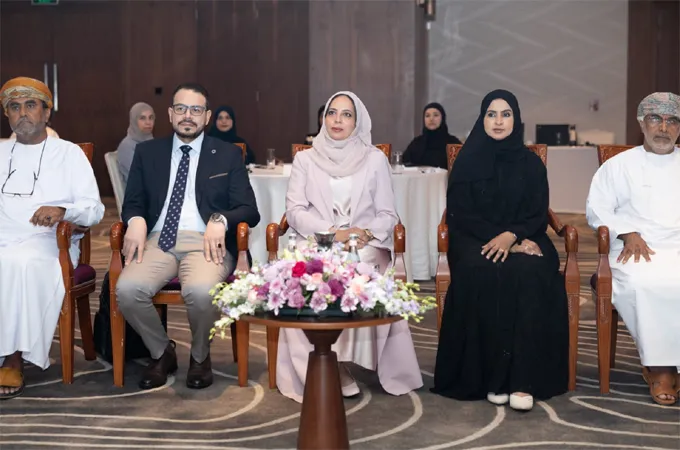
The figures were highlighted during the eighth Regional
Workshop on Innovation in Tourism Statistics, held in Muscat under the theme
“Innovation in Tourism Statistics: Data Integration and Trend Analysis.”
The two-day event brings together officials and 30
specialists representing the statistical authorities of GCC countries.
The workshop, organized by the GCC Statistical Center, aims
to strengthen regional cooperation on tourism statistics and improve the use of
data to measure the sector’s economic and developmental impact.
The GCC countries accounted for approximately 5% of
international tourist movements and 6.9% of global tourism receipts in 2025,
highlighting the region’s significant contribution to tourism value and visitor
spending.
The growth has also coincided with an average implementation
progress rate of 73.8% toward the objectives of the Gulf Tourism Strategy
through 2025.
In her address, Intisar Al Wahaibi, Director General of the
GCC Statistical Center, said tourism was experiencing sustained growth across
the GCC and had become a central component of national development plans and
strategies. She stressed that reliable tourism statistics are essential for
measuring the sector’s economic contribution, tracking its development and
supporting policy, investment and development decisions.
“Tourism statistics have become an indispensable tool for
measuring the sector's economic contribution, analyzing its trajectories, and
informing public policy, investment, and development decisions.”
The workshop focuses on improving the integration of tourism
data from multiple sources and assessing the suitability of different datasets
for statistical purposes.
Participants are examining requirements for data exchange,
including data linkage, matching, calibration and reconciliation methodologies.
Sessions also address ways to assess the quality,
consistency and comparability of tourism statistics and use integrated datasets
to identify trends and support tourism demand forecasting.
Discussions are covering the limitations of relying on a
single data source, the broader tourism data ecosystem and the legal,
institutional and technical requirements needed to facilitate data sharing
among GCC institutions.
Participants are also exploring statistical integration
approaches designed to improve the reliability and comparability of tourism
indicators across member states.
The GCC Statistical Centre said the workshop is intended to
provide a platform for exchanging specialist knowledge and practical experience
while identifying statistical gaps and data deficiencies across the region.
It will also seek to strengthen coordination between
authorities that produce tourism data and institutions that own relevant
datasets.
The workshop is expected to conclude with recommendations
aimed at improving the quality and methodological consistency of tourism
statistics across the GCC.
These efforts are intended to support more effective, evidence-based tourism policies and reinforce the sector’s role in sustainable economic development across the region. -TradeArabia News Service