DNV has called on the energy sector to treat infrastructure resilience as a strategic and societal necessity as geopolitical tensions, climate change, digitalisation, AI and supply chain dependencies create increasingly complex risks.
The independent energy expert and assurance provider unveiled its new “From concern to control” position paper at the ONS conference.
The report introduces a Resilience Framework designed to help energy organisations identify vulnerabilities, prioritise investments and strengthen preparedness, response and recovery.
Recent DNV Industry Insights research of more than 1,000 senior energy professionals found that more than half said their organisations lacked a clearly defined and regularly updated resilience strategy.
DNV said energy infrastructure increasingly faces interconnected threats, where failures or attacks in one area can cascade across supply chains, infrastructure, economies and societies.
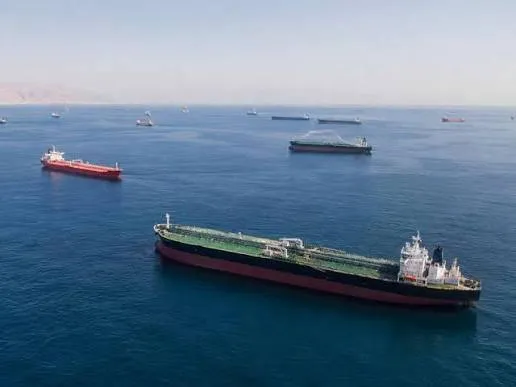
Examples include cyberattacks, damage to subsea gas pipelines and LNG facilities, and missile attacks targeting tankers.
Ditlev Engel, CEO at DNV Energy Systems, said: “As a sector, we must treat resilience as fundamental to everyday operations. Quite simply, it is a strategic and societal necessity as it protects our ability to provide energy that is reliable, affordable and sustainable. Without integrating security into core investment planning, organizations run the risk of suffering attacks that could impact the grid and other vital infrastructure and disrupt economic and societal stability.”
Engel said: “What we want to do is turn vulnerabilities into areas in which companies can have real confidence. Whether it is the public or private sectors, resilience must be embedded in every step of the energy value chain, or we risk accidents or attacks that could have serious consequences.”
The framework establishes a four-step cycle: analyse risks, prioritise investments, implement measures, and check and validate.
It applies across five areas: organisation, people, physical assets, IT and cyber, and supply chain.
Derek Riezebos, defence & security manager for Northern Europe, Energy Systems at DNV, said: “Risk and threats are constants in the energy sector, and few organizations can have complete visibility of their vulnerabilities. But understanding critical dependencies, reducing single points of failure and maintaining response, restart and recovery plans can help organizations move from concern to control.”
Riezebos added: Recent prolonged blackouts have demonstrated the cascading impact on transport, communications, hospitals and other critical services. Around the world, businesses and governments have a responsibility to ensure that energy systems are resilient and prepared for the worst. Threats to infrastructure are evolving faster than many organizations can adapt, making it increasingly important to ensure safeguards are at a sufficient standard to limit their impact.”
DNV said the framework is intended to support governments,
utilities, defence organisations and infrastructure owners in embedding
resilience into daily operations and investment planning. -OGN/TradeArabia News Service