Indirect talks between the United States and Iran concluded in Doha on Wednesday with only limited progress, as both sides agreed to suspend negotiations until after the funeral of Iran's late Supreme Leader Ayatollah Ali Khamenei.
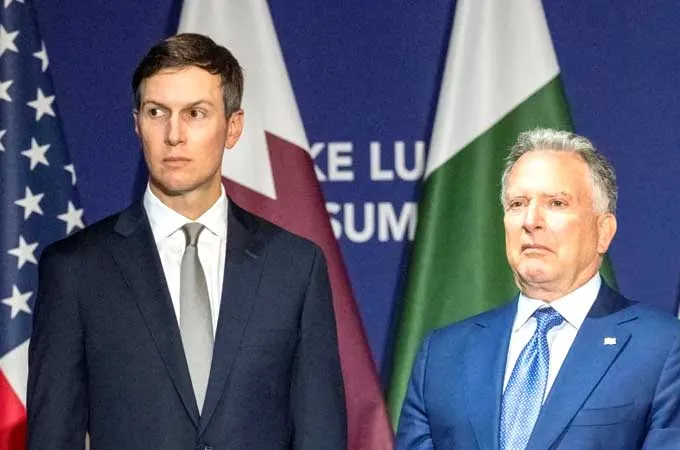
Qatar, which is mediating the talks along with Pakistan, said discussions over two days had made "positive progress" on issues related to the memorandum that ended hostilities in June and were building on the outcomes of an earlier summit in Switzerland. However, no breakthrough was announced, and officials gave few details on the substance of the negotiations.
Sources familiar with the talks said discussions focused primarily on maritime security in the Strait of Hormuz and the unfreezing of Iranian assets held abroad — two issues covered under the interim agreement reached two weeks ago. The next round of negotiations is expected after Khamenei is buried on July 9 following nationwide funeral processions expected to draw millions of mourners.
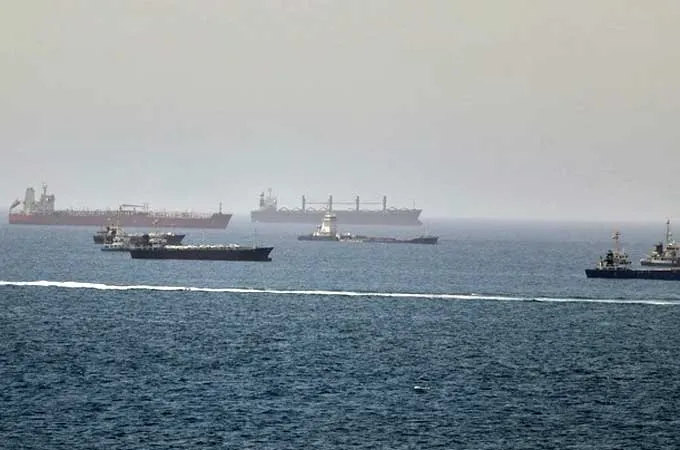
The future of shipping through the strategically vital Strait of Hormuz remained one of the central issues. According to Axios, US negotiators sought to persuade Iran not to impose tolls on vessels transiting the waterway, while Iranian officials maintained that discussions centred on the release of frozen Iranian funds. Tehran has meanwhile issued a fresh directive requiring ships to follow Iranian-designated routes through the strait, keeping regional shipping markets on edge.
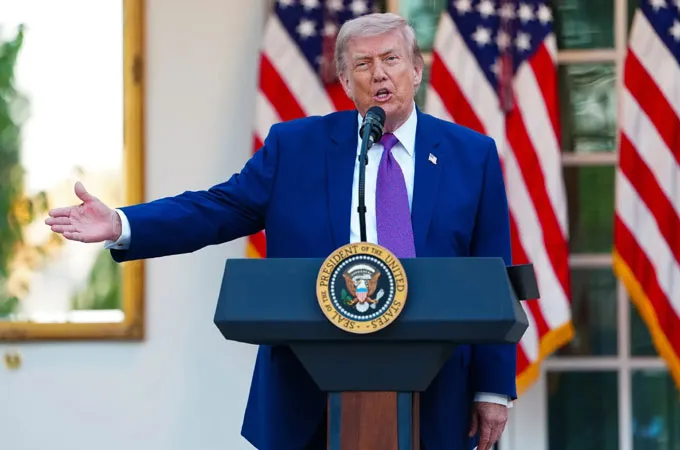
US President Donald Trump struck an optimistic tone, telling reporters that efforts to curb Iran's nuclear programme were "moving along well" and that the two sides had held "very good meetings." However, sources familiar with the negotiations said the nuclear issue was not discussed in Doha, describing the talks as largely technical. Vice President JD Vance later said nuclear negotiations would begin at a later stage.
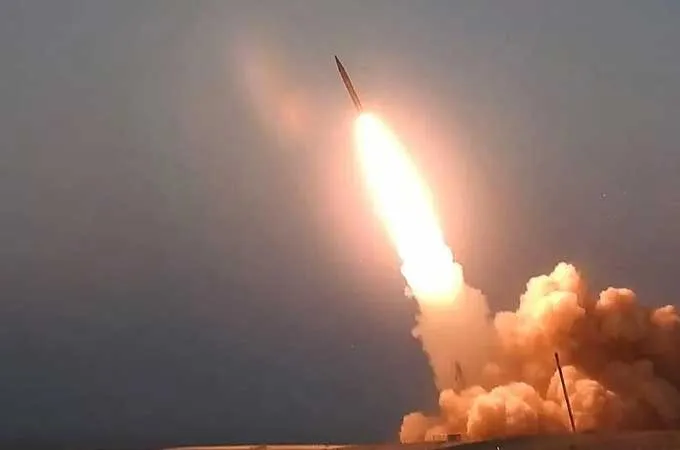
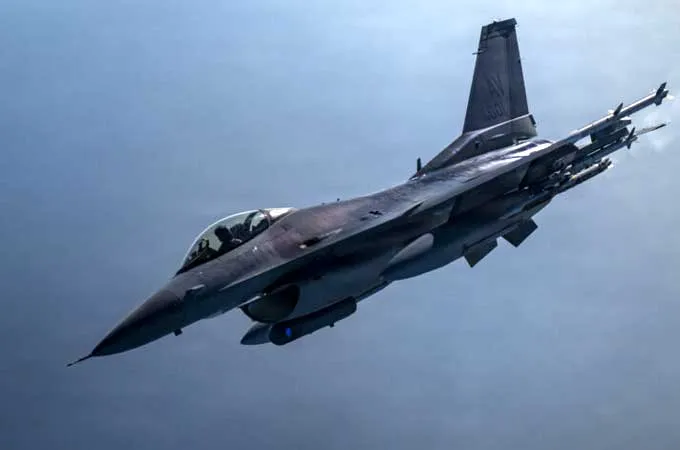
Military activity in the region has nevertheless continued. The US Central Command announced that a second Marine Expeditionary Unit, comprising more than 2,000 Marines, has been deployed to the Middle East, joining the amphibious assault ship USS Tripoli and its accompanying forces already operating in the region.