The heads of four major global economic institutions warned on Friday that the war in the Middle East is posing growing risks to the world economy, with disruptions to oil shipments through the Strait of Hormuz driving down global inventories and threatening energy security ahead of peak summer demand.
In a joint statement issued after a high-level coordination meeting, the leaders of the International Energy Agency (IEA), International Monetary Fund (IMF), World Bank Group and World Trade Organization (WTO) said the conflict was creating "substantial and highly asymmetric impacts" on energy supplies, food security and economic activity across regions.
The meeting was part of a coordination group established in April to align the institutions' response to the economic, trade and energy consequences of the war.
While the global economy has so far demonstrated resilience, the organisations said the burden of the conflict was falling disproportionately on vulnerable economies through higher fuel and fertilizer costs, increased uncertainty and mounting pressure on jobs and livelihoods.
"At the same time, global oil inventories are being drawn down at a record pace in response to the major loss of supply through the Strait of Hormuz," the statement said.
The institutions warned that if shipping disruptions persist, the continued depletion of oil stocks ahead of the Northern Hemisphere's peak summer demand season could heighten risks to fuel security, tighten market conditions and undermine broader economic stability.
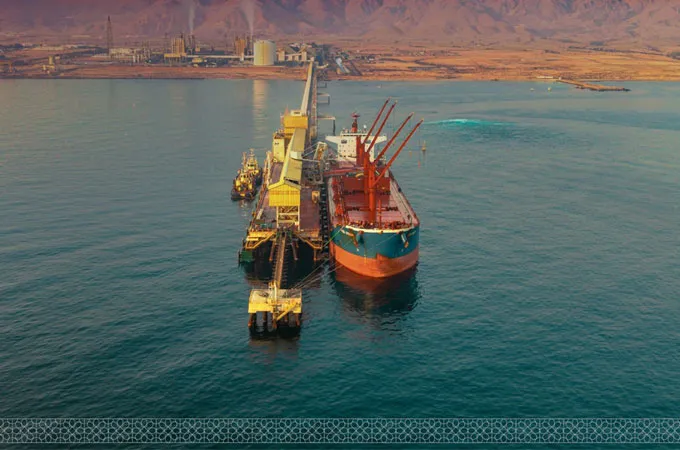
The Strait of Hormuz, a critical maritime chokepoint linking Gulf oil producers to global markets, handles roughly a fifth of the world's oil consumption and is vital for energy exports from major producers in the Middle East.
The organisations also highlighted concerns over rising fertilizer prices, warning that higher costs could affect agricultural production in many countries as planting seasons begin, potentially adding to food security challenges and inflationary pressures.
The four institutions said they were closely monitoring developments in energy, trade and fertilizer supply chains, as well as government policy responses aimed at cushioning the economic impact of the conflict.
They added that they were coordinating multilateral and bilateral support measures for the countries most affected and would continue working together to safeguard global economic stability as the situation evolves.
The International Energy Agency was established in 1974 to help member countries coordinate responses to major oil supply disruptions and has since expanded its role to encompass global energy security and market stability. -TradeArabia News Service