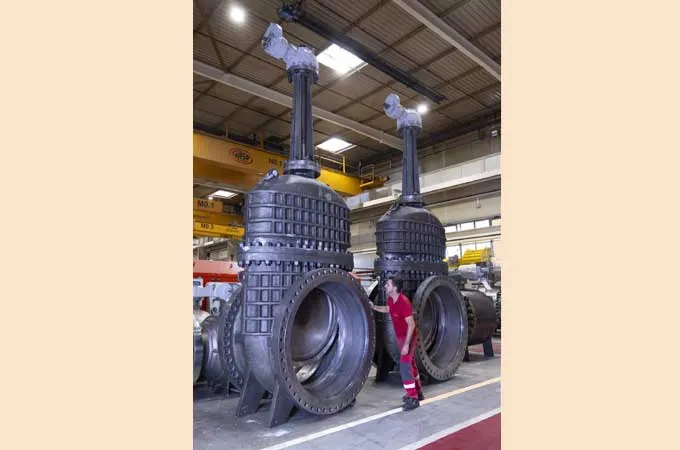
The $3 billion low-carbon steel project being developed by Jindal Steel in Duqm Special Economic Zone has moved into the equipment installation stage following the arrival of a key reactor at the Port of Duqm, marking a major construction milestone for one of the region’s largest green steel investments.
The 935-metric-tonne reactor, delivered and handled by Kanoo Shipping, signals the transition from heavy civil construction to the fitting of core process equipment at the site. The first phase of the project is expected to begin operations in early 2027, according to company officials.
Jindal Steel Duqm, a unit of India’s Naveen Jindal Group, is building a low-carbon steel complex with annual production capacity of 5 million tonnes in Duqm. The project is designed around two direct reduced iron (DRI) plants, each capable of producing 2.5 million tonnes a year, using gas-based technology aimed at reducing carbon emissions compared with conventional blast furnace steelmaking.
The DRI units will deploy Energiron technology developed by Italian engineering groups Tenova and Danieli Group, which uses natural gas or hydrogen to convert iron ore into high-purity metallic iron, eliminating the need for coal in the reduction process.
The technology package for the second DRI plant was confirmed last year, featuring zero-reformer Energiron design intended to achieve a metallisation rate of 94%, while integrating carbon capture systems to support the project’s low-emission steel strategy.
Harssha Shetty, CEO of Jindal Steel Oman, said in a recent interview with The Energy Year that the company had completed key procurement milestones and secured long-lead equipment needed to keep the project on schedule.
“Our green steel project in Al Duqm will be operational by Q1 2027. We have already made significant progress toward key milestones, placed all long-lead item orders, and completed payments to contractors. With the right partners now onsite, we are on track to begin production within the next 15 months,” he said.
The project is expected to draw on Oman’s natural gas resources and expanding renewable energy capacity, including future hydrogen integration, as the country positions itself as a regional hub for low-carbon industrial production.