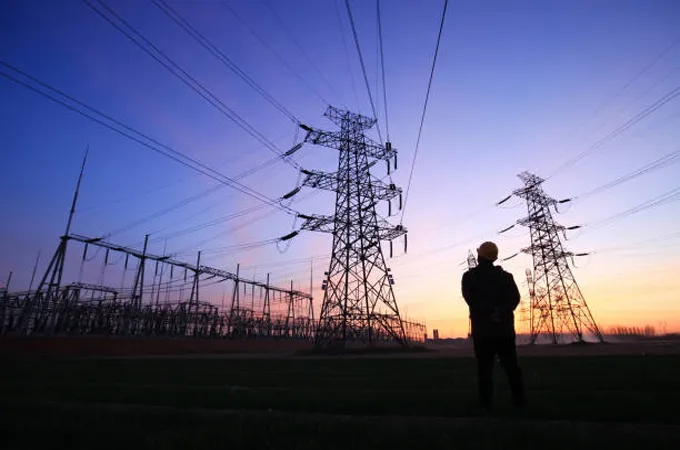
Faster electrification of the global economy could strengthen energy security, improve competitiveness and reduce emissions, with cost-effective technologies potentially bringing a proposed global target of 35 per cent electrification within reach by 2035, according to a new International Energy Agency (IEA) report.
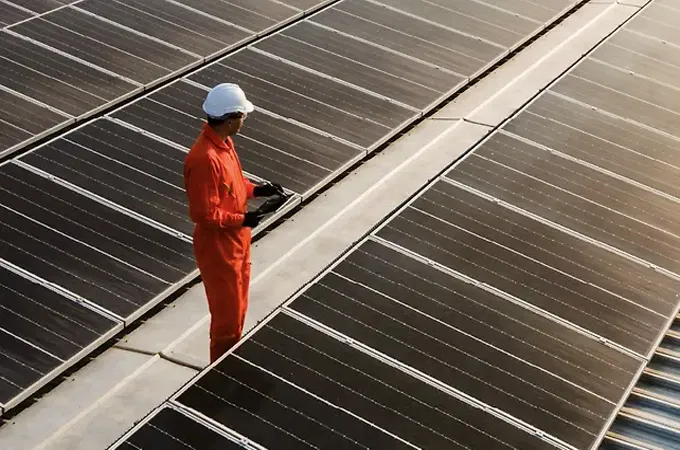
Emirates Water and Electricity Company (EWEC) has outlined plans to expand the UAE’s cleaner energy and water systems, forecasting a more than 45 per cent reduction in related carbon emissions by 2035 despite rising electricity demand.
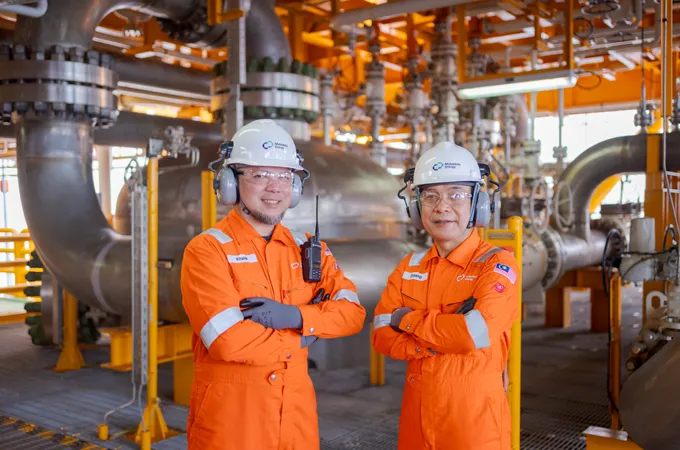
Mubadala Energy has reported significant ESG progress in its 2025 Sustainability Report, including a 30.9 per cent reduction in Scope 1 and 2 emissions. Average emissions intensity fell 12.4 per cent, while flared gas intensity declined 33.9 per cent across operated assets.
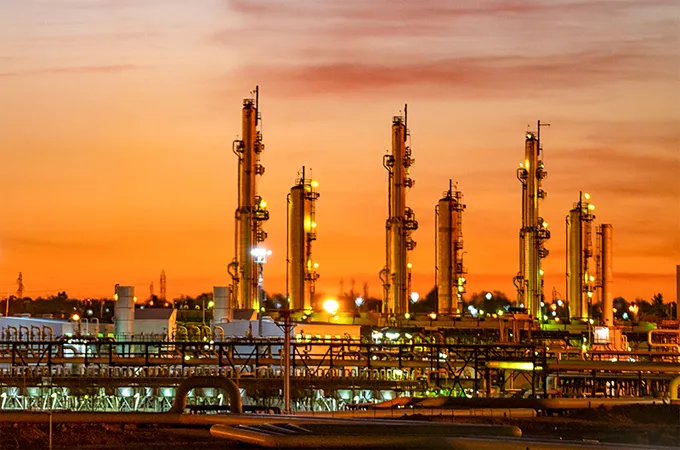
Eni and Sonatrach have signed a new Memorandum of Intent to expand cooperation on decarbonising Algeria’s oil and gas sector and reducing emissions in line with international best practices.
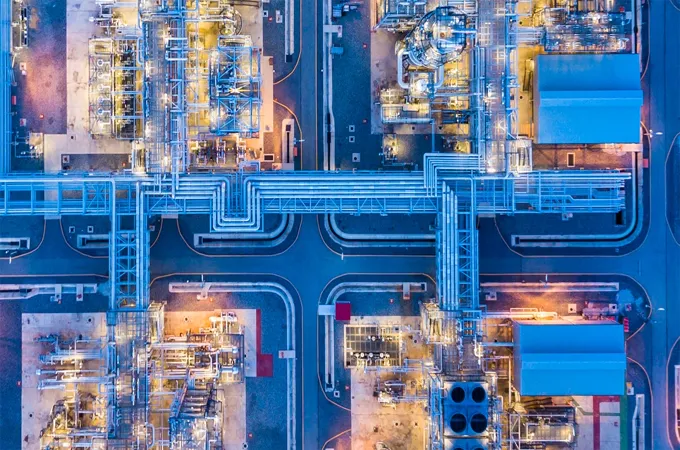
Methane emissions from fossil fuels remain near record highs in 2025, with little global decline. IEA analysis shows proven abatement measures could free 200 billion cubic metres of natural gas annually and enhance energy security. Some countries are progressing, and the Middle East crisis highlights added benefits.
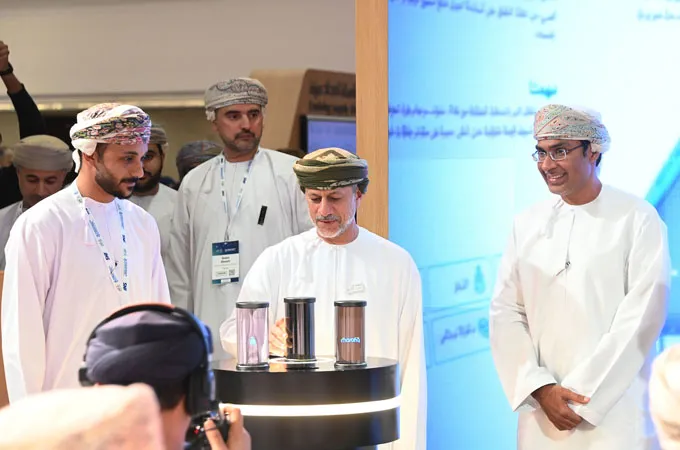
OQ Group’s 2026 Sustainability Report highlighted progress in renewable energy, emissions reduction and local value creation, including over 2,000MW renewable capacity, achievement of 2025 emissions targets, automated emissions tracking systems and a 24 per cent increase in local value retained in Oman.
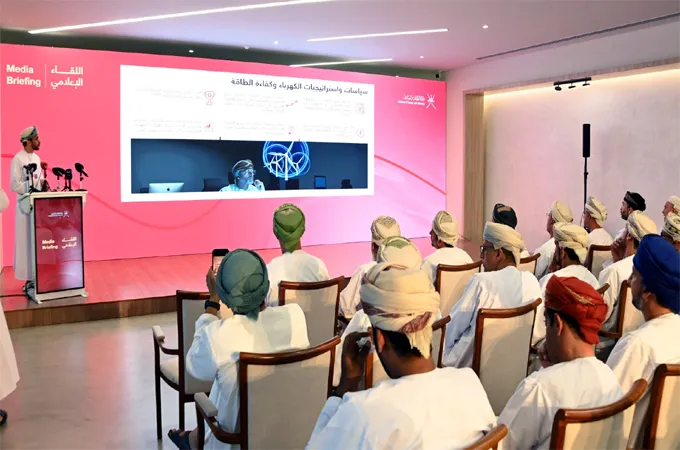
Oman unveiled updated net-zero and carbon market framework targeting carbon neutrality by 2050, aiming for 33 per cent emission reduction by 2035 across seven sectors, boosting green hydrogen, renewables, investment, and low-carbon GDP growth.
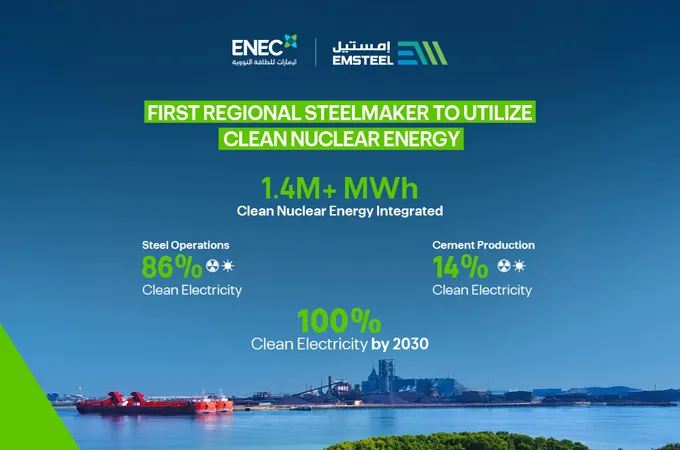
Emsteel Group is partnering with Emirates Nuclear Energy Company (ENEC) to decarbonise steel production by using nuclear-generated electricity certified under Abu Dhabi’s I-REC programme, supporting its TrueGreen sustainability strategy and reducing its carbon footprint through decades of integrated decarbonisation initiatives.

Acting together, countries, companies and international initiatives can harmonise standards, aggregate demand and mobilise finance in ways that are nearly impossible to achieve in isolation, according to the latest Breakthrough Agenda report.
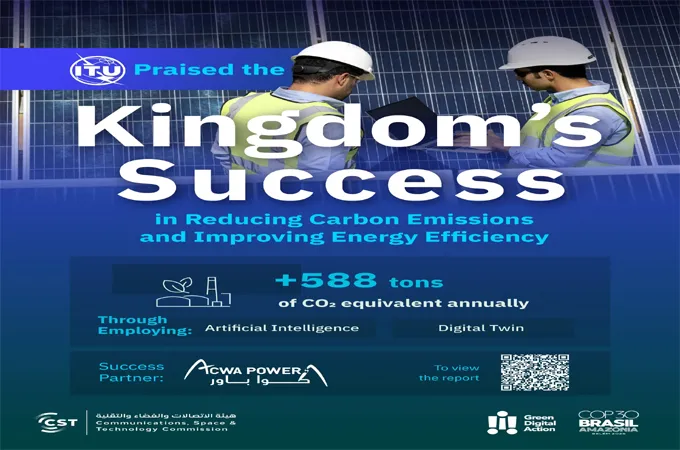
The International Telecommunication Union (ITU) praised Saudi Arabia’s success in leveraging Artificial Intelligence (AI) to reduce emissions by more than 588,000 tonnes of carbon equivalent annually and to improve energy and water efficiency, through ACWA Power’s Monitoring and Prediction Centre (MPC).