Saudi Arabia has condemned in strongest terms the targeting of civilian and economic assets in Abha, Khamis Mushait, Jazan and Najran by terrorist Houthi militia, which resulted in injuries to 73 civilians, including women and children.
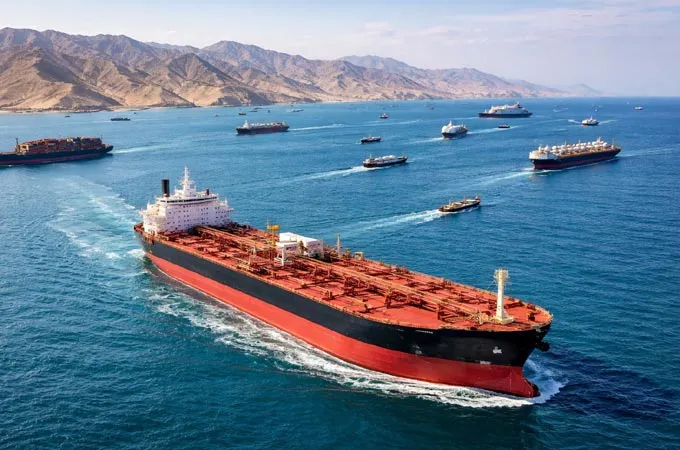
Gulf tensions remain high despite signs of diplomatic progress over the Strait of Hormuz, with Saudi Arabia warning of imminent coordinated attacks by Iran-backed militias even as Tehran and Muscat move closer to an agreement aimed at restoring commercial shipping through the strategic waterway.

The United States and Iran have entered a new phase of their confrontation after US forces struck Iranian rocket launchers near the Strait of Hormuz and Tehran retaliated with missile and drone attacks against US military bases in Jordan, marking the first direct escalation between the two sides in more than a month.

US President Donald Trump has announced that he is cancelling planned military strikes against Iran, saying significant progress in negotiations has created an opportunity for a broader agreement aimed at easing tensions in the Middle East.
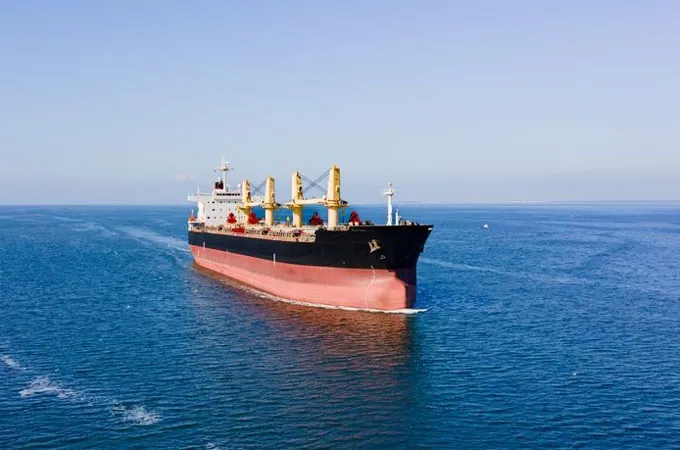
The International Association of Dry Cargo Shipowners (Intercargo) warned that attacks on merchant vessels have increased in recent months and called upon governments and parties to armed conflicts to take concrete steps to halt such attacks and ensure the safety of their crews.
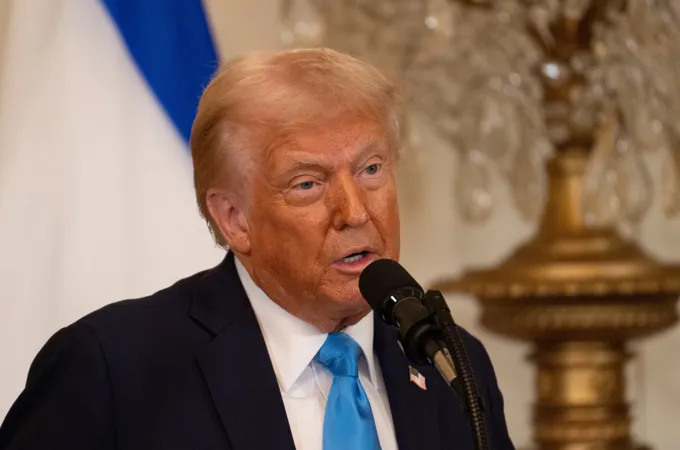
US President Donald Trump said on Wednesday that the interim agreement between the United States and Iran aimed at ending weeks of hostilities was effectively "over," following a sharp escalation in military exchanges across the Gulf that has further rattled global energy markets and disrupted shipping through the Strait of Hormuz.
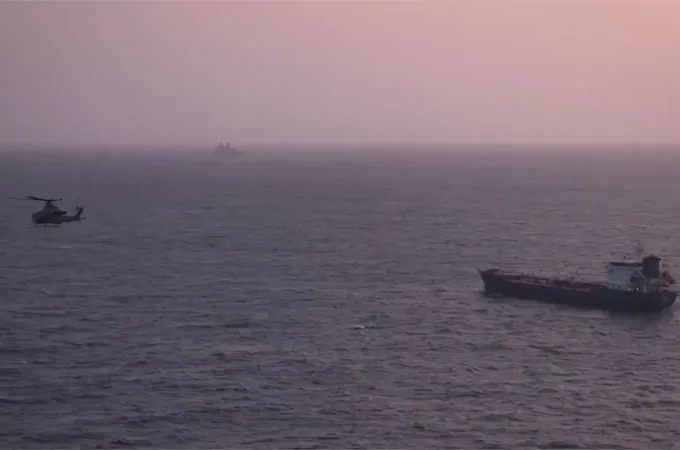
Attacks on commercial shipping resumed in the Strait of Hormuz, with two vessels struck in separate incidents that have heightened fears over the security of the shipping lane and threatened to derail recent diplomatic efforts to reduce tensions.
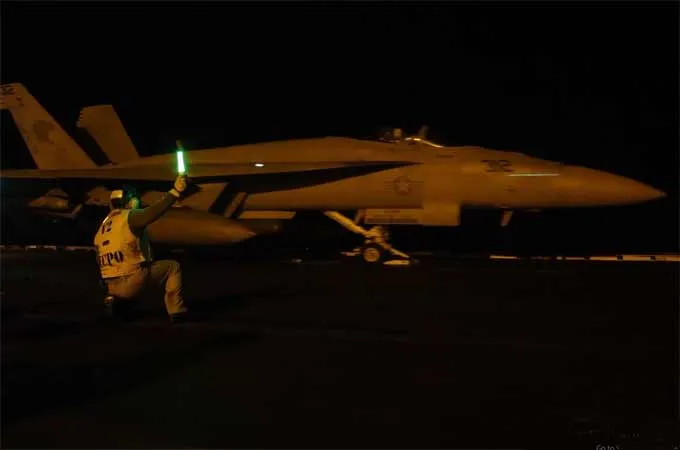
The United States launched a heavy wave of airstrikes against Iran late on Wednesday, marking the most significant direct attack on Iranian territory in days and sharply escalating a conflict that is increasingly threatening regional security, global energy supplies and international shipping.

The Middle East conflict entered a new phase over the weekend as the United States paused its bombing campaign against Iran after 13 consecutive nights of strikes, while violence shifted to the Red Sea where Iran-backed Houthi rebels targeted Saudi commercial assets, prompting retaliatory military action by Saudi Arabia.

The United States and Iran exchanged a fresh wave of military strikes for a sixth consecutive night, deepening fears of a wider regional conflict as Tehran prepared to expand its pressure on global energy supplies by threatening to shut another critical maritime chokepoint at the entrance to the Red Sea.