Crude oil prices surged for a fourth consecutive session on Wednesday, with Brent approaching the psychologically important $100-a-barrel threshold as a fresh escalation in the US-Iran conflict heightened fears of prolonged disruptions to oil supplies from the Gulf.
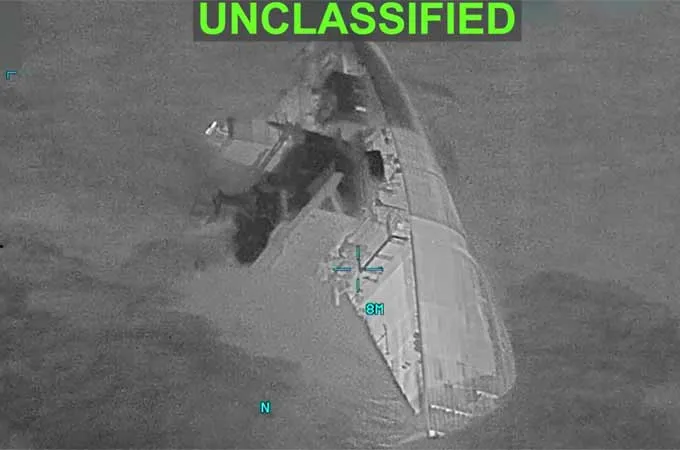
Iran has warned that any further US attack will trigger a “faster, heavier and more painful” response, as Tehran said it will impose tighter control over shipping around the Strait of Hormuz following the latest US strikes on Iranian oil tankers.
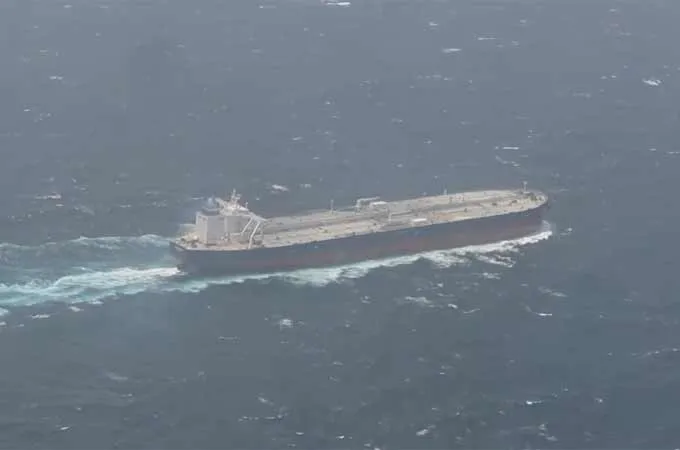
The US military escorted 40 commercial vessels carrying about 18 million barrels of oil through the Strait of Hormuz on Tuesday, a wartime record, as Washington and Tehran traded their heaviest blows in weeks, CNN reported, citing two US officials familiar with the operation.
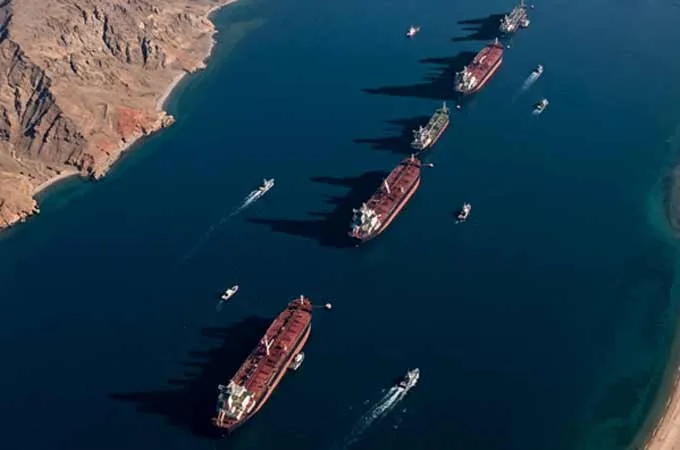
US President Donald Trump has rejected an Iranian proposal to reopen the Strait of Hormuz within seven days and resume nuclear negotiations, dealing a setback to diplomatic efforts to end the seven-month conflict and restore shipping through the vital waterway.
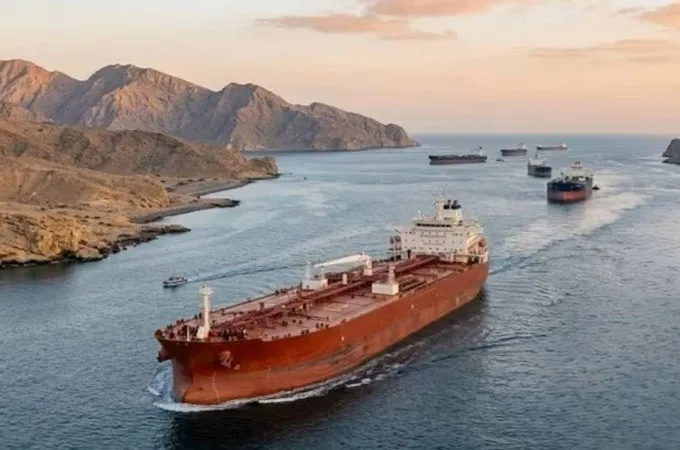
US forces had supported the safe transit of more than one billion barrels of crude oil through the Strait of Hormuz over the past two months, said its top official, adding that they had facilitated the transit of more than 2,000 commercial vessels through the Strait with “co-ordinated protection”.

The global economy has proved more resilient than expected in the face of the energy supply shock triggered by the conflict in the Gulf, with global growth for 2026 holding at around 3%, International Monetary Fund Managing Director Kristalina Georgieva said.
The Saudi Ministry of Foreign Affairs has condemned Iran's targeting of the Saudi tanker Sidr while it was transiting the Strait of Hormuz, which resulted in fatalities among the crew.
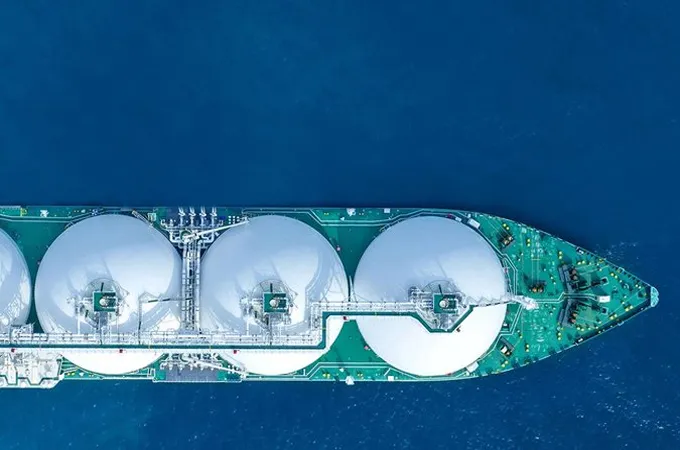
LNG buyers are preparing to significantly reshape procurement strategies in response to disruption in the Strait of Hormuz, with greater supply diversification and stronger contractual protections emerging as key priorities, according to a new McKinsey survey.

Iran and Oman have moved closer to an agreement on reopening the Strait of Hormuz to commercial shipping, with both sides agreeing on the geographical coordinates of a proposed safe navigation corridor, even as conflicting messages over possible US-Iran negotiations continue to cloud prospects for a broader diplomatic breakthrough.

Oil prices remained under pressure on Tuesday after suffering steep losses over the previous two sessions, as growing optimism over a potential breakthrough in US-Iran diplomacy raised hopes that the Strait of Hormuz could soon be reopened to normal shipping, easing fears of disruptions to global crude supplies.