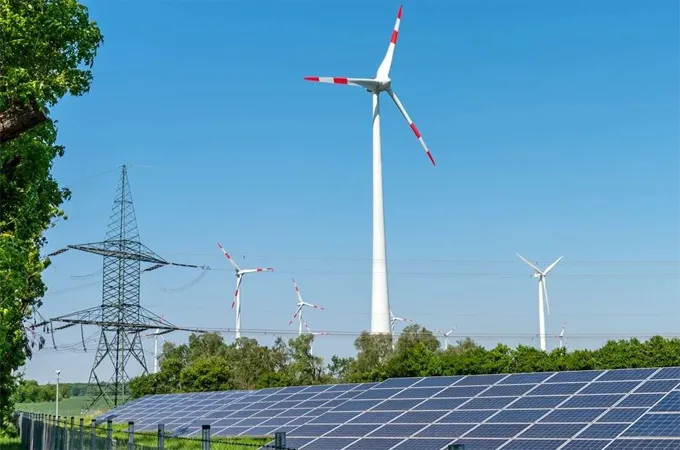
Global renewable capacity hit 5.15 terawatts in 2025, driven by a record 693 gigawatts of new additions. However, a new report warns that annual growth must nearly double to 1,200 gigawatts to achieve the 2030 target of 11.2 terawatts, according to a new report released during Climate Week NYC.

Egypt is stepping up cooperation with Abu Dhabi Future Energy Company (Masdar) to accelerate a pipeline of solar, wind and battery-storage projects as Cairo seeks to raise the contribution of renewable energy to 45% of its electricity mix by 2028.
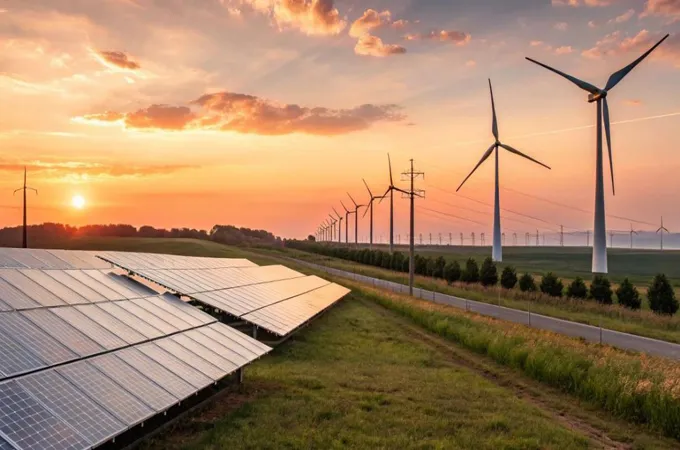
Renewable energy continued to be the most cost-competitive source of new electricity generation in 2025, with more than 90 per cent of newly added utility-scale renewable capacity proving cheaper than the lowest-cost new fossil fuel alternatives, according to a report by the International Renewable Energy Agency.

The next edition of Libya Energy & Economic Summit (LEES) will expand Libya’s investment pipeline across hydrocarbons, renewables and infrastructure while deepening international participation following record deal activity in 2026.
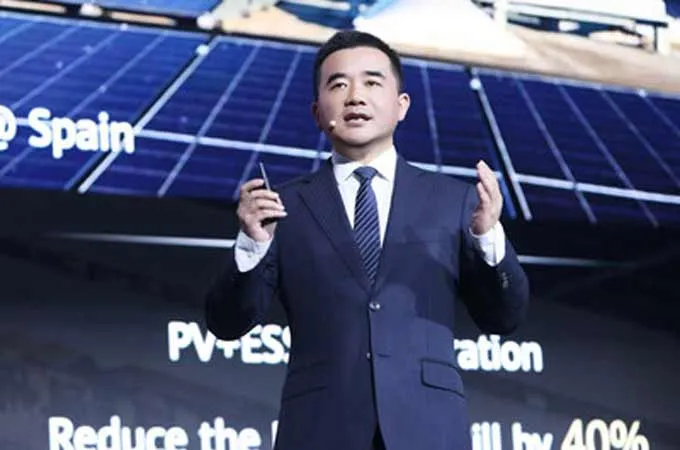
Huawei has announced its strategic focus on grid-forming, integrated solutions that reinforce grid stability to support high renewable penetration in Europe.

The clean energy production capacity of Dubai Electricity and Water Authority (DEWA) now accounts for more than 21.5% of its total energy production capacity, said Saeed Mohammed Al Tayer, MD and CEO of DEWA.
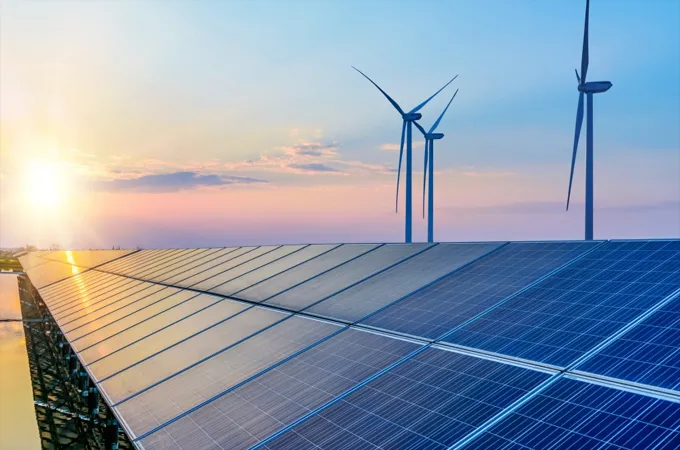
EU energy supply shifted toward cleaner sources in 2025, with gas up 2.3 per cent and renewables up 1.4 per cent, while coal and petroleum declined. Renewables remained the largest electricity source at 47.2 per cent, according to Eurostat.
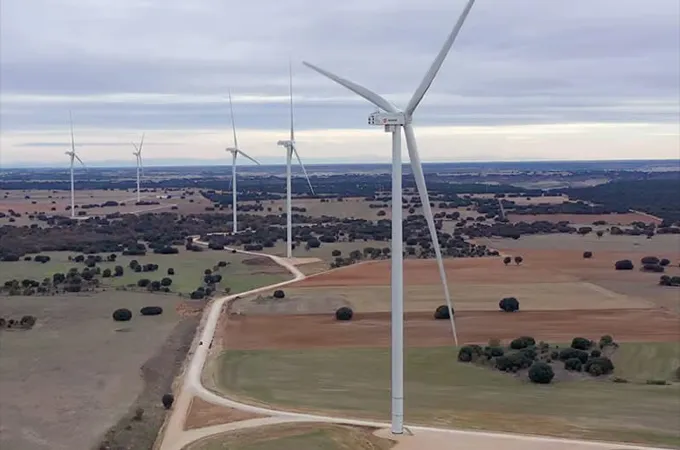
Spanish energy company Repsol and Abu Dhabi-based renewable energy developer Masdar have signed an agreement under which Masdar will acquire a 49.99% stake in a renewable energy portfolio in Spain.

Freudenberg Group has expanded its energy portfolio by acquiring Balmoral Comtec, strengthening its Flow Technologies business in sealing and connector systems for global energy markets spanning offshore oil, gas and renewables industries worldwide.
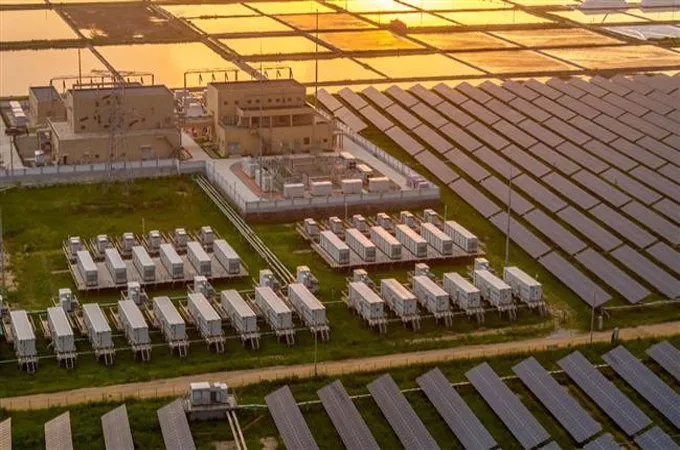
According to the International Renewable Energy Agency, solar and wind paired with battery storage provide reliable, cost-effective 24/7 electricity. In prime regions, hybrid renewable systems deliver continuous power at lower costs than fossil fuels.