In a world increasingly shaped by supply constraints, the GCC is shifting from a beneficiary of scarcity to a provider of the energy, capital, and infrastructure that underpin global growth, says a new BlackRock report.
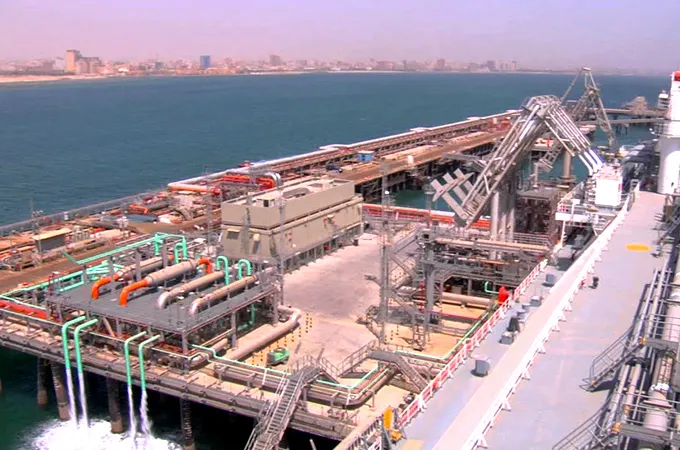
Indian construction and engineering conglomerate Larsen and Toubro (L&T) has secured a major contract worth KD303.5 million ($992 million) from Kuwait Oil Company for the construction of export crude storage facilities as well as providing key upgrades to its key energy infrastructure.
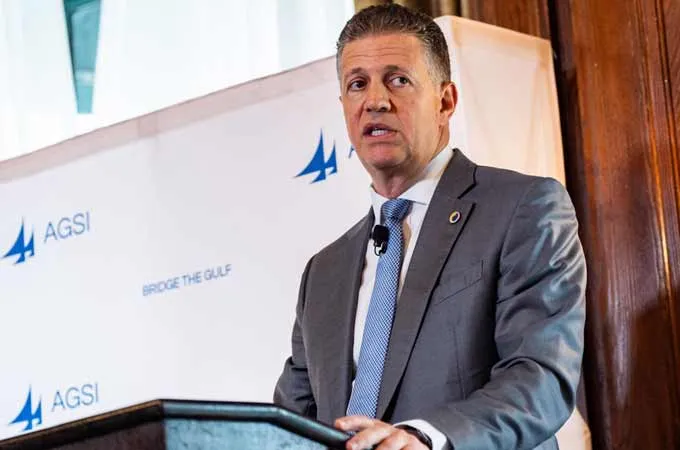
The disruption to shipping through Strait of Hormuz is not just energy shock, but a whole economy story; and while direct damage to energy infrastructure exceeds $60 billion, lost revenue and trade loss will be above $150 billion, Crescent Petroleum CEO has said.

Swedish conglomerate Alfa Laval has appointed Alban Hohmann‑Schauly as its new Vice President of Energy unit for the Middle East, South & East Africa region. With over 16 years global experience in the energy and digital infrastructure, Alban has built a strong track record in market analysis and customer segmentation.

SLB has been awarded a seven-year contract by Kuwait Oil Company under the Ahmadi Innovation Valley initiative, supporting research, digital innovation and deployment of technologies including AI, IIoT, reservoir management and energy transition solutions.
Venezuela will host its largest international energy investment summit from October 26–29 in Caracas, bringing together US, Venezuelan and international oil companies, investors, financiers and technical service providers to advance near-term investment opportunities across the country’s reopening energy sector.
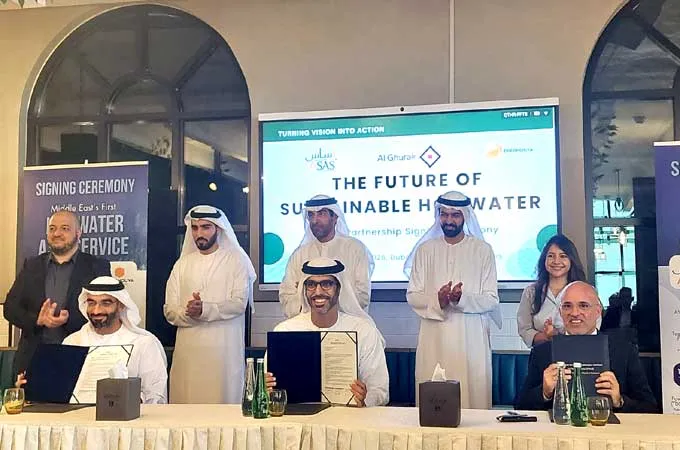
Manor by JA hotel has announced that it has successfully implemented a first-of-its-kind project in the Middle East in partnership with ASAS, Al Ghurair and Enernouva to reduce energy consumption in its heating systems by up to 80%, without requiring any upfront capital investment by the hotel.
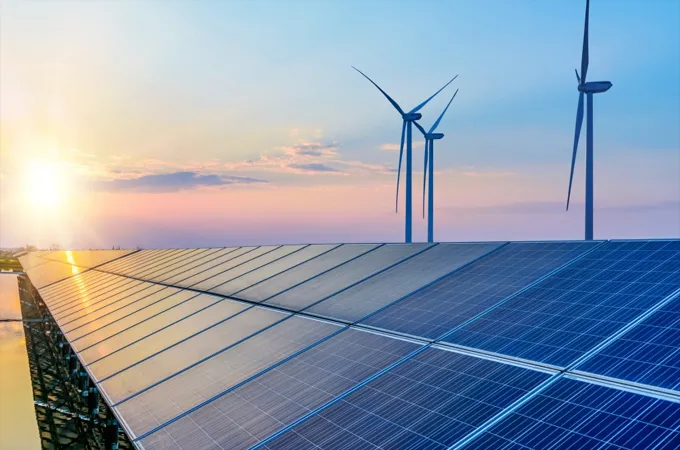
EU energy supply shifted toward cleaner sources in 2025, with gas up 2.3 per cent and renewables up 1.4 per cent, while coal and petroleum declined. Renewables remained the largest electricity source at 47.2 per cent, according to Eurostat.
A global report warns the world is off track for universal energy access by 2030, with 655 million lacking electricity and two billion using polluting cooking fuels. Sub-Saharan Africa is most affected.

Vision Golfe 2026 brought together more than 1,200 participants, five ministers, senior government officials and business leaders in Paris this week, reinforcing its position as the leading platform for economic cooperation between France and the Gulf Cooperation Council (GCC).