Türkiye is entering a pivotal phase in the development of its energy sector, with strong economic and population growth driving rising electricity demand and increasing the need for investment in infrastructure, flexibility and energy efficiency, according to a new review by the International Energy Agency (IEA).
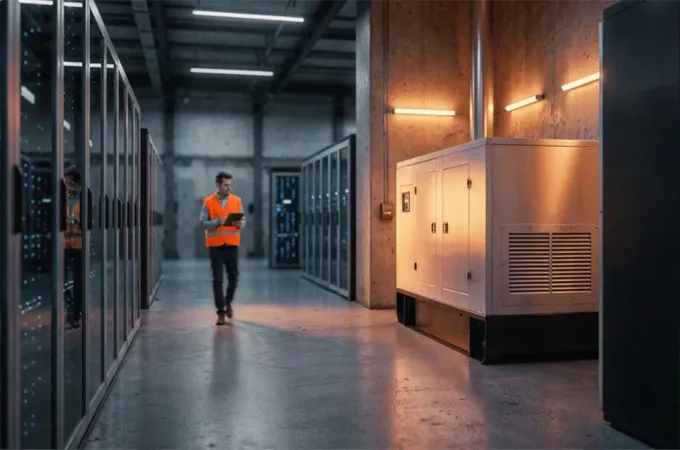
The rapid growth of artificial intelligence (AI) and data centres is reshaping energy demand and increasing the focus on flexible generation, energy storage, critical power and smart energy management, according to Mark Ring, Group Director of Middle East Energy.
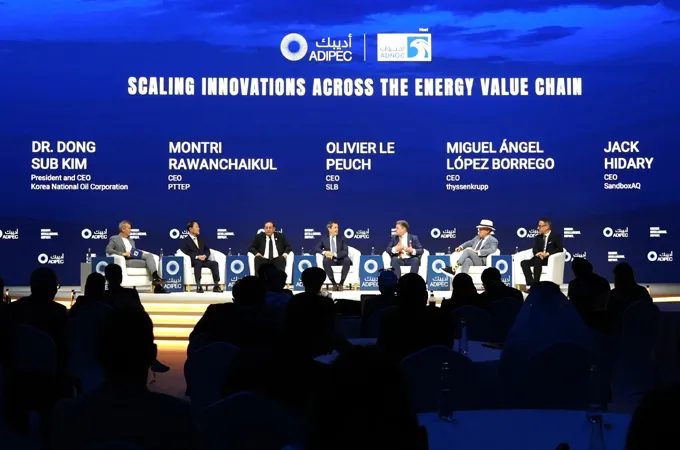
ADIPEC 2026 is set to welcome its strongest-ever participation from Asia, with 353 companies and six national pavilions from China, India, Japan, Malaysia, Singapore and South Korea joining the event in Abu Dhabi from November 2-5.
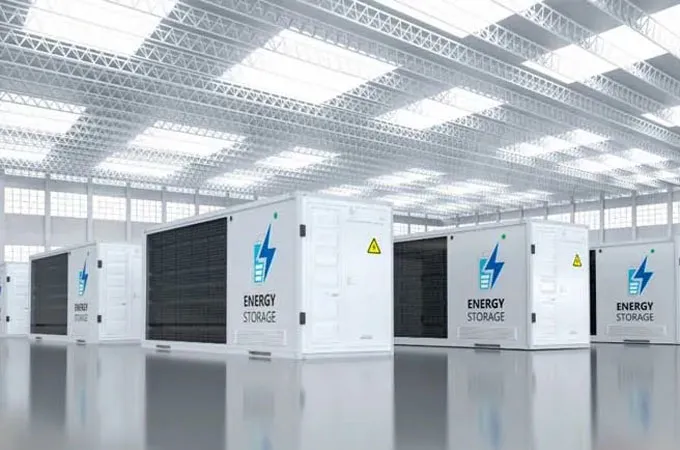
Saudi Arabia has awarded China’s Gotion High-Tech 6 GWh of capacity under its first utility-scale battery energy storage programme, as part of the $1.16 billion G1 project, thus marking a major step in its drive to expand energy storage capacity and support its Vision 2030 energy transition goals.
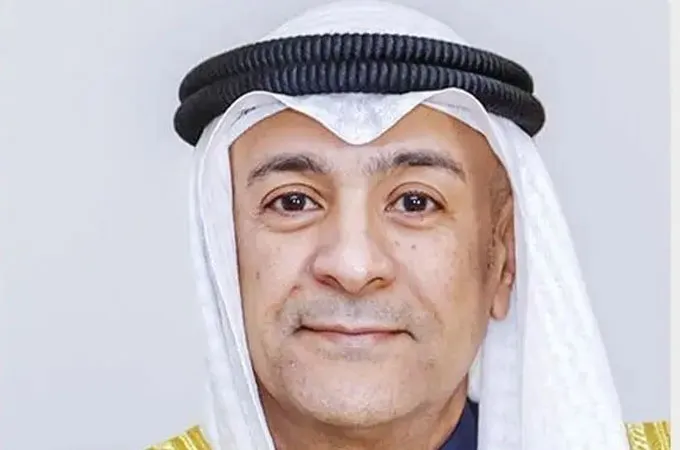
Advancing regional convergence and connectivity across energy, trade, transport and the digital economy constitutes a vital pathway to support economic growth.
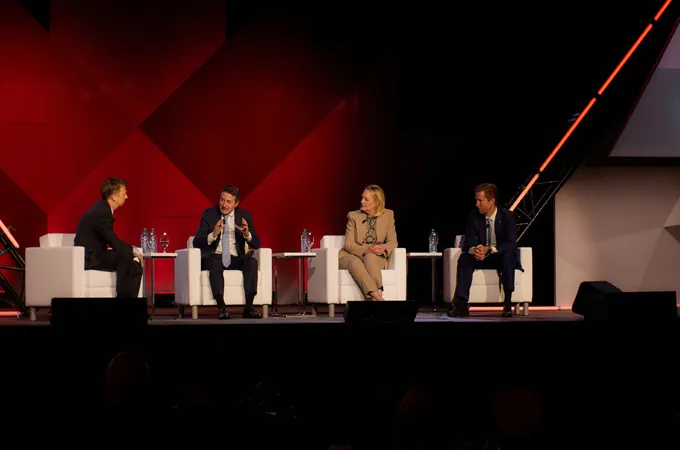
The 25th WPC Energy Congress will bring together energy ministers, industry executives, policymakers and global energy leaders in Riyadh from October 11–15, 2026, under the theme “Pathways to an Energy Future for All.”
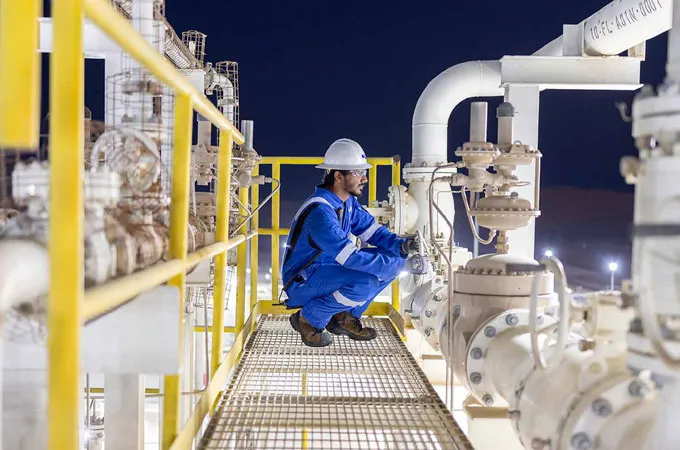
Global energy technology company SLB has announced that it has secured a major EPC contract from Omani group OQ Exploration & Production (OQEP) for the expansion of the sultanate's Bisat-B Production Facility. The entire project is scheduled for completion within 19 months.
The value of the European Union’s petroleum oil imports surged 55.8 per cent in the second quarter of 2026, while volumes remained broadly stable, rising 1.2 per cent to a monthly average of 36.7 million tonnes, according to Eurostat.

US President Donald Trump has proposed a $10 billion fund to rebuild war-damaged energy infrastructure and develop oil and gas export routes that bypass the Strait of Hormuz, with $5 billion in US funding and a matching $5 billion contribution from Gulf and other regional partners.

Surging electricity demand from AI, data centres, and industrial electrification is colliding with geopolitical instability, infrastructure constraints, and persistent energy gaps, according to the World Energy Council’s 2026 World Energy Trilemma report.