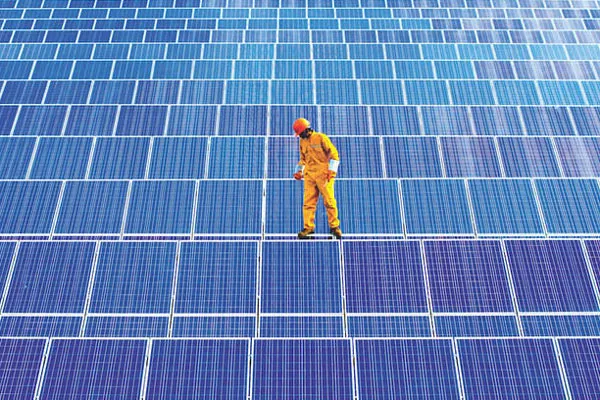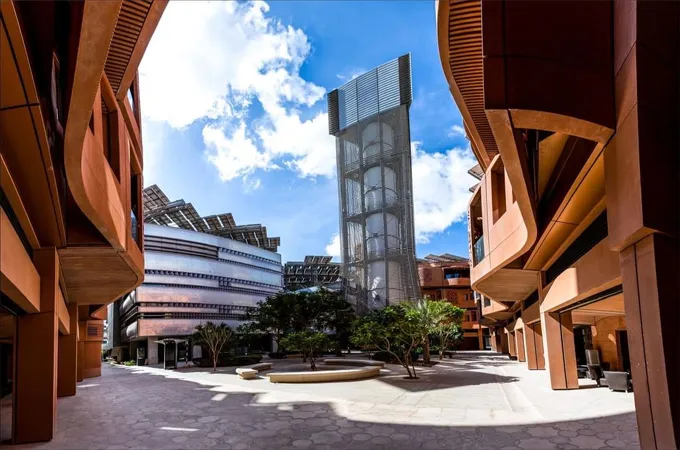
Masdar City generated 10,797 megawatt-hours (MWh) of renewable energy in 2025, including 9,906 MWh exported to the electricity grid, as Abu Dhabi’s sustainable urban development and business hub stepped up efforts to support the UAE’s Net Zero 2050 ambitions.
The figures were highlighted in Masdar City’s 2025
Environmental, Social and Governance (ESG) Report, which outlines progress in
renewable energy generation, energy efficiency, emissions reduction, waste
management and sustainable urban development.
The report also revealed that the city achieved a 42 per
cent reduction in energy use intensity against the ASHRAE 90.1-2007 baseline,
while renewable electricity exported to the grid helped avoid 2,517 tonnes of
carbon dioxide equivalent (tCO₂e) emissions. This is equivalent to removing 584
gasoline-powered vehicles from the road for one year.
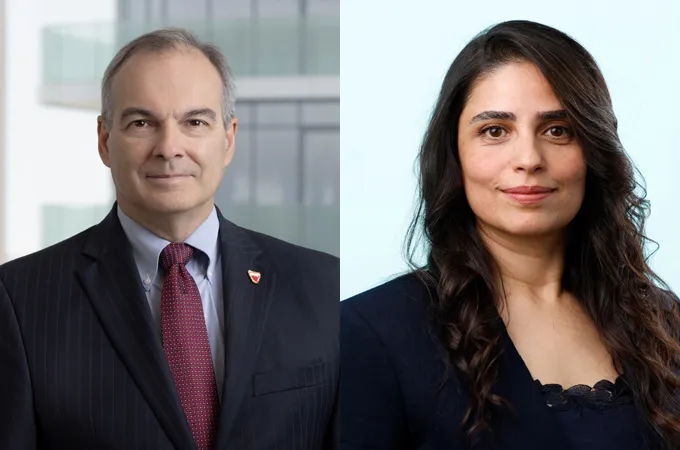
Commenting on the report, Ahmed Baghoum, Chief Executive
Officer of Masdar City, said: “Sustainability must be measured not only by the
ambitions we set, but by the results we deliver. At Masdar City, we are
translating that ambition into action across our built environment, operations
and business ecosystem, demonstrating how resource efficiency, innovation and
economic competitiveness can reinforce one another.
Our ESG progress reflects our commitment to building a
community that creates lasting value for businesses, residents and Abu Dhabi’s
wider economy.”
Renewable energy at the heart of development
Renewable energy and resource efficiency remained central to
Masdar City's urban development strategy during 2025, with several projects
demonstrating how clean energy solutions can be integrated into everyday
infrastructure.
A key milestone was Masdar City Mosque, Abu Dhabi's First
Net Zero Energy Mosque, which generates 100 per cent of the energy it consumes
on site through renewable sources.
The city also continued developing its agrivoltaics project,
which combines solar power generation with food production on the same land,
demonstrating the potential to optimise land use while supporting renewable
energy and agricultural production.
Other developments include Connect Park, which provides
green recreational spaces for residents, and Falaj Plaza, which combines
Emirati heritage with low-carbon design.
Environmental performance extended beyond energy generation.
Masdar City diverted 93.6 per cent of its operational waste and 93.5 per cent
of construction waste from landfill in 2025. Its parks and open spaces covered
295,089 square metres, supporting biodiversity and community well-being.
Together, these initiatives form part of the city's wider
approach to integrating sustainability into buildings, infrastructure and
public spaces.
Clean technology and business growth
Alongside its environmental progress, Masdar City continued
expanding its business ecosystem through the Masdar City Free Zone, which
reached 1,991 registered companies in 2025.
The Free Zone recorded a 33 per cent increase in jobs
created during the year and opened its first international representative
office in China, strengthening its international reach. It also received nine
industry awards.
Businesses and research institutions operating within the
ecosystem are active across artificial intelligence, life sciences, smart
mobility, agritech, energy and space technology.
The report highlighted organisations including the UAE Space
Agency, Unikie, MBZUAI, Insilico Medicine, Halia Therapeutics, GenBio AI,
CycloTech and AKT Health.
Clean technology investment and innovation also remain a
priority through The Catalyst, the region's first cleantech investment and
accelerator platform, which supports the development of emerging sustainable
technologies and businesses.
Local suppliers and community development
Masdar City's ESG performance also covered workforce
development, social inclusion and responsible procurement.
UAE nationals accounted for 52 per cent of the workforce in
2025, while women represented 27 per cent. The city also conducted leadership,
resilience and digital skills programmes, with every employee completing an
annual performance review.
Community initiatives included the city's festival, a
community run, activities at Connect Park and tree-planting programmes aimed at
supporting biodiversity.
In procurement, 97.3 per cent of the products and services
purchased by Masdar City during 2025 came from local suppliers. The city also
introduced an integrated in-house eProcurement platform, replacing five legacy
systems with a single digital environment designed to improve transparency and
accountability.
As Masdar City continues to expand its business ecosystem
and sustainable infrastructure, its ESG strategy remains focused on supporting
Abu Dhabi's Falcon Economy vision and the UAE's long-term climate objectives.
The city aims to demonstrate how renewable energy, clean technology, resource efficiency and sustainable urban planning can contribute to economic competitiveness while helping build resilient communities and a lower-carbon future. -OGN/TradeArabia News Service