Small Island Developing States (SIDS) have set a collective target of 30 gigawatts (GW) of installed renewable energy capacity by 2035, representing an increase of approximately 170% from 2025 levels, according to an assessment by the International Renewable Energy Agency (IRENA).
The target builds on
progress made over the past decade through the SIDS Lighthouses Initiative
(SIDS LHI), an IRENA-coordinated partnership aimed at accelerating renewable
energy development, addressing investment and infrastructure barriers, and
strengthening cooperation among island nations.
Renewable power
capacity across SIDS reached 11.2 GW in 2025, more than tripling from 3.3 GW in
2014. The achievement also exceeded the initiative's previous 10 GW target for
2030, five years ahead of schedule.
IRENA Director-General
Francesco La Camera said: “The strength of the SIDS LHI has always been its
partnerships, and these will remain essential as we work towards the collective
target of around 30 gigawatts by 2035. This new target reflects SIDS ambition
and determination to expand access to affordable and reliable electricity while
strengthening energy security. With the continued leadership of SIDS and the
commitment of our partners, I am confident that we can turn ambition into
delivery.”
The 30GW target is
based on IRENA's review of renewable energy commitments across 55 small island
developing states and territories, covering the Atlantic, Indian Ocean and
South China Sea (AIS), Caribbean and Pacific regions. The assessment draws on
Nationally Determined Contributions (NDCs), national policies and
government-endorsed strategies, alongside technical analysis.
Around 82% of SIDS
have submitted updated NDCs under the latest climate ambition cycle, with
commitments increasingly focused on renewable-powered electrification.
Regional capacity
growth
The analysis
identifies significant potential for renewable energy expansion across all
three regions by 2035.
The Caribbean is
expected to make the largest contribution, with installed capacity projected to
rise from approximately 7.5 GW in 2025 to 19.5 GW by 2035.
In the AIS region,
capacity could increase from 2.3GW to 5.9GW, while the Pacific is projected to
grow from 1.4 GW to 4.8GW over the same period.
Despite exceeding
their previous renewable energy target, island nations continue to face energy
security challenges, particularly their dependence on imported fossil fuels.
Remote and outer-island communities are especially affected by geographical
isolation, limited infrastructure, small economies of scale and high
electricity costs.
IRENA said the next
phase of the SIDS LHI would therefore focus not only on expanding installed
capacity but also on improving energy resilience and access to affordable
electricity.
Priority areas include
pooled procurement, smart electrification, grid modernisation, digitalisation,
artificial intelligence, ocean energy and offshore renewable technologies.
The initiative aims to
use the new target as a measurable benchmark for tracking progress and
coordinating investment and implementation across participating countries.
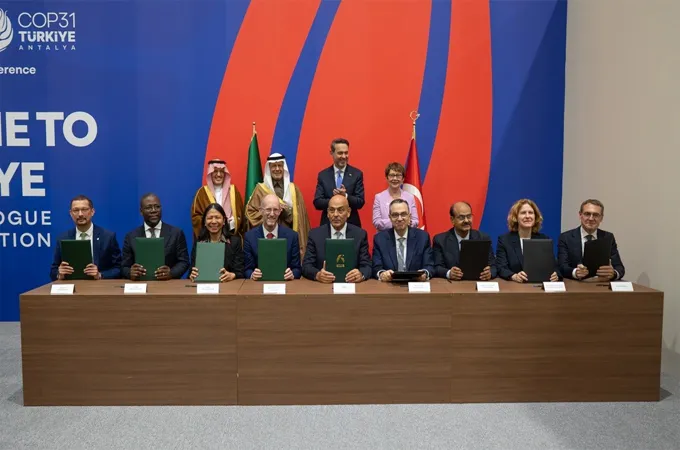
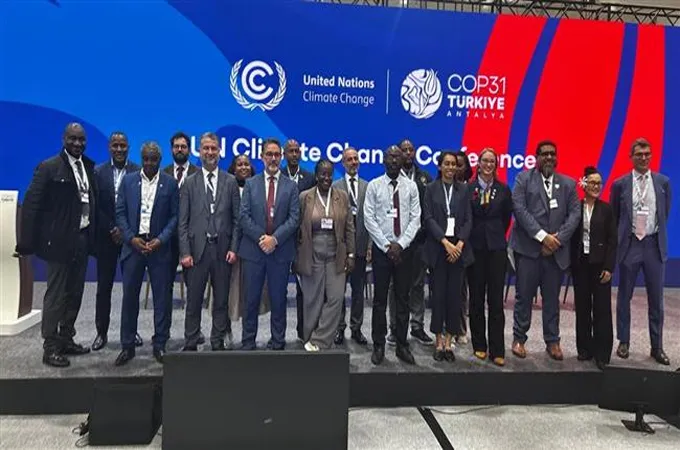
The 30GW commitment
was officially announced at the COP31 SIDS Ministerial Dialogue, attended by
island nations' ministers, representatives of the COP31 Presidency and the
President of Negotiations.
The meeting was
co-organised by IRENA, the Caribbean Centre for Renewable Energy and Energy
Efficiency, and the Pacific Community. -OGN/TradeArabia News Service