Iranian negotiators held fresh talks with Qatari mediators in Doha on Saturday as regional diplomatic efforts intensified to prevent a resumption of hostilities between the United States and Iran following this week's US midterm elections.
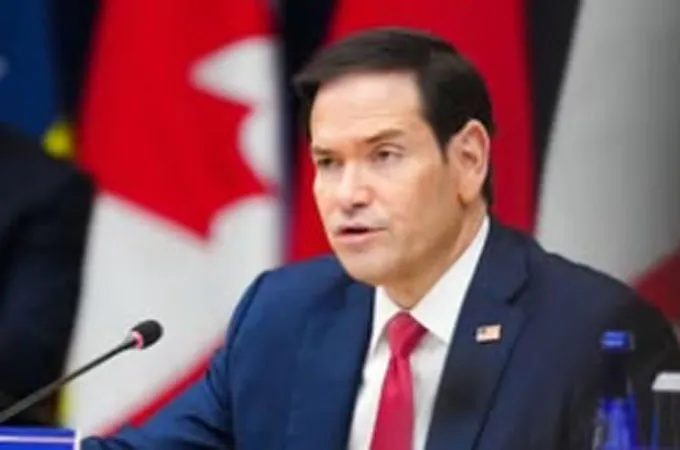
US Secretary of State Marco Rubio said President Donald Trump had not decided whether to launch further military strikes against Iran, stressing that Washington would prefer a diplomatic settlement even as it retained the option of military action, said a Reuters report.
"There are multiple talks. Talks have actually never stopped," Rubio told reporters in Atlanta, where he was hosting foreign ministers from the G20 major economies.
Trump would "prefer to solve it diplomatically", Rubio said, adding that the US president was confident of Washington's ability to act militarily if necessary.
The latest discussions in Doha followed more than 12 hours of talks between Iranian and Qatari envoys in Tehran on Friday, according to a source briefed on the negotiations who spoke to Reuters on condition of anonymity. The discussions were being coordinated through regular contacts with Washington, the source said.
Gulf concern
The diplomatic push comes amid growing concern among Gulf countries that Washington could resume attacks on Iran after Tuesday's US midterm elections, potentially triggering another round of Iranian strikes against US and Israeli interests across the region.
Qatar has been seeking to broker an interim understanding between Washington and Tehran, with the aim of rebuilding confidence and creating conditions for the resumption of broader negotiations.
According to sources cited by Reuters, Doha had proposed a seven-day confidence-building arrangement under which the two sides would take reciprocal steps before moving towards more comprehensive discussions. Tehran, however, considered the proposal insufficient.
Iran has put forward its own seven-day proposal, which includes lifting the US blockade of Iranian ports, releasing frozen Iranian assets and agreeing to an Iranian-backed arrangement for passage through the Strait of Hormuz. US President Trump has so far rejected that proposal.
MILITARY WARNINGS
The diplomatic activity has been accompanied by increasingly firm warnings from Tehran. Iran's Supreme Leader Ayatollah Mojtaba Khamenei on Saturday ordered the armed forces to maintain a high level of readiness and respond immediately to any new attack.
"Any level or type of threat must be met with an immediate, impactful, and geographically unrestricted response," he said in a statement posted on his official Telegram account.
Khamenei said there could be no negotiations on Iran's nuclear programme unless Washington accepted Tehran's demands.