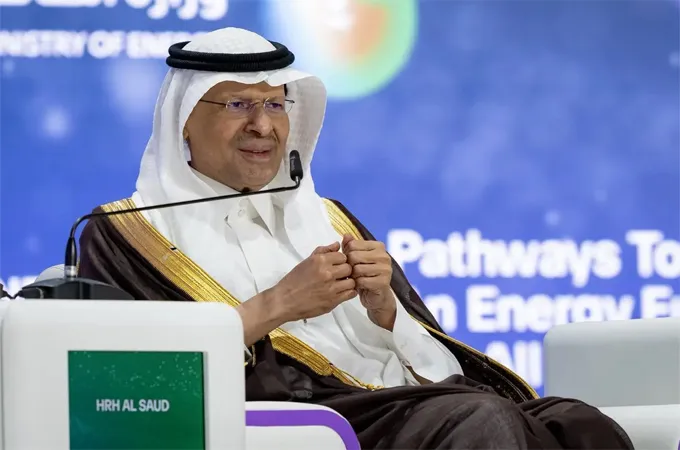
Saudi Arabia is considering plans to increase the capacity of its strategic East-West Pipeline to around 10 million barrels per day in the coming years, as the Kingdom seeks to strengthen global energy supply security and mitigate disruptions to oil markets.
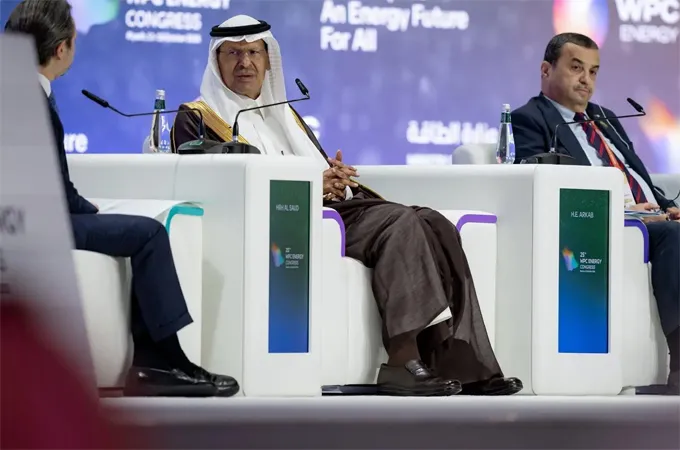
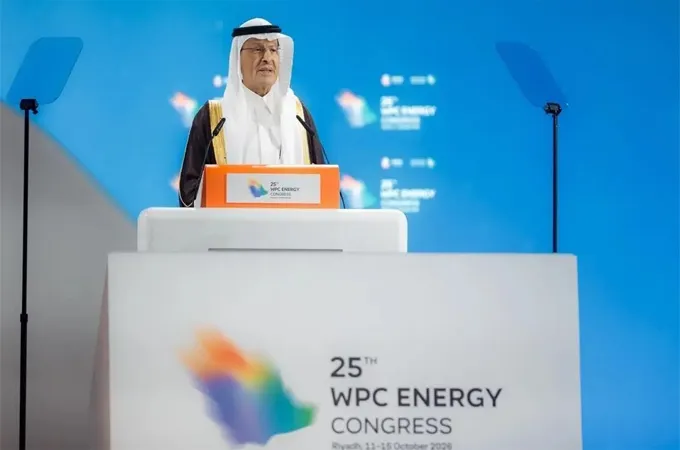
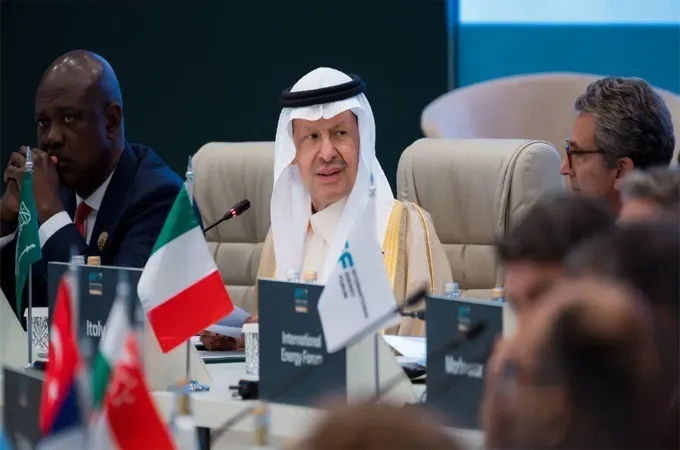
Minister of Energy Prince Abdulaziz bin Salman bin Abdulaziz
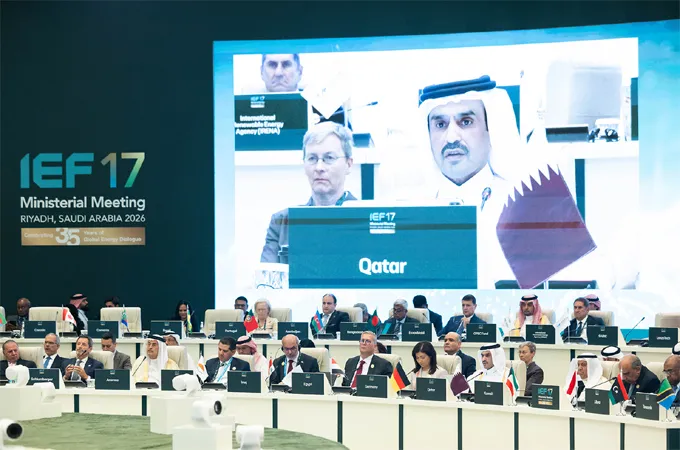
outlined the potential expansion during a ministerial dialogue titled
“Perspectives on Global Oil and Gas Markets” at the 25th WPC Energy Congress in
Riyadh.
The proposed upgrades would include enhancements to pumping
stations, transmission pipelines and the Kingdom’s gas system, supporting the
expansion of critical energy infrastructure.
Prince Abdulaziz highlighted the pipeline’s strategic role
in maintaining the flow of oil during supply disruptions and supporting
stability in global energy markets.
He traced its origins to the early 1980s, when the late King
Fahd bin Abdulaziz Al Saud directed the development of alternative oil export
routes to diversify Saudi Arabia’s export infrastructure.
During the 1990s, further directives were issued to raise
the pipeline’s capacity to five million barrels per day.
The minister said the East-West Pipeline and other strategic
assets, including the Master Gas System and its expansions, were developed with
government funding and support.
The state initially financed the infrastructure, which
subsequently contributed to strengthening the value of the Kingdom’s national
assets.
Prince Abdulaziz said continued investment in these
facilities would reinforce Saudi Arabia’s position as a key contributor to
global energy security, particularly during periods of market volatility and
supply disruption.
The proposed capacity increase comes as energy markets face
growing demand and uncertainty, highlighting the importance of maintaining
reliable transportation infrastructure and alternative export routes.
OPEC Secretary General Haitham Al Ghais also underscored the
importance of the East-West Pipeline, describing it as a safeguard for global
energy security amid market volatility and rising energy consumption driven by
urbanisation and advances in artificial intelligence.
Al Ghais warned that insufficient investment in the global
oil and gas industries could pose challenges to meeting future demand.
OPEC estimates that the two sectors will require
approximately $18 trillion in investment through 2050.
Saudi Arabia’s potential pipeline expansion forms part of the broader challenge of ensuring adequate energy infrastructure to support supply reliability and market stability as global consumption patterns evolve. -OGN/TradeArabia News Service