Saudi Arabia, Türkiye and Pakistan are moving to deepen military coordination as Houthi attacks on the kingdom intensify, with the three countries preparing an urgent meeting of their chiefs of staff under a newly signed joint defence pact.
The move came as Saudi air defences intercepted six ballistic missiles launched by Yemen's Iran-aligned Houthi movement towards the kingdom, including attacks directed at the strategically important Red Sea city of Yanbu and Taif. Saudi authorities also issued emergency alerts covering Mecca, Jeddah, Yanbu, Tabuk and Taif before declaring that the immediate danger had passed.
The planned military meeting was announced after Saudi Foreign Minister Prince Faisal bin Farhan Al Saud met Pakistan's Deputy Prime Minister and Foreign Minister Ishaq Dar and Turkish Foreign Minister Hakan Fidan in New York on Thursday. The discussions were held within the framework of the Makkah Joint Defence Agreement, according to the Saudi Press Agency.
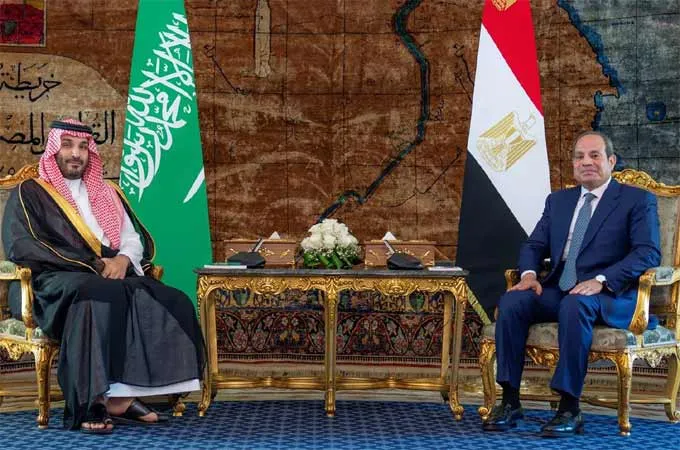
The agreement, signed on August 7 by Saudi Crown Prince and Prime Minister Mohammed bin Salman, Turkish President Recep Tayyip Erdoğan and Pakistani Prime Minister Shehbaz Sharif, stipulates that an armed attack against any one of the three countries will be regarded as an attack against all three. It also calls for enhanced defence cooperation and collective deterrence.
The agreement is now facing its first major test as the conflict in Yemen spills directly into Saudi territory.
Houthi attacks raise pressure on Riyadh
Saudi coalition spokesman Major General Turki Al-Malki said coalition forces had intercepted and destroyed six ballistic missiles fired by the Houthis, while air defences also thwarted attempts to target Taif and Yanbu.
The Houthis, meanwhile, said they had launched dozens of missiles and drones at Saudi targets, including what they described as a sensitive target in Riyadh and facilities linked to Saudi oil giant Aramco in Yanbu. Those claims could not immediately be independently verified. Reuters also reported that a Greek-operated Patriot air-defence system in the wider Yanbu area intercepted a ballistic missile and a drone.
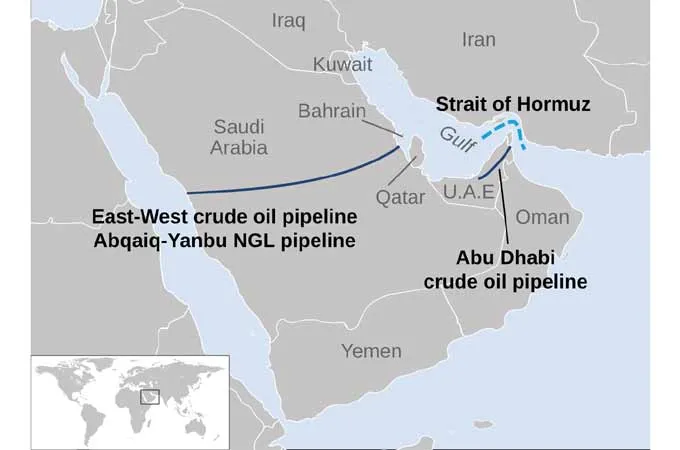
The significance of Yanbu extends beyond its role as a major Red Sea port. The city is home to important Saudi refining and oil-export infrastructure and provides the kingdom with an alternative outlet when shipments through the Strait of Hormuz are disrupted.
The escalation is also occurring alongside a major Houthi military advance inside Yemen. Houthi forces have made substantial gains along the country's Red Sea coast and have reached areas around the strategically important Bab el-Mandeb waterway, adding another layer of concern for Saudi Arabia and international shipping.
Saudi Arabia has backed Yemen's internationally recognised government, while the Houthis have fought for control of large parts of the country. The renewed fighting threatens to turn what had been a relatively contained Yemen conflict into another front in the wider regional war.
Meanwhile, Saudi Arabia's top religious authority called on soldiers in the kingdom to be ready to lay down their lives to fight Houthis until the group is ousted from power, a statement posted on the Saudi state news agency said.
"Protecting this great nation... and punishing anyone who seeks to lay a hand on even an inch of its territory are among the greatest duties and most virtuous acts of devotion, for which lives and souls may be sacrificed in seeking God's pleasure," said the statement, said.
Iran seeks diplomatic opening over Hormuz
Against this backdrop, Tehran has signalled that it is prepared to reopen the Strait of Hormuz and resume negotiations with Washington, but only if the United States meets conditions set out by Iran.
Iranian Foreign Minister Abbas Araghchi said Tehran had presented Washington, through mediators, with a proposal under which the US would have seven days to meet certain conditions before Iran reopened the waterway and negotiations resumed towards what Tehran described as a "final deal".
Araghchi did not publicly detail the conditions, saying they amounted to provisions contained in an earlier Islamabad Memorandum of Understanding. That understanding included sanctions relief, the release of frozen Iranian assets and a halt to military operations, including operations in Lebanon.
A White House official told CNN that the US was engaged in "positive and constructive discussions through the mediators", suggesting that diplomatic channels remain open despite the continuing military confrontation.
The proposal is significant because Hormuz remains central to the region's energy and shipping crisis. Iran's restrictions on the waterway have disrupted one of the world's most important oil and gas transit routes, while Gulf producers have sought alternative export routes.
Saudi Arabia, in particular, has been seeking to restore the operation of its East-West pipeline to Yanbu, allowing crude to bypass Hormuz. The pipeline provides the kingdom with an alternative route for exports but has itself come under attack during the current conflict.
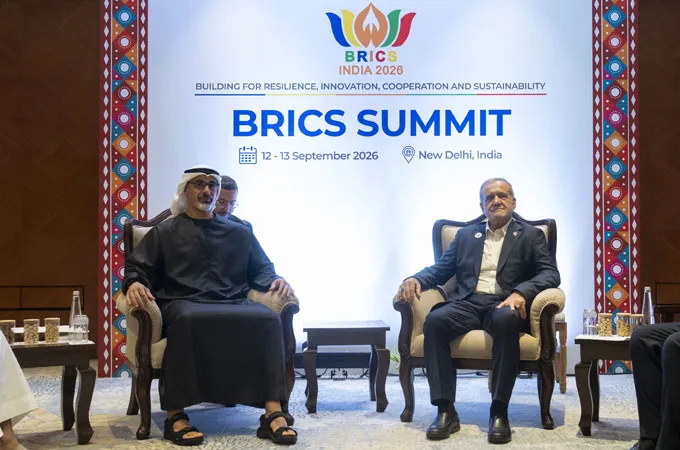
Iranian President Masoud Pezeshkian has adopted a more conciliatory tone in several recent statements, saying Tehran wants to restore the June understanding with Washington and suggesting that the next step towards ending the conflict lies with the United States.
At the same time, Iranian officials have continued to warn that the conflict could expand if Washington resumes attacks.
The differing messages highlight the difficult position facing Tehran as it seeks relief from the economic and military pressure of the war while maintaining leverage over Washington.