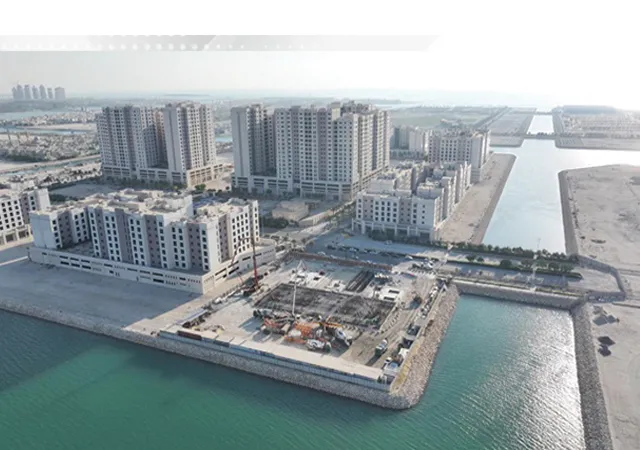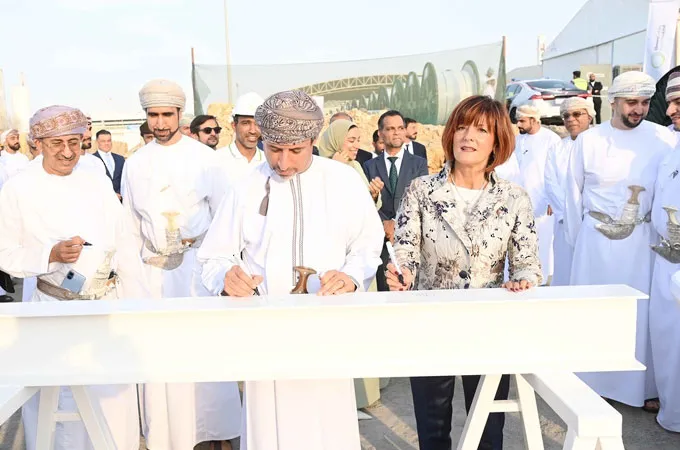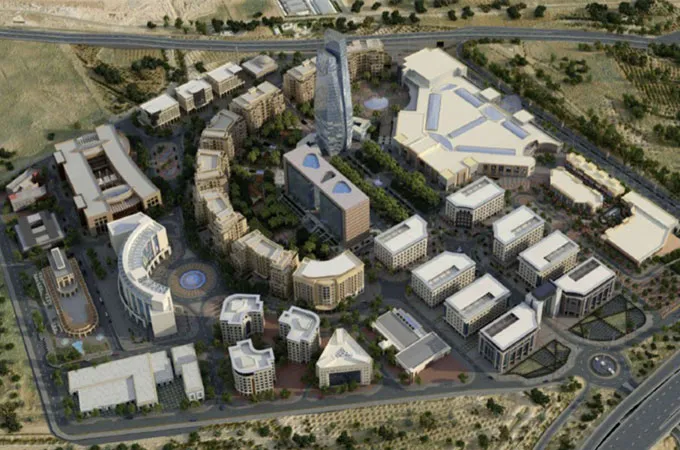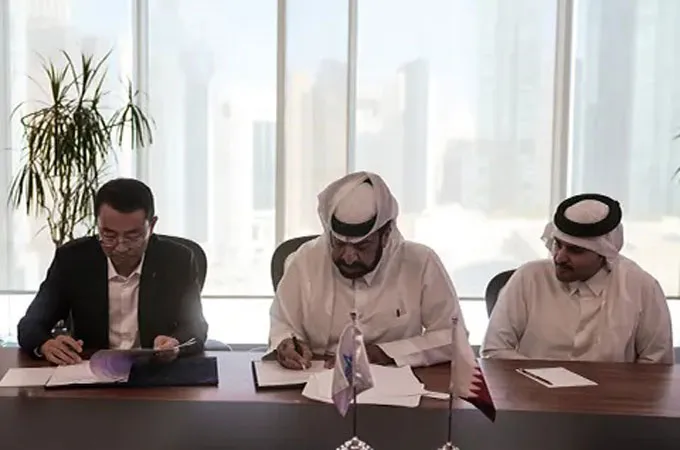
Qatar is expected to award about $38.5 billion in new infrastructure projects over the next five years, including public-private partnerships, with the country setting up a dedicated platform to manage and grow its wealth fund’s domestic portfolio worth hundreds of billions of dollars.
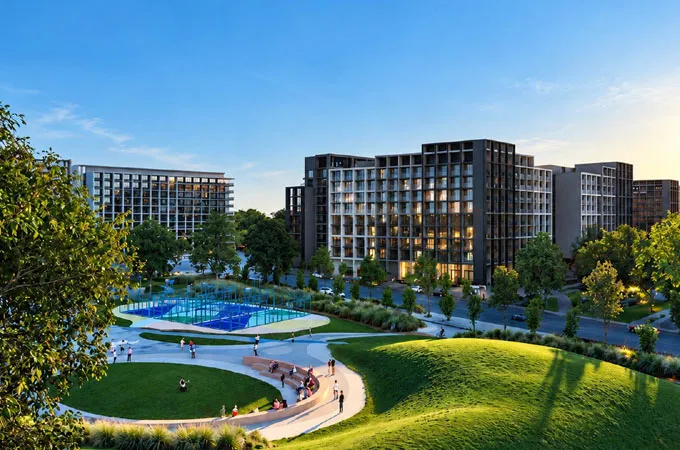
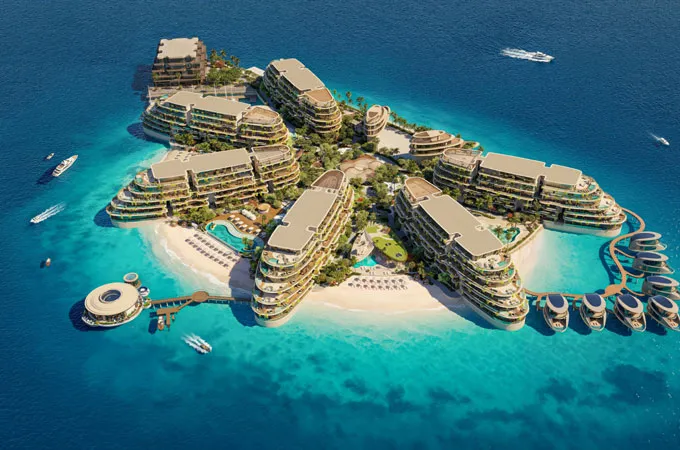
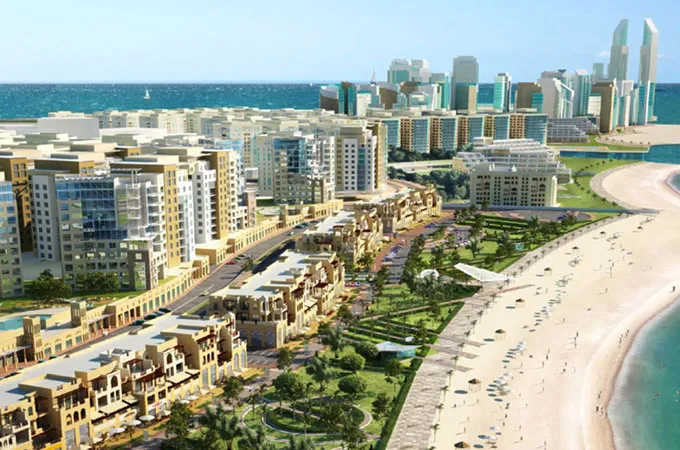
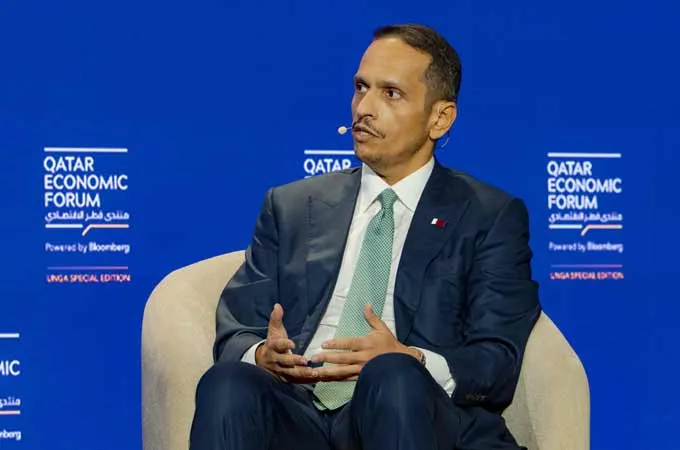
A separate real-estate and hospitality pipeline is expected to attract $22.5 billion in private investment, Prime Minister Sheikh Mohammed bin Abdulrahman Al Thani said at the Qatar Economic Forum in New York Sunday, according to a Bloomberg report.
The investment platform, Doha Investment, will seek to accelerate long-term value creation and boost private-sector participation in the Gulf nation’s economy, he said.
“It will support our strongest companies, help emerging businesses grow, deepen capital markets and attract international capital and expertise to contribute to this effort,” the premier said.
The plans, first reported by Bloomberg News in January, were set in motion before the regional war began. In addition to helping prioritize local development in key areas, the move would enable the $580 billion Qatar Investment Authority better manage its global investments, people familiar with the matter said at the time.
The creation of the new entity adds momentum to a regional infrastructure push, with Saudi Arabia accelerating investment in Red Sea ports and the United Arab Emirates pursuing a multibillion-dollar “Zero Hormuz” strategy to develop routes that bypass the crucial waterway.
The push to double down on local development comes as the Middle East confronts the economic fallout from the US-Iran war, which Sheikh Mohammed described as an “earthquake” whose shockwaves had reached far beyond the region.
“Lasting security cannot be built through repeated cycles of escalation and retaliation,” he said, calling for a framework in which sovereignty is respected and no country poses a threat to another.
One of the world’s largest and most consequential investors, the QIA has continued to deploy capital overseas amid the war.
Locally, it holds stakes in firms that touch every corner of the local economy, from the biggest banks and developers to utilities and telecommunications firms. Many of them, like the $41 billion Qatar National Bank and Ooredoo QPSC, trade in Doha.
Before the war began, the QIA had started to signal a return to the kind of big-ticket dealmaking that had transformed it into a top global investor. That was based on the expectation that an expansion in liquefied natural gas production would deliver roughly $30 billion in additional annual revenue to the state.
But Iran’s March strike on Ras Laffan put about 17% of Qatar’s export capacity out of commission, with losses estimated at $20 billion and repairs expected to take at least three years. The country has since exported some LNG cargoes, but they remain far below pre-war levels as tanker transits through the Strait of Hormuz remain risky.
“We do not underestimate the uncertainty ahead,” Sheikh Mohammed said. “But we will not allow short-term disruption to determine our long-term direction.”
Gulf states must help find a solution
Gulf states must work together to restore stability in the region and help find a settlement between the US and Iran, Qatar’s Prime Minister Sheikh Mohammed bin Abdulrahman Al-Thani has said.
“We are hoping this war is a wake-up call for everyone,” Al-Thani said at the Qatar Economic Forum in New York on Sunday. “We have to act together responsibly as a region.”
The premier said that messages are being passed between the US and Iran. His country has been one of the main mediators in the conflict, a Bloomberg report said.
Gulf leaders are aiming to meet with President Donald Trump this week on the sidelines of the United Nations General Assembly as the US pushes for a resolution to the conflict with Iran that will reopen the Strait of Hormuz for energy exports.
In an interview with Bloomberg’s Mishal Husain, Al-Thani said that Gulf countries need to “step up responsibly to stop their saboteurs, stop their troublemakers.” He said that ending the conflict between the US and Iran will require more peacemakers.
Trump told Fox News Sunday that he would probably be open to meeting with Iranian President Masoud Pezeshkian who is expected to visit New York this week for the UN meeting.
Qatar’s Foreign Ministry spokesperson Majed Al-Ansari, meanwhile, said mediators are shuttling between capitals and exchanging proposals in an effort to restart negotiations between the US and Iran, with teams working around the clock to bridge remaining differences.
Joining Bloomberg This Weekend, Al-Ansari said Qatar’s priorities are ending the conflict and restoring freedom of navigation through the Strait of Hormuz, warning that restrictions on international waterways could set a dangerous precedent.