Central banks in the UAE, Saudi Arabia and Bahrain raised their key interest rates by 25 basis points on Wednesday, following the US Federal Reserve's decision to increase its benchmark rate for the first time since 2023 amid renewed inflationary pressures.
The moves underscore the close monetary policy links between the Gulf and the US, with most GCC currencies pegged to the dollar.
The UAE dirham and Saudi riyal are both fixed to the US currency, while the Bahraini dinar is also dollar-pegged, limiting the scope for the three central banks to diverge significantly from US interest-rate policy.
The Central Bank of the UAE (CBUAE) raised its Base Rate applicable to the Overnight Deposit Facility by 25 basis points, from 3.65% to 3.90%, effective September 17. It also maintained the rate for borrowing short-term liquidity from the central bank at 50 basis points above the Base Rate.
The CBUAE said the Base Rate is anchored to the Federal Reserve's Interest Rate on Reserve Balances and serves as an effective floor for overnight money-market rates in the UAE.
In Saudi Arabia, the Saudi Central Bank (SAMA) raised its repo rate by 25 basis points to 4.50%, while increasing its reverse repo rate by the same amount to 4.00%. SAMA said the decision was in line with its mandate to preserve monetary stability.
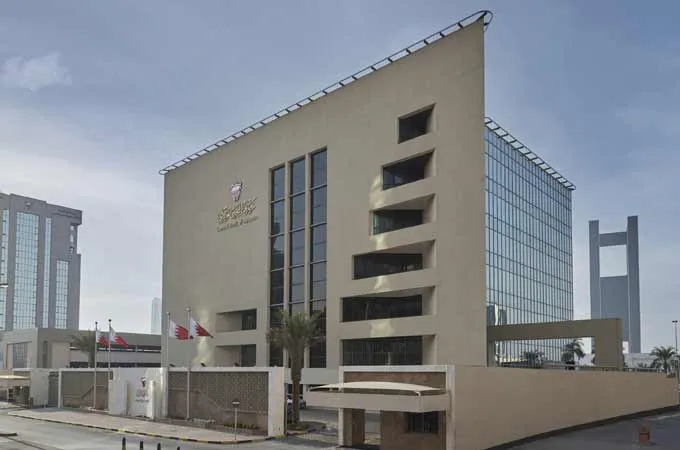
The Central Bank of Bahrain (CBB) raised its overnight deposit interest rate by 25 basis points, from 4.25% to 4.50%, effective September 17.
The CBB said the decision was part of measures to maintain monetary and financial stability in Bahrain in light of developments in global financial markets.
The rate increases followed the US Federal Reserve's decision to lift its benchmark federal funds rate by 25 basis points to a range of 3.75% to 4.00%. It was the first US rate increase since July 2023. The Fed also indicated that policymakers expect at least one further increase before the end of the year.
The US central bank's move came as inflation remains above its 2% target, with rising energy prices adding to concerns about persistent price pressures. The Fed has also pointed to resilient domestic spending, strong productivity growth and robust capital investment as factors supporting the US economy.
For the Gulf, the rate decision comes at a particularly sensitive time as the region faces heightened geopolitical risks and elevated oil prices.
Higher US rates generally translate into tighter financial conditions across the dollar-pegged Gulf economies. They can raise borrowing costs for households and companies, while also supporting the dollar and helping maintain the currency pegs.
At the same time, the Gulf's major oil exporters are benefiting from significantly higher crude prices as the US-Iran conflict and attacks on regional energy infrastructure threaten supplies.