Abu Dhabi-based clean energy technology company Kinetic7 Technologies has highlighted hydrogen-on-demand systems as a potential solution to strengthen energy resilience as Europe and the UK face growing concerns over gas storage levels, supply security and winter energy costs.
The company said its proprietary technology produces
hydrogen gas at the point of use, reducing dependence on large-scale storage,
transportation infrastructure and imported fuels.
Kinetic7 believes the approach could support commercial,
off-grid and emergency applications by providing a flexible source of clean
energy.
Founded by Australian technology entrepreneur and
philanthropist Rick Parish, Kinetic7 has developed portable hydrogen generation
systems initially designed for humanitarian relief, disaster response and
remote communities.
Its Nomad and Tribe cooking stoves use water electrolysis to
generate hydrogen on demand and can operate using solar power, batteries or a
mains connection.
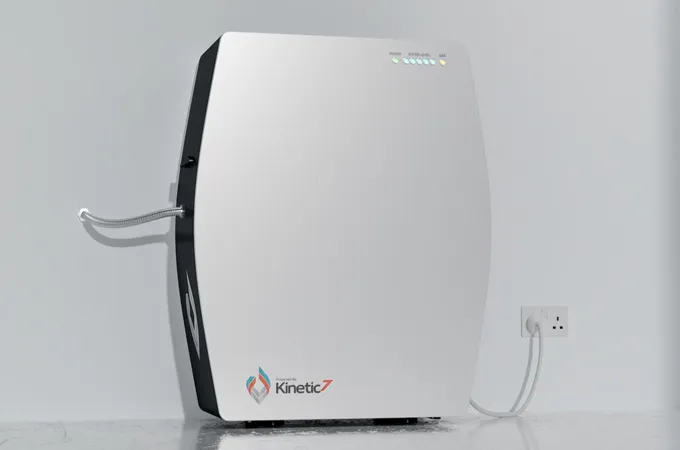
The company has expanded the technology into the commercial
market through HODBox (Hydrogen On Demand Box), a unit designed to provide
clean gas for restaurants, hotels and catering operations.
Kinetic7 is also developing a residential version aimed
initially at off-grid households that rely on alternative fuels for heating,
hot water and cooking.
The company said the residential HODBox could be connected
to solar panels or electricity supplies, enabling households to generate clean
gas while reducing reliance on stored fossil fuels and supporting carbon
reduction goals.
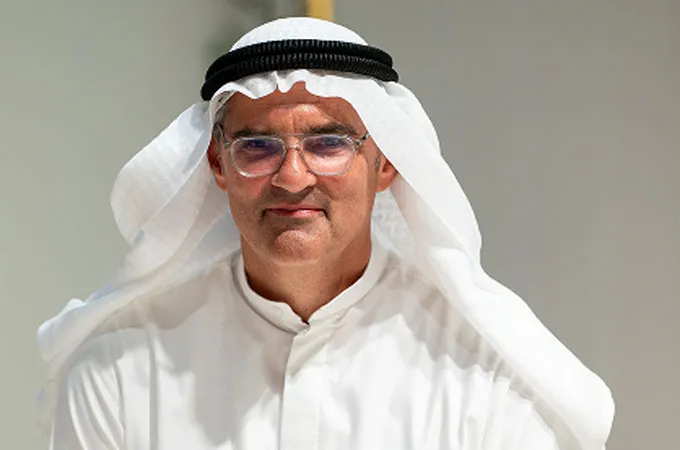
Rick Parish, founder and Chairman of Kinetic7 Technologies,
said: “Europe’s current gas challenge shows why energy resilience can no longer
depend solely on centralised infrastructure, imported fuel and large-scale
storage. Hydrogen produced at the point of use gives governments, businesses
and households another route to clean, secure and deployable energy.”
Parish said Kinetic7’s mission was influenced by
humanitarian work focused on communities affected by energy poverty and the
health impacts of traditional cooking methods.
The company’s technology was initially developed to provide
safer and cleaner cooking alternatives in areas where access to reliable energy
remains limited.
He added: “Energy security is now being shaped by multiple
pressures at once: geopolitics, conflict and uncertainty around strategic
supply routes such as the Strait of Hormuz, ageing infrastructure, limited
storage, competition for LNG, extreme weather, rising demand and the challenge
of integrating more renewable power into national grids. No single technology
can solve those pressures alone, but decentralised hydrogen-on-demand can form
part of a broader resilience strategy by creating clean gas where and when it
is needed, rather than relying entirely on long supply chains and large
centralised storage.”
Kinetic7 said decentralised hydrogen generation could complement wider energy strategies by improving flexibility, reducing vulnerability to supply disruptions and supporting the transition toward cleaner energy systems. -OGN/TradeArabia News Service