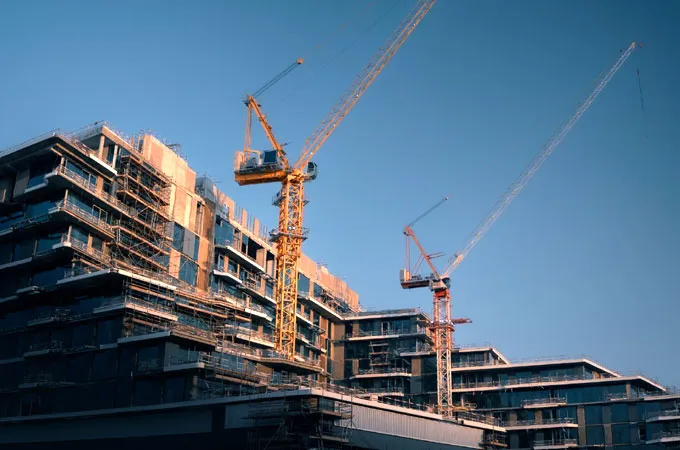
The UAE's construction sector is shifting from rapid expansion to a phase where project execution, sustainability and regulatory compliance will become increasingly important as developers seek to deliver a growing pipeline of projects, according to consultancy Access Consult.
The country's construction output is forecast to reach about $130.8 billion by 2029, supported by continued real estate, it stated.
Strong demand continued to support the market, stated the consultancy, citing a 12% year-on-year increase in Dubai building permits which rose to 10,776 in the first quarter and real estate transactions worth AED252 billion ($68.6 billion) over the same period.
The first half of 2026 has shown that the UAE construction market is no longer defined simply by growth. The industry is entering a more mature phase where the ability to deliver projects efficiently, sustainably and at scale is becoming just as important as launching them, said a top official.
“The developers in the second half of 2026 would face growing pressure to deliver projects efficiently amid rising construction activity, making planning, execution and long-term asset performance key differentiators,” noted Access Consult CEO Mohamed Salah Seguen.
Developers would need to place greater emphasis on procurement planning, supply chain resilience and realistic project timelines as multiple large-scale developments move forward simultaneously, he added.
Drawing on patterns observed during H1, Seguen outlined key lessons that would define construction activity during the second half of the year. These are:
High project activity is raising the bar for execution
The UAE’s construction pipeline remains highly active, supported by strong real estate demand, population growth and continued investor interest.
In Dubai, official first-quarter data showed 10,776 building permits issued, a 12% increase compared with Q1 2025. At the same time, Dubai’s real estate transactions reached AED 252 billion in Q1 2026, reflecting deep investor confidence across the market.
The challenge for the second half will be delivery capacity. As more projects move forward at the same time, pressure increases on consultants and contractors. A strong pipeline only creates value when the market has the technical and operational capacity to deliver it. This means developers will need to place greater importance on early planning, realistic timelines and clear project structures.
Projects that begin with coordinated teams and well-defined scopes will be better positioned to progress efficiently. Resilience is becoming part of smart project planning
H1 2026 has reinforced the importance of resilience in construction planning. In a fast-moving and globally connected market, resilience means ensuring that projects can continue progressing smoothly even when external conditions shift. For developers, this means looking more closely at procurement planning, supplier coordination and construction sequencing, said the expert.
It also means identifying materials or systems that may require longer lead times and planning around them earlier in the project cycle. In H2, resilient delivery planning will become a practical advantage. Developers that think ahead will be better prepared to keep projects on track while protecting quality and long-term value.
Quality and safety central to market confidence
As Dubai’s built environment continues to expand, quality must be embedded from the earliest stages of design and approvals through to construction, handover and long-term operation. For H2, this means clearer oversight and more disciplined technical review will become essential. Digital tools will play an important role in supporting this shift. As projects become more complex, technologies such as BIM, AI-assisted project monitoring and digital twins can help consultants and developers improve visibility across project cycles. These tools allow teams to track progress more accurately, identify issues earlier and maintain a clearer record of building performance over time.